Russia plays chess. NATO plays poker, with open cards, trembling hands, darting eyes, and ever-rising stakes. That difference in games explains almost everything.
Chess is positional. You think ahead, accept that some moves earn no applause, and understand that time can be more valuable than action. Poker is about applying pressure, bluffing, forcing tempo, and hoping the other player blinks first. That works as long as no one notices your hand is weak. And that is precisely where NATO’s problem begins.
NATO keeps raising the stakes without holding the cards to justify it.
More weapons.
More money.
More rhetoric about red lines, historic moments, and existential threats.
Not because the strategy improves, but because folding equals losing. Logical in poker. In geopolitics, foolish and dangerous. For a chess player, it is mostly amusing.
Russia does the opposite. It expands its position not through aggression, but through patience. By not responding where a response is expected. By allowing the West to escalate its pressure. By understanding that an opponent who constantly needs to prove resolve eventually loses room to manoeuvre.
NATO calls this deterrence. In reality, it increasingly resembles bluffing for its own audience. Every raise must be more credible than the last, because once it becomes clear that escalation is no longer an option, the entire narrative collapses. So the game continues, with bad cards, because stopping would shatter reputations, careers, and financial flows.
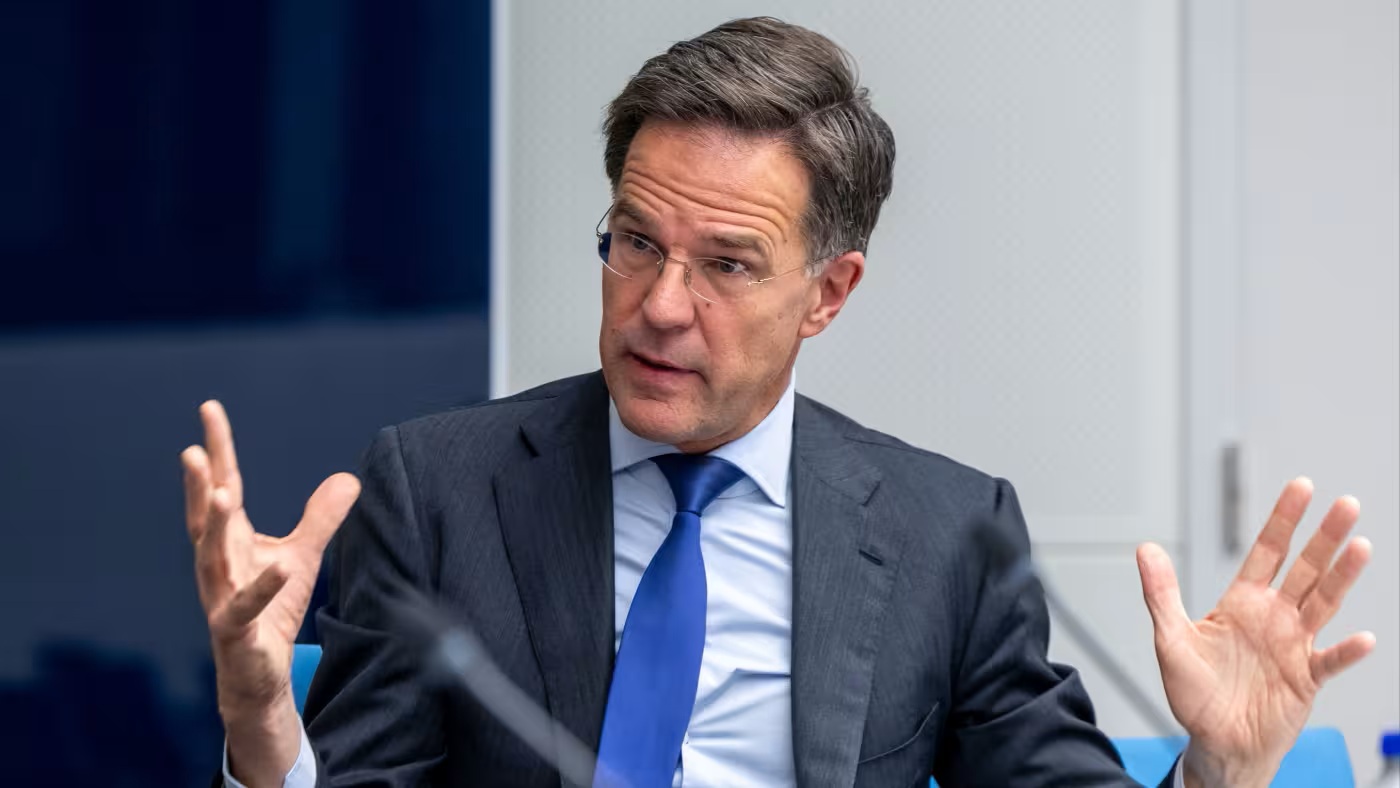
Mark Rutte acts as the master of ceremonies of this poker game. Always manically convincing, always laughing, always explaining that this raise was unavoidable and the next one will be even more convincing. That the chips belong to citizens and the table is international remains conveniently out of sight.
Meanwhile, the West pays the stakes. Economically, politically, and socially. Polarisation grows. Trust erodes. Democratic exceptions pile up. But at the table, this is called focus, unity, and determination. Anyone who asks which hand is actually being played ruins the mood.
Russia does not need to bluff. It plays chess. It examines structure, exhaustion, and the errors that arise when pressure matters more than thinking. It knows that a poker player who goes all-in too often eventually exposes himself.
And therein lies the irony.
NATO holds no real cards, only unreliable allies with conditions, yet plays a game where fictional resources are meant to impress. Russia needs less, because it plays a different game, one in which framing and superlatives do not count.
Those who play chess win by denying the opponent good moves.
Those who bluff lose the moment no one believes they can still fold.
That moment is approaching fast.
Not because of Russian brilliance, but because of Western lack of strategic insight and incompetence.