The ISIS-claimed attack on U.S. forces near Palmyra on December 13 was not an isolated act of insurgent violence. It triggered one of the most extensive American military responses in Syria in recent years, Operation “Hawkeye”, and a window into a deeper, more consequential reality: the convergence of counterterrorism, regional re-engineering, and Washington’s controversial support for Syria’s current leadership.
By Rafic Taleb
On December 13, a delegation from the U.S.-led International Coalition was targeted during a visit to a security site near Palmyra (Tadmur). The attack injured American soldiers and Syrian security personnel and prompted emergency evacuations by U.S. helicopters to the al-Tanf base.
ISIS immediately claimed responsibility, and U.S. Central Command initially framed the incident as an ISIS ambush. Syrian authorities later acknowledged that the perpetrator was an internal security element in the Badia region holding extremist views, with multiple accounts indicating that the attack originated from inside the secured facility itself.
This contradiction matters. It illustrates a defining feature of today’s Syrian conflict: ISIS is no longer merely an external actor striking from the desert, but a beneficiary of institutional fragility, ideological seepage, and compromised security structures.
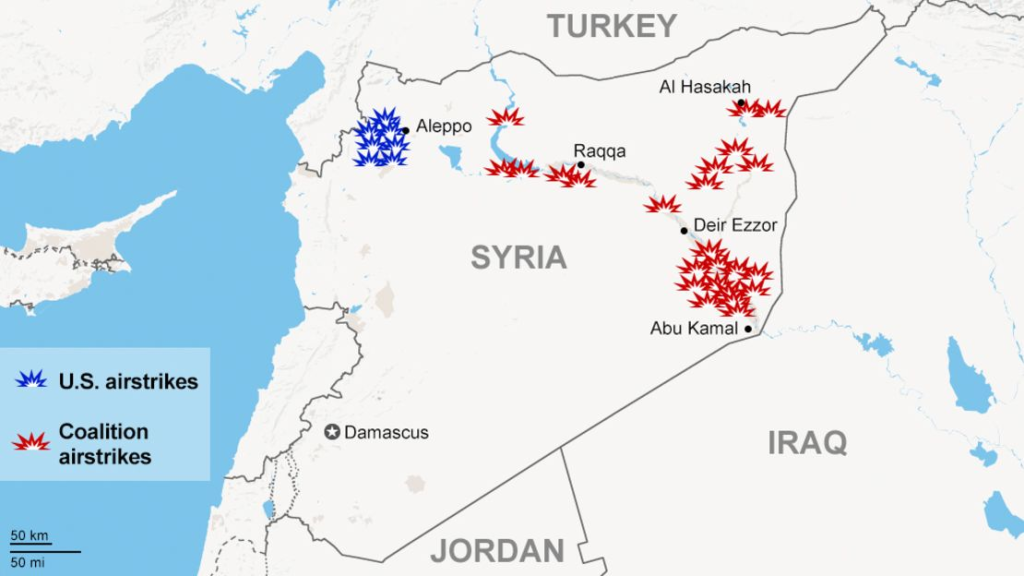
Operation “Hawkeye”: Retaliation and Deterrence
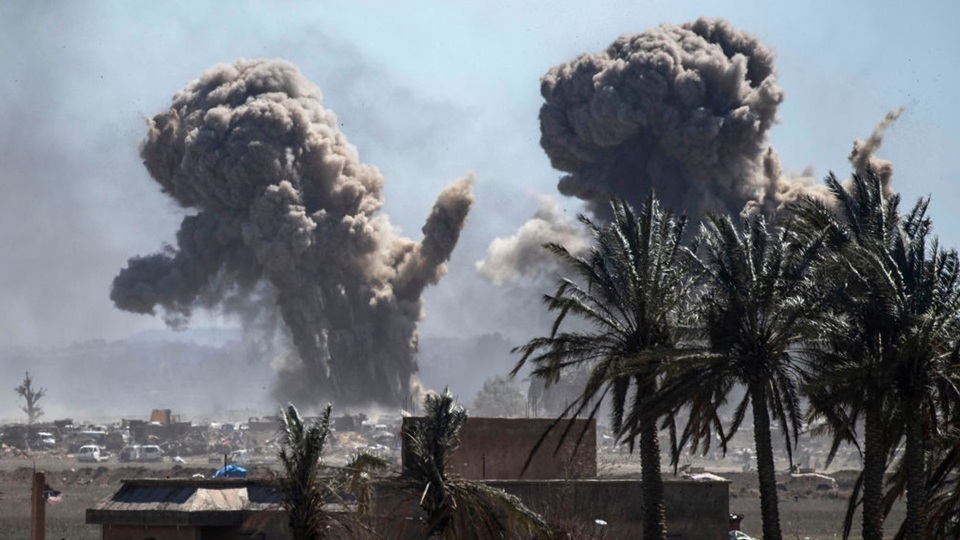
In response, Washington launched Operation “Hawkeye” (Ayn al-Saqr), framing it as both retaliation and a preventive campaign to deny ISIS any chance of recovery.
The operation included:
The International Coalition later announced the killing of Abu Hamza al-Athari, a senior ISIS commander identified as responsible for planning the Palmyra attack. U.S. President Donald Trump described the campaign as fulfilment of Washington’s promise to respond decisively to the killing and wounding of American soldiers.
A Wider ISIS Footprint
At the same time, developments elsewhere highlighted ISIS’s adaptive capacity. Local sources reported an expansion of ISIS activity in rural Idlib and Hama, including the seizure of checkpoints near Abu al-Zuhur and Khan Shaykhun and the disruption of the Aleppo–Idlib road. Reports—still unverified—also suggested defections of individual fighters from Hay’at Tahrir al-Sham (HTS) to ISIS.
Meanwhile, Iraqi Counter-Terrorism forces, coordinating with the International Coalition and the Syrian Democratic Forces (SDF), carried out cross-border operations inside Syria, arresting individuals wanted by Baghdad. The SDF itself intensified raids, including a commando operation near the Tishrin Dam, reinforcing its role as Washington’s primary local counterterrorism partner.
The Strategic Logic Behind Trump’s Support
Beyond the battlefield, the U.S. response to the Palmyra attack must be understood within a broader political framework—one that explains why President Trump has continued to support Syria’s current leadership despite widespread controversy.
According to political figures close to the ruling circles in Damascus, Washington’s backing is driven by several strategic objectives:
This strategic bargain carries profound implications. Under the current Syrian leadership, Trump formalised—through an executive administrative decision—the recognition of the Golan Heights as Israeli territory.
Upgrading what had previously been a political declaration into a binding administrative act. Syrian authorities offered no legal objection, political protest, or mobilisation of public opinion—marking a sharp departure from decades of official Syrian policy.
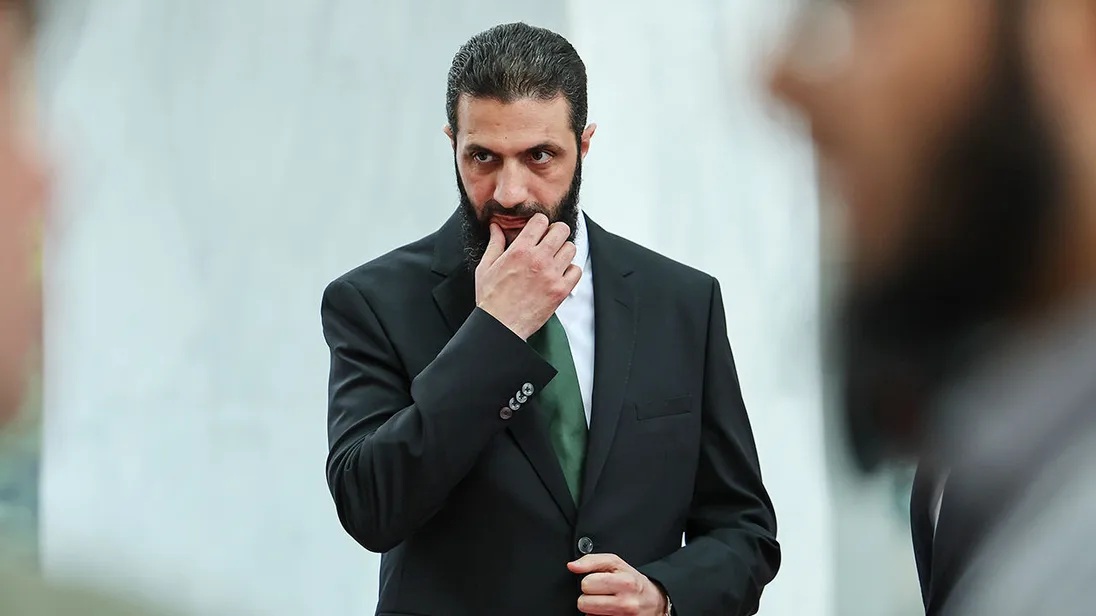
According to informed accounts, Trump privately urged Israeli leaders not to cancel planned military moves in Syria but merely to delay them until broader U.S. objectives were achieved. In parallel, U.S. envoy Thomas Barrack reportedly pressed Israel not to assassinate Syria’s current leader, Al-Sharaà, until Washington’s mission was completed.
The December 13 attack and Operation Hawkeye reveal a Syria caught between counterterrorism urgency and geopolitical engineering. ISIS remains dangerous not because it is strong, but because the state around it is fractured.
U.S. firepower can eliminate commanders and disrupt networks, but it is also being used to reshape Syria’s political future—often quietly, and often at high cost.
What emerges is a stark reality: the fight against ISIS is no longer only about security. It has become a tool for redefining borders, burying revolutions, neutralising ideologies, and enforcing a new regional order.
Operation Hawkeye may weaken ISIS tactically, but it also illuminates the deeper bargain being struck over Syria’s future; one whose consequences will long outlast the smoke of airstrikes.