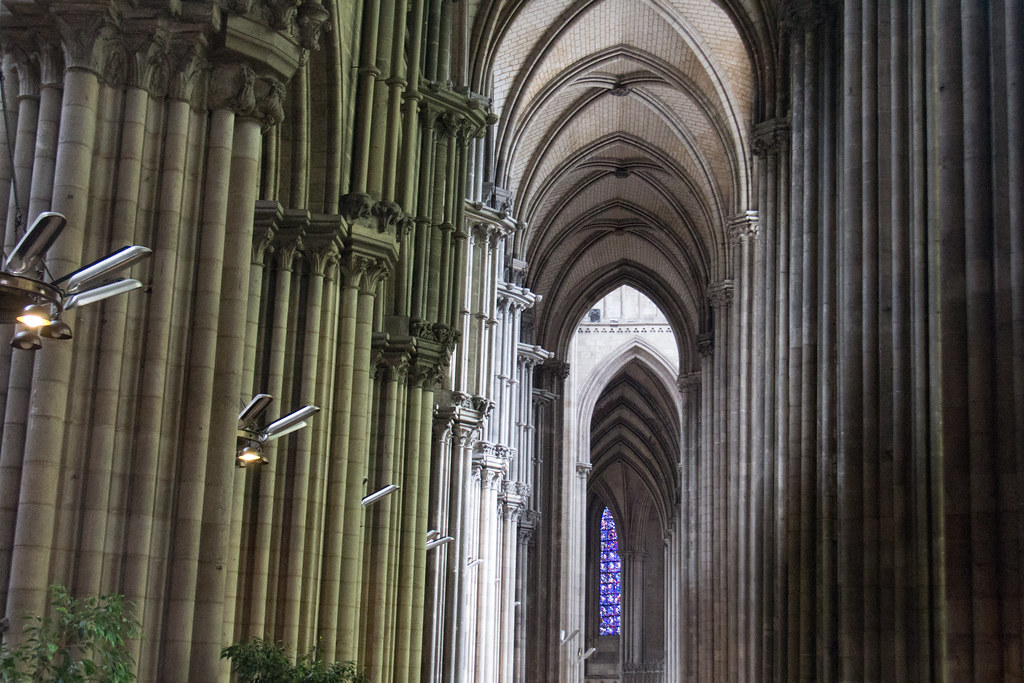
The liberal imagination today resembles a magnificent temple whose vaulted ceilings still inspire awe even as fractures spread across its foundation. Liberalism offered a political architecture that honoured dignity, safeguarded autonomy, and nourished human creativity. For decades, it served as a grammar through which plural societies could manage coexistence without falling into tribal violence or authoritarian uniformity.
Its achievements were undeniably real. Yet the contemporary Western condition reveals liberalism approaching a limit, not because its intellectual origins were shallow, but because it has failed to maintain the cultural and moral scaffolding required for a flourishing liberal order. For anyone genuinely committed to liberal ideals, such as me, this is an unsettling realisation.
The landscape of liberal crisis
Today’s liberal democracies overflow with information yet lack wisdom. They proclaim equality while reproducing exclusion. They profess pluralism even as communities fracture under the strain of distrust and isolation. Rights remain robust in principle, yet in practice often drift within a moral vacuum that leaves individuals vulnerable to manipulation. In such a context, liberalism’s vocabulary risks becoming procedural and hollow, repeated as a ritual rather than embodied as conviction.
The roots of this crisis run deep. One lies in the collapse of shared meaning: digital platforms privatise attention, fragmenting citizens into isolated clusters of customised content rather than participants in an everyday world.
Another lies in the commodification of identity, where identity becomes transactional currency in politics and culture rather than a narrative unfolding in relationship with others.
A third root is institutional hollowness. Public bodies often prioritise reputation management over truth, treating transparency as a threat rather than a virtue. Liberalism emerged in a world where meaning flowed through interpersonal relationships, where institutions trusted in their integrity, and where scrutiny strengthened, rather than destabilised, the public sphere. It wasn’t crafted for an era governed by algorithmic incentives.
Introducing humanecy: A restoration of moral interior life
Within this complexity, humanecy, or humanetie in Dutch, emerges as a restoration project aimed at the moral interiority on which democratic societies depend. Humanecy asks what practices and structures are necessary to protect human dignity from manipulation and erasure.
It begins by acknowledging that human beings are narrative creatures in search of meaning rather than purely rational actors pursuing advantage. Political freedom is impoverished unless individuals possess the inner resources to shape their lives and contribute to a shared world. Humanecy therefore elevates dignity over expedience, depth over productivity, and truth over appearance.
The demand for new stewardship in modern society
Humanecy is the result of a lived confrontation with institutional fragility and the harm that ensues when societies choose silence over accountability. It emerges from embodied knowledge of violation and the long work of repair. Neither are vengeful nor sentimental, but constructive and principled.
In this framework, institutions must earn legitimacy not through polished image-making but through transparency, acknowledgement of wrongdoing, and restorative practices that honour both truth and healing. These aren’t embellishments to democracy. They are its foundation. Humanecy revives virtues once central to liberalism, such as character, discernment, and responsibility, now neglected in an era of rapid acceleration, economic atomization, and identity-based fragmentation.
Negotiating narratives with dignity
Meaning must be protected through cultural commons that preserve narrative life from ideological and commercial capture. Such commons don’t dictate stories; they ensure citizens can tell them freely. They encompass public archives, artistic residencies, truth-telling spaces, and transparent practices of memory through which individuals reclaim authorship of their histories.
In such environments, communities can negotiate meaning with dignity rather than through coercion, a safeguard that liberalism has insufficiently protected. Belonging takes shape through civic rituals that embrace interdependence rather than glorify isolation. Public testimonies, restorative circles, ceremonies of responsibility, and collective acknowledgement of harm cultivate recognition and connectedness.
Opting out by free will, not giving up
Trust can only be rebuilt through institutions that adopt transparency as a default orientation and accountability as a cultural habit, not a crisis-response mechanism. Humanecy rejects performative ethics and promotes participatory structures, ethical audits, and safeguards against capture by factions, corporations, or hidden networks.
In this view, transparency is a moral practice sustaining legitimacy. Without trust, democratic life becomes theatre. These proposals are not utopian; they are pragmatic responses to societies increasingly vulnerable to manipulation, extremism, and structural failure.
Liberalism alone cannot meet the demands of modern society. It was never designed for the complexities of our current technological and social landscapes. Humanecy doesn’t aim to displace liberalism but to strengthen it by returning to the human foundations upon which any democratic structure ultimately depends.
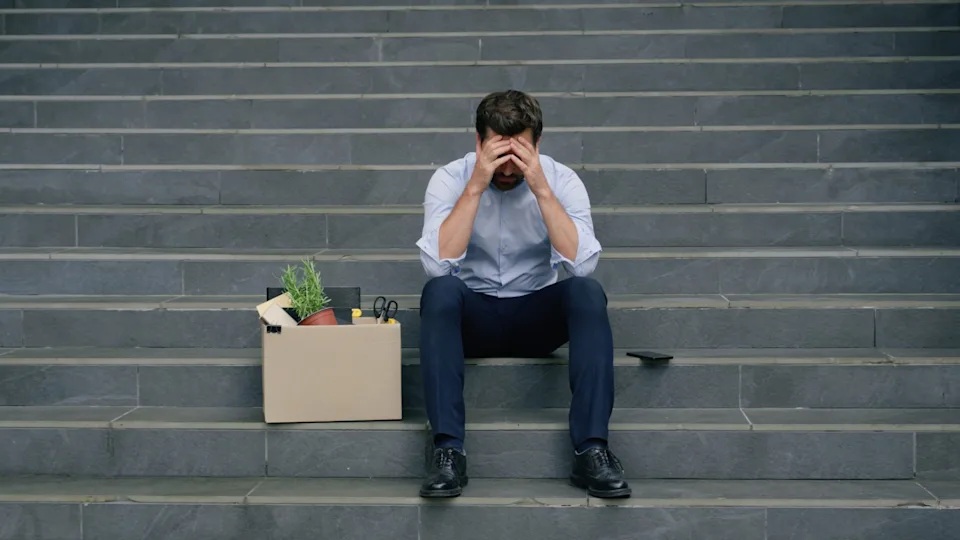
My articulation of humanecy arises from a conscious withdrawal from the Dutch public sphere. A choice frequently misinterpreted as resignation. Yet opting out isn’t synonymous with giving up. There’s a profound distinction. Opting out by free will is the act of drawing boundaries against cultures that reward superficiality, punish truth-telling, and elevate performance over integrity.
In environments dominated by moral theatre and institutional defensiveness, contributing can become an act of self-erasure. To preserve the ability to think, create, and speak truthfully, one must sometimes disengage strategically while still contributing to broader ethical clarity globally.
Humanecy as what liberalism has forgotten
To create is to believe the world remains hospitable to new forms. To think is to affirm that clarity is still attainable. And to propose solutions is to reject despair. Humanecy restores the inner life to our governing structures and asserts that dignity is both the beginning and end of political life. It insists that societies must cultivate practices that honour complexity, vulnerability, and responsibility.
Liberalism can transcend its current crisis, but only when freedom is understood as both existential and legal. A free society requires institutions capable of holding human fragility and citizens capable of recognising one another across difference. Humanecy provides the language, structures, and imagination necessary for this renewal. It doesn’t replace liberalism but comp.