A virus is contagious.
Influence is too.
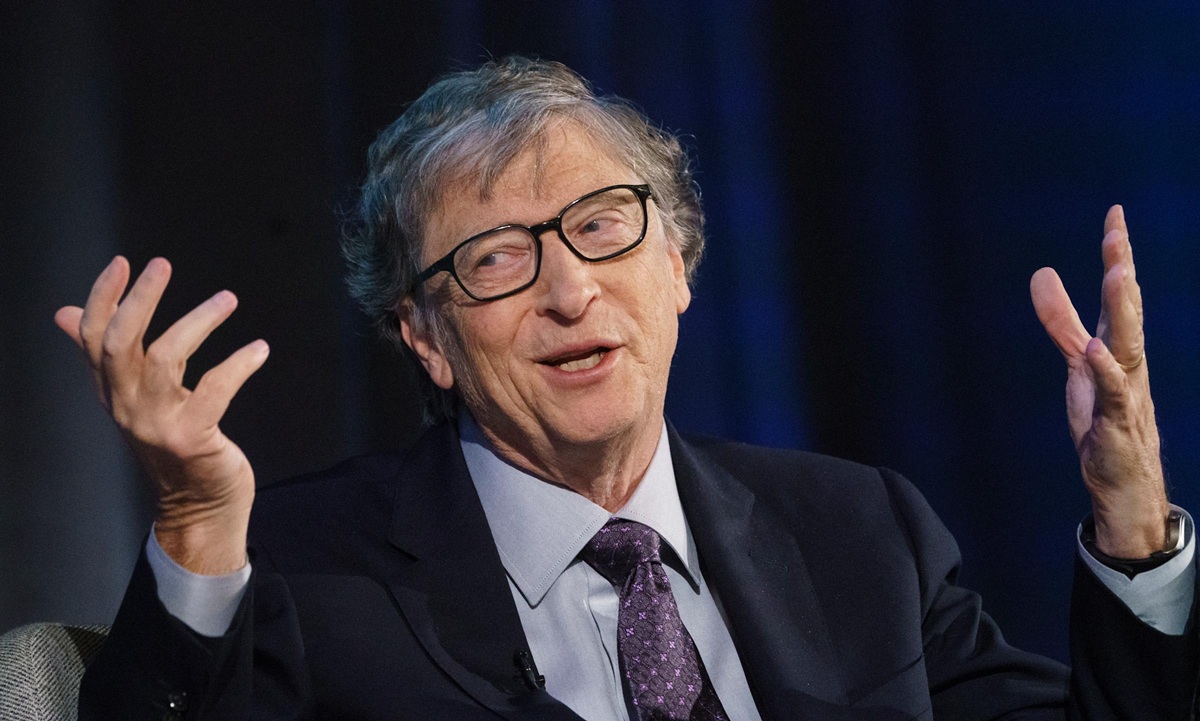
When the world shut down, he appeared everywhere: on stages, in interviews, in policy discussions. Not as a minister. Not as an epidemiologist. But as a philanthropist with an impressive portfolio, Bill Gates.
One of the world's super wealthy, who is up to his neck in the newly released Epstein files, with hundreds of references, including schedules for dinners, meetings, and proposed phone calls.
A man who is confirmed to have been infected by a sexually transmitted disease following Epstein's procurement of the solicitation of “Russian girls”. He then secretly procured antibiotics and slipped them to his then-wife, Melinda French Gates.
Who wouldn’t want such a distinguished billionaire with a proven track record looking after our health?
Through the Bill & Melinda Gates Foundation, billions have been invested for years in vaccines, research, and international health programs. That’s called philanthropy. And philanthropy is, by definition, good. Just like “public-private partnership” always sounds cosy, until you read the shareholder list.
It’s also a marvel of efficiency. While governments wrestle with budgets, a foundation has long decided where priorities lie. Democracy is beautiful, but slow. Philanthropy is fast. And suddenly, speed was everything.
Gates spoke about preparedness, innovation, and global coordination. His foundation funded partners who helped shape policy. Everyone worked together. No one was steering except everyone who was already seated at the table.
The elegance of the arrangement lies in its moral insulation. Who can be against vaccines? Who can be against health? Who can object to someone “giving back” his fortune, provided he also helps decide how it’s spent?
Perhaps this is modern governance: elections for symbolism, funding for direction. A world where influence travels not through ballots, but through budgets.
And to be fair, if you donate billions to global health, you deserve a seat at the table. Maybe even two. Or three. Or a permanent one.
The pandemic brought solidarity.
But also consolidation.
And somewhere between altruism and allocation runs a thin line. No conspiracy. No smoke. Just a system where money moves faster than a virus.
Reassuring, in a way.
Because nothing says “global health care” quite like one man with an excellent investment instinct.