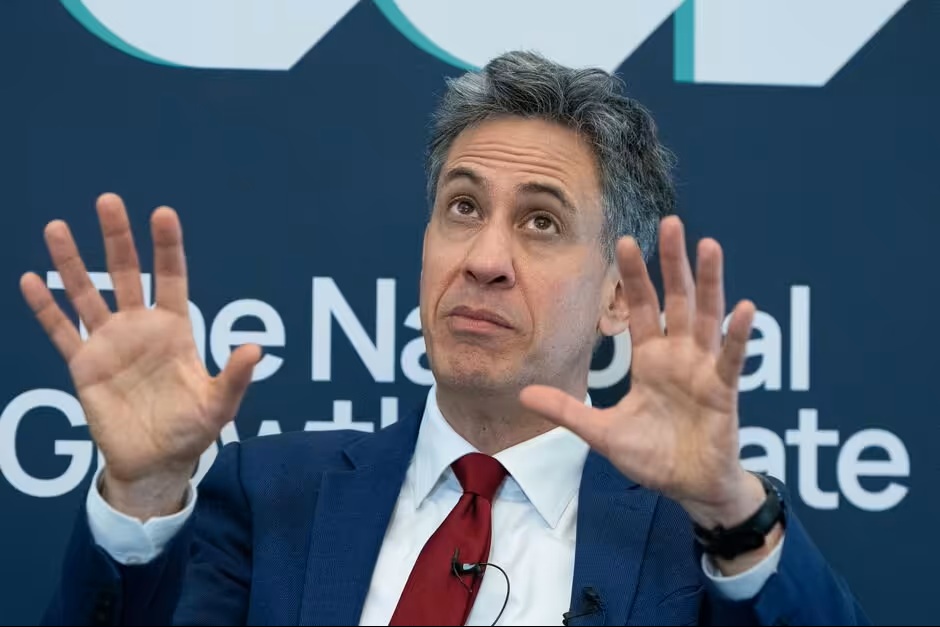
Despite its natural beauty, Kyrgyzstan – a landlocked, mountainous Central Asian state of around seven million people – remains off the beaten path for many outside the post-Soviet space. Although the authorities in Bishkek aim to attract visitors from all over the world, that does not mean every tourist is welcome in this nomadic land. "While we are a very hospitable nation, we are also cautious," said Edil Baisalov, Deputy Chairman of the Cabinet of Ministers of the Kyrgyz Republic in an exclusive interview with The Liberum.
By Nikola Mikovic
In last year’s interview for The Liberum, Minister Baisalov invited visitors from around the world to explore his country. I travelled to Kyrgyzstan not only to experience its natural beauty and hospitality, but also to speak with the charismatic 48-year-old politician once again.
After my trip to Naryn oblast – the country’s largest and most mountainous region – where local authorities do their best to welcome foreign visitors, I came to Bishkek to meet with the top Kyrgyz official. In his view, despite Kyrgyzstan’s enormous potential for tourism and the local hospitality sector's strong desire to welcome international guests, the country is not yet ready for a mass influx of foreign tourists.
“We believe that by 2028, we will have enough hotels and sufficient infrastructure. That is when we expect a tourism boom, and we are preparing for an international campaign. At the moment, however, we are just beginning to open up,” Baisalov told me, emphasising that the Central Asian nation’s authorities had a very serious debate on the future of tourism in Kyrgyzstan.
While officials in the Naryn region, as well as those at the Department of Tourism under the Ministry of Economy, view every tourist as an opportunity, Baisalov remains noticeably cautious.
“Are we really interested in backpackers flooding our country? Every summer, we see dozens of bikers, backpackers, and similar visitors. But we also want to attract the right kind of tourist – especially families from the Middle East, where summer temperatures can be extremely high. They could find relief in our mountains,” he explains.
As Elmira Turganbayeva, Head of Kyrgyzstan’s President’s Office in the Naryn Region, told me, a large number of Israeli tourists are already visiting this mountainous part of the country, drawn by its fresh air and clean water. But aside from Israelis, Kyrgyz officials also expect a surge in Arab visitors.
“The Arab world is one of our key markets. However, they expect proper infrastructure, which is something we are actively working on,” Erdenet Kasymov, Head of the Department of Tourism, explained.
Edil Baisalov also stressed that the construction of tourism facilities is in full swing and that Kyrgyzstan will look completely different in five years.
“We are building a chain of quality hotels. We are also developing thousands of kilometres of trekking routes, including horseback riding trails. However, we also want to protect nature. That is why I’m trying to fight mobile phone companies that want to put a station in every gorge. I want to go into the mountains and be disconnected,” Baisalov said.
Besides protecting nature, the Kyrgyz Deputy Prime Minister says that the authorities must also protect their people.
“While we are a very hospitable nation, we are also cautious. I am prepared to protect our children from potential pedophile tourists, as well as safeguard our young women and men,” Baisalov warned, asking if earning money from tourism is really worth putting Kyrgyz people at risk.
In his view, Kyrgyzstan should focus on high-income tourists and even introduce entrance fees. He believes this approach is needed to keep tourism sustainable and good for both nature and local communities.
“I increasingly focus on asking the right questions: How much revenue are we actually generating from tourism? What value do we want tourism to bring? One way to increase that value is by introducing an entrance fee. Don’t be surprised if we implement it. We want to avoid being overflooded. We aim to become a premium destination. Kyrgyzstan is a small country with a developing economy, and we cannot sustain uncontrolled tourism,” the top Kyrgyz official stressed, adding that the government wants to focus on high-net-worth individuals willing to pay an entrance fee – $30 or $50 – to enjoy a quality experience.
As he explained, Bishkek is looking at models like New Zealand, which balances tourism revenue and sustainability.
“Free visas alone did not drive the level of tourism we expected. Instead, we are focusing on partnerships with tour operators and on attracting high-value tourists from countries such as China. Sustainable tourism is our goal. For those willing to invest in visiting Kyrgyzstan, a $30–$50 entry fee is reasonable and will help preserve the country’s natural beauty and social well-being,” Baisalov concluded.
Although Kyrgyzstan is undoubtedly an attractive, off-the-map location, turning it into a premium-quality tourist hub will require significant investment and effort. The coming years will show whether Baisalov’s vision of a high-end, safe, and sustainable tourism sector can truly transform the Central Asian nation.