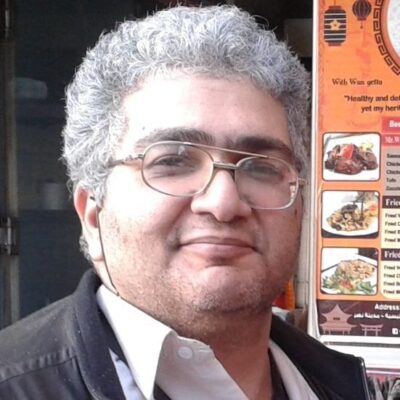
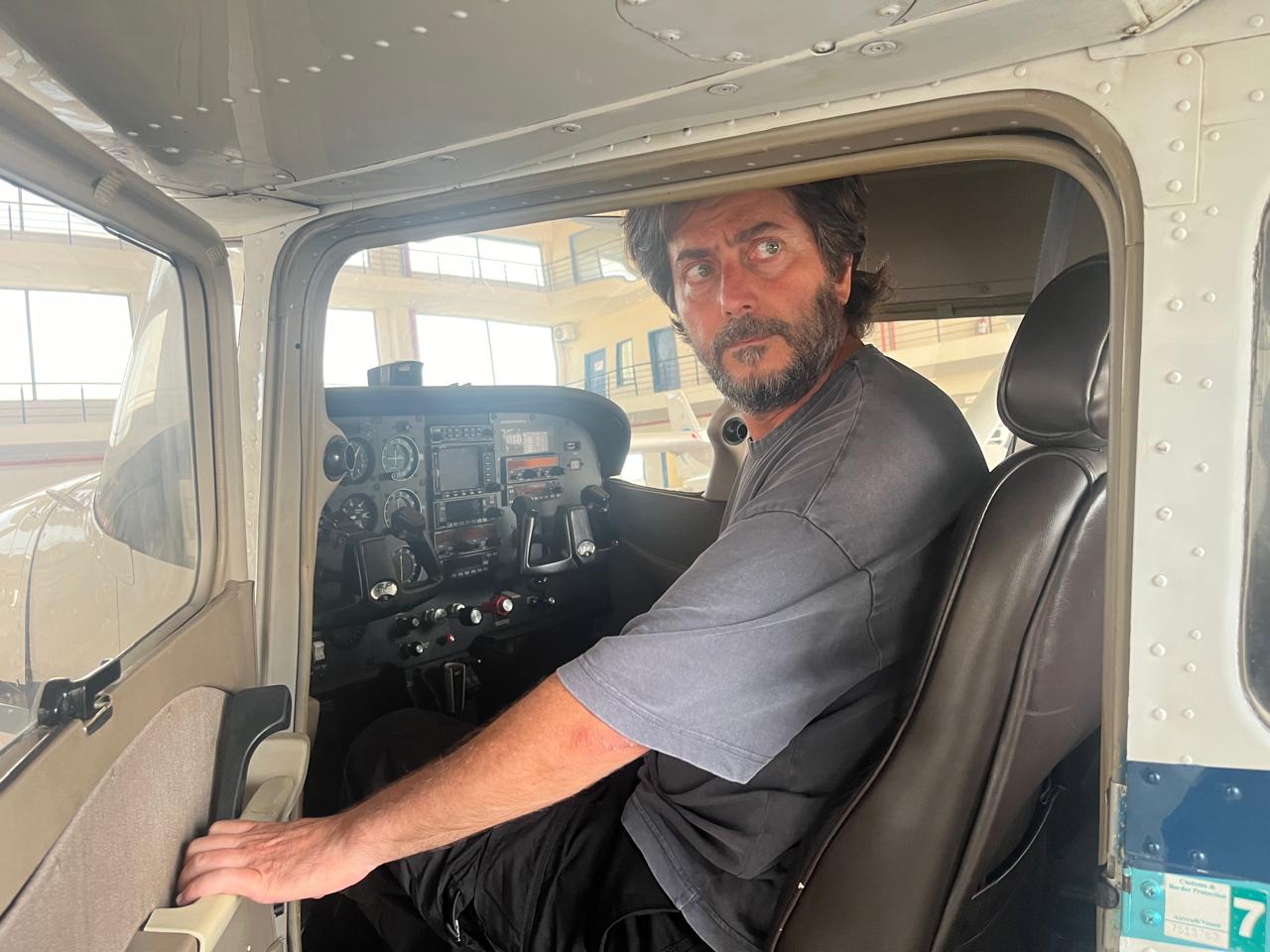
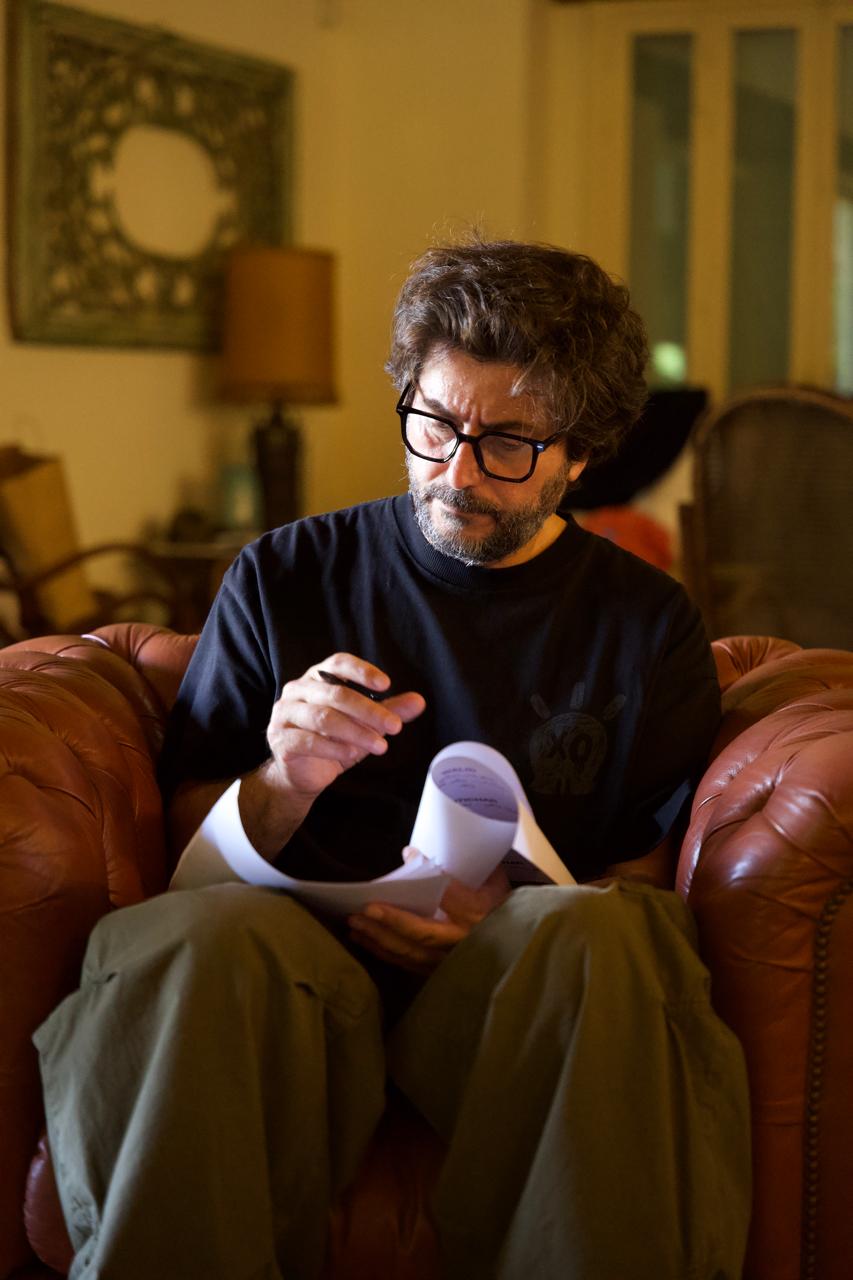
Let me explain how I know Jeremy Szal. He is a Lebanese-Australian SF author I've worked with before online and I finally had the good fortune to bump into him in person at WorldCon in Chengdu, China. He was accepting the best series award for a friend, but alas, not for himself.
I coauthored and coedited a book for the Egyptian Society for Science Fiction titled ‘Arab and Muslim Science Fiction: Critical Essays’ (McFarland, 2022). Jeremy was our contributor for Lebanon. He’s only half-Lebanese and from Australia, but he was the only candidate willing to participate without remuneration. When I say keen, I mean downright ‘eager.’
By Emad Aysha
When, where, and how did you come into being and get involved in the SF business? And does your cultural background play a role?
“I suppose I started when I was first published by Nature magazine in 2015. But my involvement became a lot more major when my debut novel Stormblood was published by Gollancz in 2020 as the first of a space opera trilogy. I’ve always been lurking, but I think it was the novel that put me on most people’s radars.
I’ve always identified with the “other”. The underdogs, the nomads, the aliens, the outcasts, the rebels on the fringes of society. Being from several cultures that are not dominant in the world and having a mixed-race background has impacted my writing and the points of view I choose to privilege.
For me, the world exists in shades of grey. There are certainly some blacks and whites, but most are greys. Which is why my characters are always making those difficult, uncomfortable, morally-grey decisions. There’s not always a right answer. There’s rarely an answer that makes everyone happy in the end. So, I’m looking for my characters to go with their gut and make whatever choices they feel have to be made.”
How well has the McFarland book been received in Australia? You'd mentioned it has now been stocked in two major university libraries.
“The libraries it’s been stocked in aren’t just university libraries – they’re public libraries. One of them is the most extensive library chain in Australia. Which means it’s accessible to a whole lot of people, and I’m pleased about that.”
The forum that was organized in Chengdu are such events in non-Western countries the way to go from now on for ‘global’ science fiction?
“I had a fabulous time! I’ve always said that for Worldcon to be “Worldcon” it needs to be held outside of North America every other year. While we haven’t managed to do that, it is good to see Worldcon being increasingly hosted in more diverse countries. For many people, myself included, Chengdu Worldcon was their first time at a non-Western Worldcon, and it set a wonderful precedent. I do wonder what a WorldCon in Korea or Brazil or Egypt would look like.”

Now, a literary question – is doing a series difficult? Do you ever run out of steam by the sixth novel? Are trilogies safer?
“Yes, it’s complicated. I’m not sure I could do six novels in this series or if I’d even want to do it! These books have always been a trilogy in my head, and I’m doing my best to tell the story and wrap it all up in three books. But it’s going to be a big book, however.”
Finally, how long before an Arab gets the Hugo award? And what do we need to do to pitch ourselves to the organization and the voting fans?
“You’re asking the wrong person. There’ll be snow on the hills of hell before I’m given a Hugo award, I think. I don’t think I’m writing the sort of books that get awarded Hugos. But I’m okay with that. I will keep writing them anyway, and that’s the important thing, I think.”