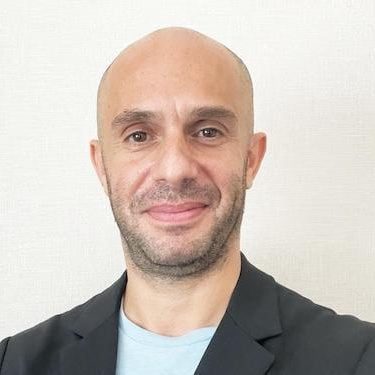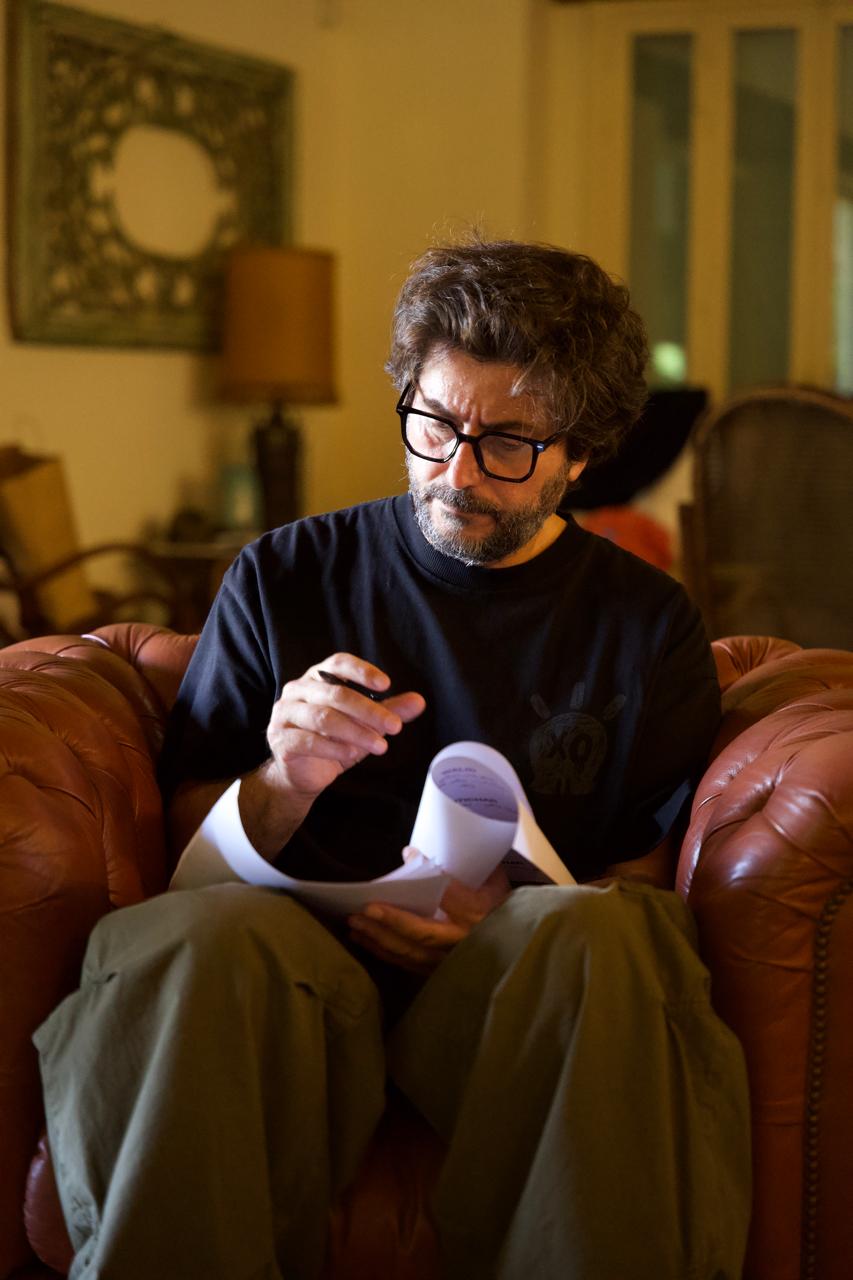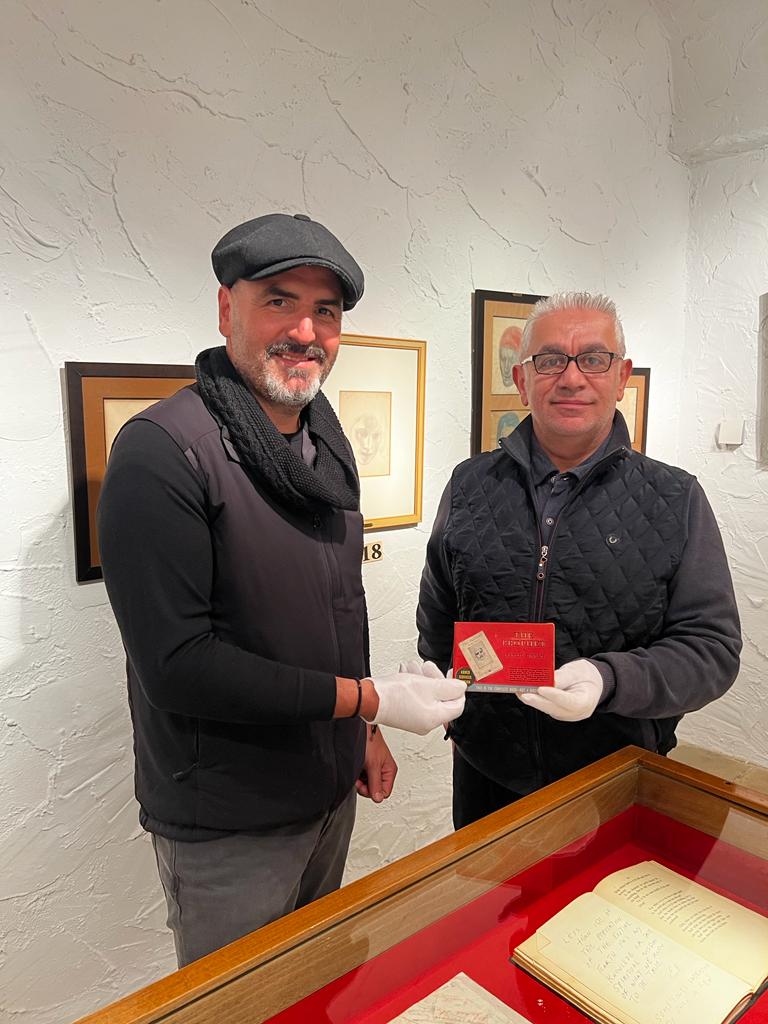
“No man can reveal to you aught, but that which already lies half asleep in the dawning of your knowledge” is Glen Kalem-Habib’s favourite quote from Kahlil Gibran’s The Prophet. The best-known book Gibran celebrates its 100th anniversary this year. The Liberum took a closer look at the importance of this masterpiece with Lebanese-Australian Gibran scholar Glen Kalem-Habib.
By Arthur Blok
“I see it as a privilege to witness this 100 anniversary of one the most incredible books of modern times”, Kalem-Habib emphasised. The Gibran scholar is also an award-winning documentary film producer and a founding member of the International Kahlil Gibran Association and the Kahlil Gibran Collective (KGC), the latter being an extensive website about Kahlil Gibran's Life, Works, and Legacy.
Kalem-Habib: “The Prophet has reached heights and borders beyond the author's and his friends' expectations. After twenty-five years of research, I am still baffled by this book’s outreach in the global society.”
Essentially, The Prophet is a book transcending many borders and institutions, personal and corporate. A literary book of wisdom that cuts to the core of who we are, a reflection of our more profound truth.
Kalem-Habib: “If we all took some of the wisdom inside the book, the world would be a much better place with less violence, suffering and poverty.”
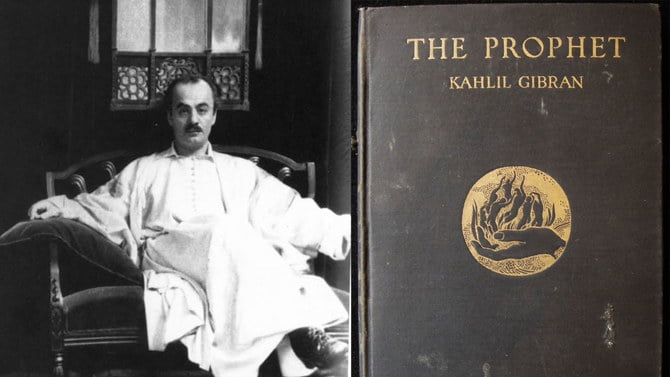
The story describes Al-Mustafa - the chosen one - who is leaving the city of Orphalese on a ship that is taking him back home. A home he left 12 years earlier.
Al-Mustafa is confronted with many questions by the city’s inhabitants (men, women, youngsters, and intellectuals) about values in life. Throughout the book, themes like love, freedom, friendship, pain, pleasure and friendship pass in review.
It is one of those books that only truly be understood when reading it yourself.
To commemorate 100 years after its first publication, events are being organised all over the globe, from Lebanon to New York. Kalem-Habib describes that as an “incredible accolade” to put on a book intended to heal and comfort in times of need.
Kalem-Habib: “Now, 100 years later, we find ourselves again in a global village that needs spiritual grounding and wisdom to remind us that we are all but fragile humans in quest to experience life as happily as possible. Amidst a world that is not only in an economic crisis but also in a spiritual one. In that perspective, The Prophet is a book we can turn to and find comfort.”
The Lebanese-Australian scholar explained that the book was written to heal and the assumption that there is something much larger at play than yourself.
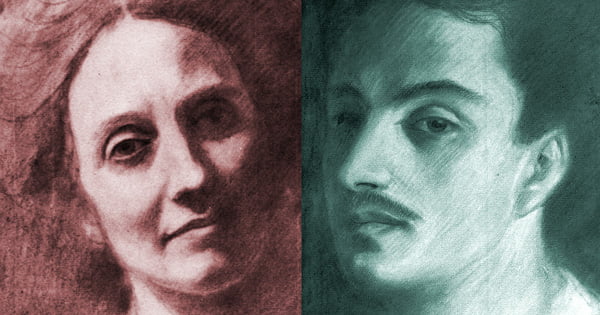
“I am constantly reminded by the letter he wrote to his confidant, closest friend and editor of the book Mary Elizabeth Haskell. He told her after she praised the book after its publication, it only says one thing: you are far, far greater than you know, and all is well.”
Beautiful and inspiring, indeed.
The Prophet is, without any doubt, an essential read to so many people. Kalem-Habib did a co-study with renowned Gibran scholar Francesco Medici in 2017 that delved into the translations of The Prophet. “The current number of translations stands at 116. In that perspective, it is one of the most translated books in human history.”
For those who have not yet read the book, Kalem-Habib has the following message: “The obvious one would be to read it. If you find yourself at a crossroads in life or looking for a deeper purpose, who you are. A book like The Prophet is a perfect read; it is only 20.000 words long. It might set you off on a beautiful path.”
Glen Kalem Habib is currently on a journey to establish a permanent monument in New York City dedicated to The Prophet. If you would like to sponsor his journey, help him by donating via the website of The Kahlil Gibran Collective or the donation tool below.