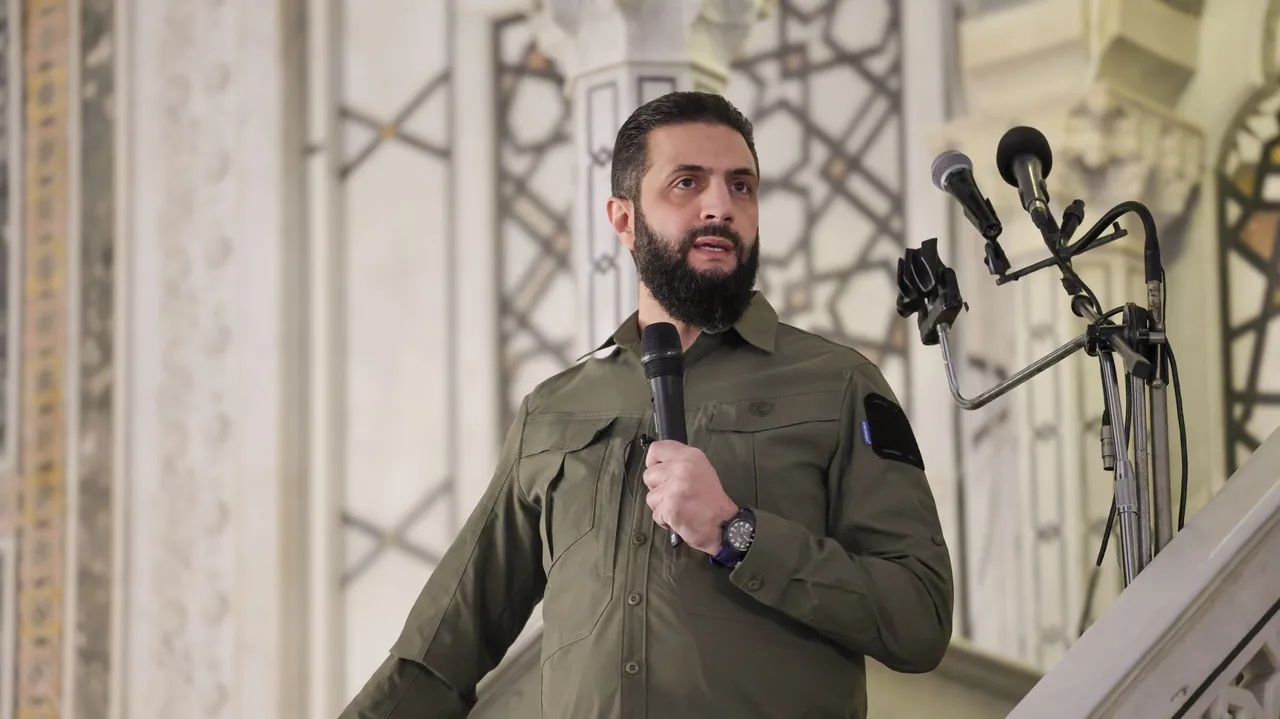
Syria has entered a new phase of conflict management since January 8, which is being marketed as stabilisation but functions, in reality, as strategic suspension. The confrontation between Ahmad al-Sharaa’s government and the Syrian Democratic Forces (SDF) did not culminate in a decisive military outcome. Instead, it exposed the limits of sovereignty in a country whose future remains negotiated elsewhere. What unfolded was not the resolution of a national conflict, but its careful containment under international supervision.
By Rafic Taleb
Militarily, Al-Sharaa’s forces demonstrated a clear capacity to advance deeper into Hasakah, Qamishli, and Ayn al-Arab. Politically, however, they stopped short. This was not hesitation born of weakness, but restraint imposed by geopolitical ceilings.
The Kurdish file in Syria is no longer a domestic question; it is a deferred regional one, tied to larger arrangements involving Turkey, Iran, Iraq, and the United States. In this sense, the January clashes were less about territory than about positioning—who holds leverage when the broader settlement finally arrives.
The agreement reached with the SDF reflects this logic of postponement. Presented by Damascus as reintegration, it more closely resembles institutionalised autonomy under a different name. The SDF’s military structure remains largely intact, its internal security forces continue operating with cosmetic adjustments, and local administration stays firmly under Kurdish control.
The central government’s presence is symbolic rather than authoritative. Statements by Kurdish leaders openly frame the deal as a starting point, not an endpoint, underscoring the fragility—and duplicity—of the arrangement.
This contrast between narratives is telling. While Sharaa’s government speaks the language of restored sovereignty, the SDF speaks the language of preparedness and continuity. The two stories cannot both be true. What exists instead is a managed ambiguity designed to buy time. Such ambiguity has a long history in Syria, and it rarely ends peacefully.
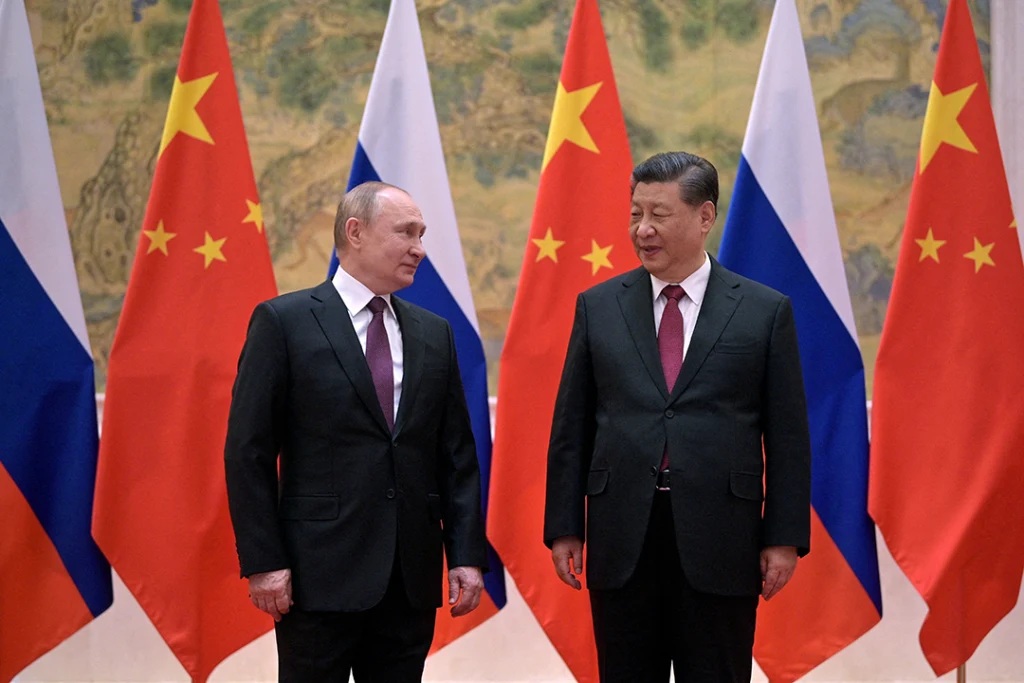
Sharaa’s visit to Moscow further clarified the nature of this moment. Diplomacy with Russia, in itself, is neither novel nor inherently illegitimate. What proved damaging was the tone. Public praise of Russia as a stabilising force, and the use of reverential language toward a state responsible for mass civilian deaths, struck many Syrians as a moral rupture.
Beyond ethics, it was also a strategic misstep. In international politics, overt flattery signals dependency, not strength. Moscow gained reassurance without offering tangible concessions in return.
The visit yielded no visible breakthrough: Russian bases remain, economic agreements signed under the previous regime stand, and negotiations appear to be limited to Moscow’s promise not to support unrest along the coast.
In exchange, the new self-appointed Syrian government absorbed domestic backlash and further narrowed its room for manoeuvre. The episode illustrated a recurring dilemma of post-revolutionary authority: leaders who lack internal consensus often overcompensate abroad—and pay the price at home.
Underlying these developments is a deeper structural problem. The current governing model has struggled to transition from factional control to statehood. Allegations of corruption, patronage, and concentration of power within a narrow circle, whether entirely accurate or not, reflect a widespread perception that the system reproduces the very dynamics the revolution sought to dismantle. When legitimacy erodes internally, external actors become arbiters by default.
Syria today exists in a state of suspended resolution. No actor enjoys full sovereignty; no conflict is truly settled. The coast, the northeast, and the south all remain managed files rather than integrated parts of a national project. Power is distributed not through institutions, but through understandings brokered by Washington, Moscow, and Ankara. This is not peace; it is a pause shaped by competing interests.
The lesson of the past decade is unambiguous. Authority derived primarily from external endorsement is temporary. When usefulness expires, replacement follows. A sustainable future for Syria cannot be built on frozen conflicts, rhetorical sovereignty, or selective memory.
It requires an inclusive political order that restores accountability, honours the revolution’s moral foundations, and reclaims decision-making from foreign capitals. Until that happens, Syria’s war may no longer dominate headlines, but it is far from over.
It has simply changed form.