(Part III of the series: The New Eurasian Order, Part I, can be read here & Part II here)
While wars rage from Ukraine to the Middle East, Beijing redraws the geopolitical map through infrastructure, patience, and strategy. History does not always move through explosions. Sometimes, it moves along roads. Sometimes, the most profound transformations unfold quietly, in ways that escape daily headlines yet alter the course of nations.
By Nadia Ahmad
As armies clash in Ukraine and tensions flare between Israel and Iran, a quieter transformation spreads across Eurasia. While Western powers focus on conflicts, China builds influence through trade corridors, infrastructure networks, and strategic partnerships.
Where others deploy tanks, China lays rails. Where sanctions aim to isolate, Beijing signs contracts and funds ports. The scale of this effort is staggering—spanning thousands of miles, multiple time zones, and countless legal, financial, and cultural negotiations that rarely make it into news cycles.
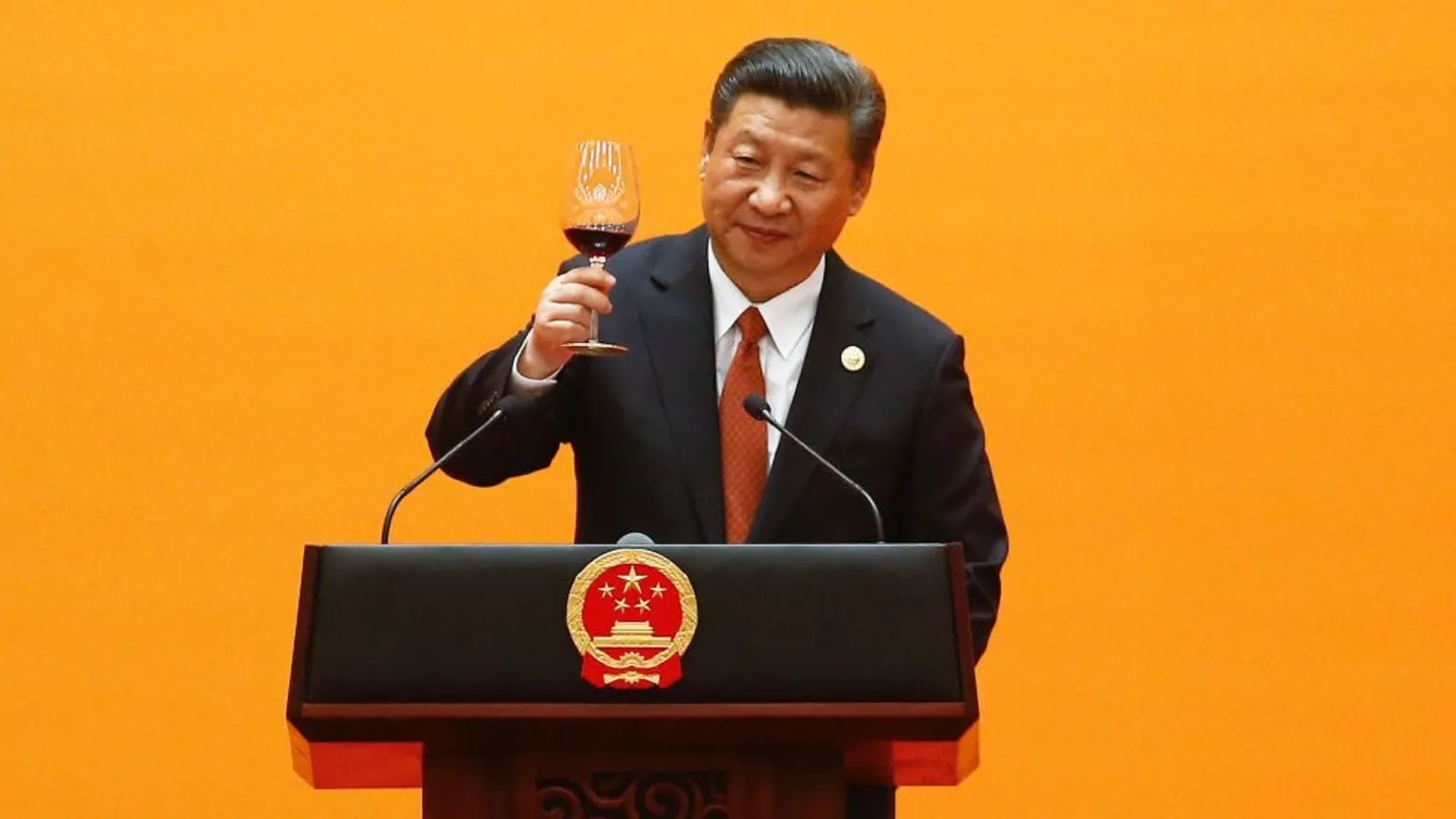
Under Xi Jinping, China has launched one of the most ambitious geopolitical projects of the modern era: the Belt and Road Initiative. Stretching across continents, it links Asia, the Middle East, Africa, and Europe through railways, highways, pipelines, and digital networks. Unlike classical empires, China’s influence travels silently—not through armies, but through connectivity.
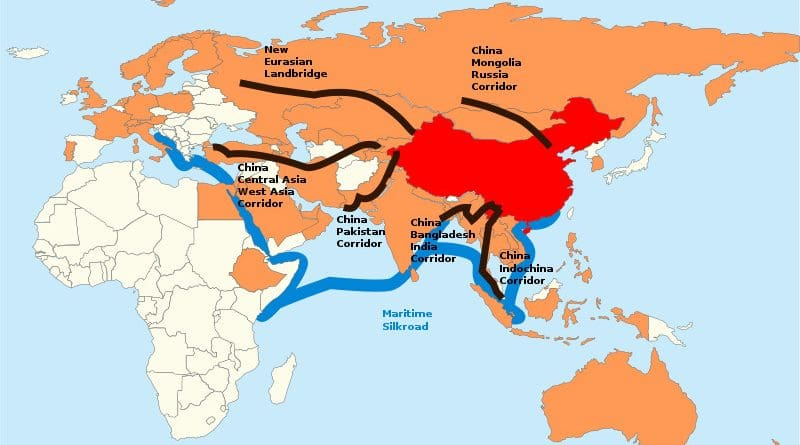
The initiative reflects centuries of strategic thinking embedded in Chinese culture: long-term vision, patience, and an understanding that influence can be built as subtly as water shapes rock over time.
China’s strategy echoes the Silk Road. Merchants once carried silk, spices, and ideas across continents, spreading religions and technologies. Today, modern railways, container trains, and pipelines revive this logic at an unprecedented scale.
Chinese history offers instructive anecdotes: Zheng He’s voyages projected influence through trade, diplomacy, and culture, while the Long March symbolises patience, endurance, and strategic foresight—qualities mirrored in Beijing’s long-term global planning.
Even today, stories from small towns along the Belt and Road show how local communities—farmers, artisans, and merchants—experience China’s influence in tangible ways, from new schools to digital connectivity, quietly reshaping daily life across Eurasia.
In Kazakhstan, a small village once isolated from international markets now exports grain to Chinese cities via newly constructed rail lines. In Pakistan, a modern logistics hub in Gwadar has connected remote towns to global commerce, while Chinese engineers and teachers help staff new schools, subtly transforming local education. These human dimensions illustrate the quiet power of connectivity—a power that shapes economies, culture, and daily life without firing a single shot.
New infrastructure is reshaping Eurasia into a central axis of global commerce. High-speed rails, pipelines, and digital networks allow goods and information to move without relying solely on maritime routes. Eurasia houses the majority of the world’s population, natural resources, and industrial capacity.
By knitting these together, China positions itself at the gateway to a new economic order. Central Asia acts as a spine, with logistics, universities, and trade deals strengthening interdependence without coercion.
Even small infrastructure projects, such as a single upgraded railway station in Kyrgyzstan or a digital connectivity project in Uzbekistan, ripple outward, creating networks of influence that are difficult to dismantle.
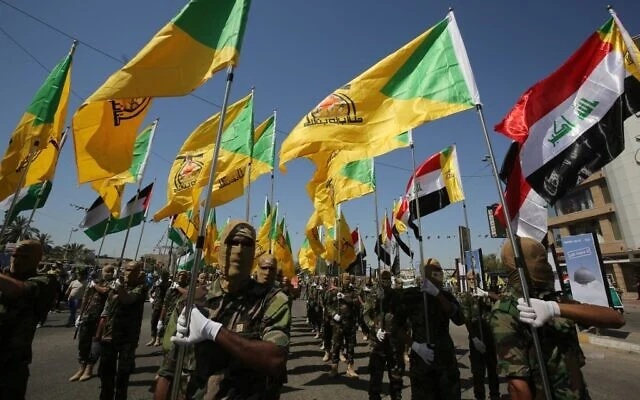
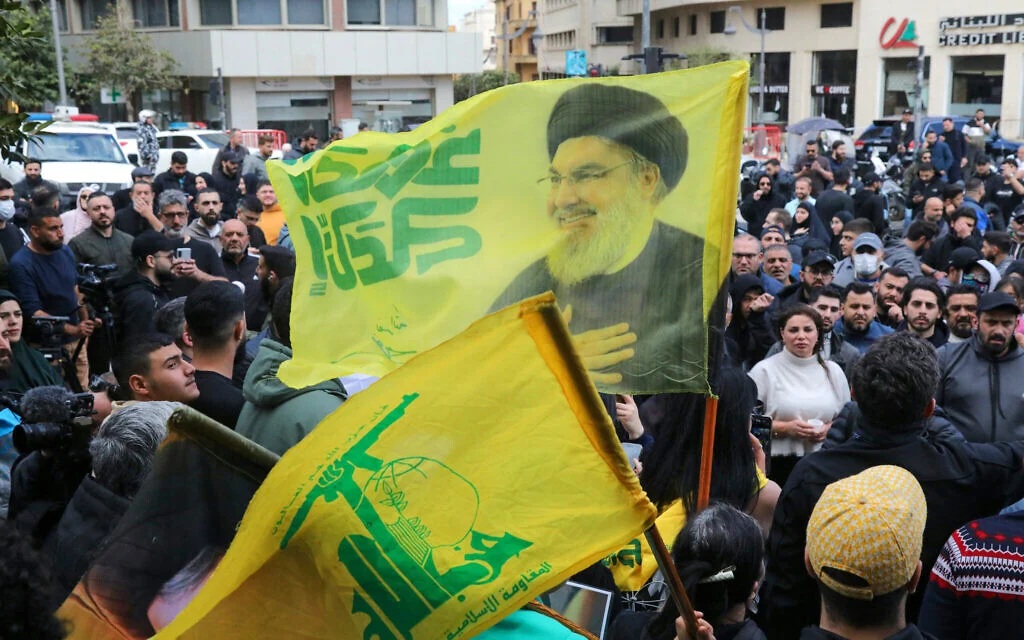
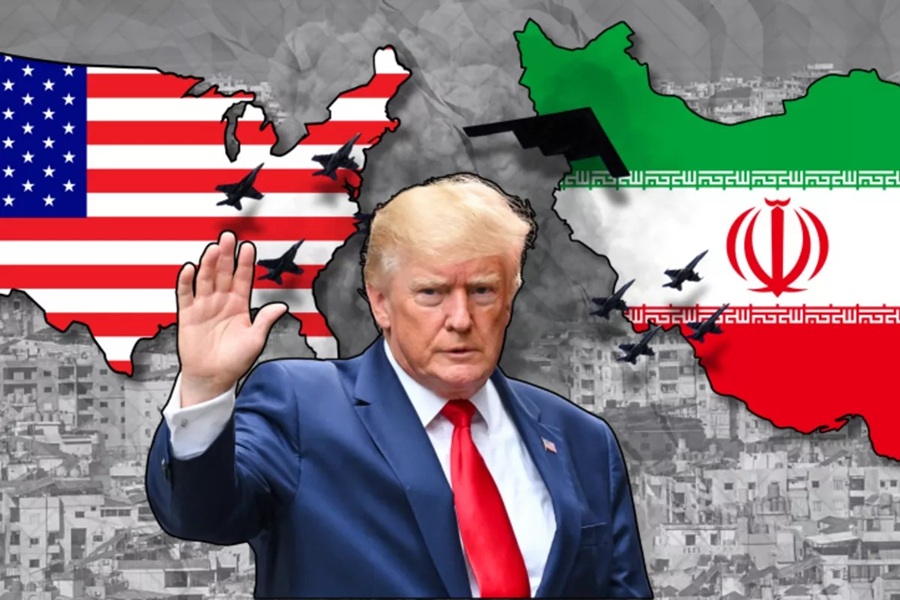
The Middle East is a critical junction. Chinese investment in ports, pipelines, and logistics hubs secures access and ensures connectivity. Yet regional volatility persists. Conflicts between Israel and Iran, combined with Hezbollah’s positioning in Lebanon, threaten stability. China navigates carefully, extracting influence without military engagement, demonstrating its ability to thrive amid chaos.
Observers note how Chinese engineers and diplomats often travel extensively in the region, blending cultural sensitivity with economic pragmatism—a human touch that hard power rarely achieves.
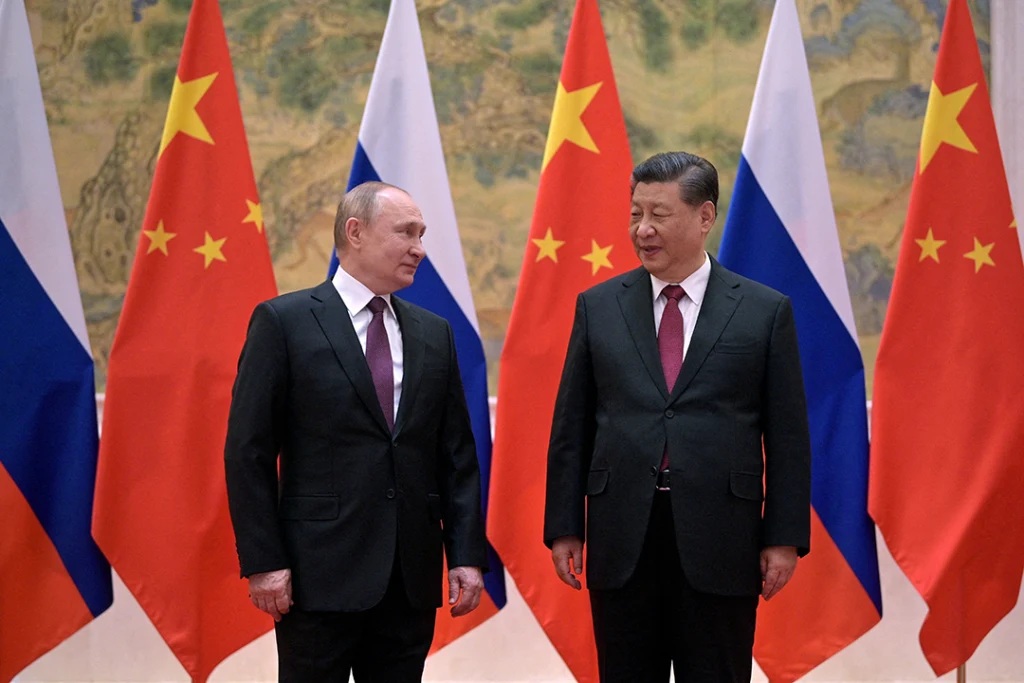
Russia’s invasion of Ukraine draws global attention, absorbing European and American resources. By contrast, China expands quietly. Where Russia moves with fire and burden—carrying the historical “cross of the world”—China moves with the patience of the dragon. Its influence grows steadily, embedded in Eurasia’s infrastructure while wars dominate headlines elsewhere.
Technology amplifies this reach. Fibre-optic networks connect Central Asia to China, enabling e-commerce, telemedicine, and data-sharing platforms. Smart city initiatives in Southeast Asia, powered by Chinese digital infrastructure, demonstrate that influence is not only physical but also economic and cultural. Beijing understands that soft power travels silently along digital lines as effectively as it does along railways or ports.
Wars disrupt alliances, but economic networks endure. China’s freight trains from Xi’an to Hamburg, ports across the Mediterranean, and pipelines across Central Asia create an enduring influence. Military victories can alienate the world; infrastructure embeds power. Even in remote border towns, small contracts and local partnerships illustrate China’s long-term strategy: influence built not overnight, but through sustained, patient presence.
The human stories reinforce these lessons. In Uzbekistan, a local mayor negotiating water infrastructure with Chinese engineers emphasised mutual trust and patience—a reflection of Confucian principles of long-term planning.
In Kazakhstan, artisans exporting handmade goods along newly established rail corridors find themselves connected to markets they never imagined. These narratives show that influence is often most durable when it is quiet, persistent, and embedded in people's everyday lives.
China’s rise faces contestation. The United States and allies retain global reach, but competition now centres on technological ecosystems, financial systems, and infrastructure networks rather than territorial conquest. The continent’s resources, population, and industrial base are increasingly connected to Beijing’s corridors, shaping the 21st-century geopolitical order.
Patience, endurance, and vision define Chinese strategy.
While tensions between Ukraine and the Middle East dominate headlines, China continues to expand trade corridors and finance infrastructure. Roads and networks persist long after armies depart. Human stories emerge along these corridors: children attending newly built schools, entrepreneurs accessing foreign markets for the first time, small towns discovering connectivity to distant continents. These personal dimensions reinforce China’s influence in ways that are invisible in traditional geopolitical analyses but deeply consequential.
While Russia bears the cross of historical burden, and Iran projects the crescent of fire across the Middle East, China quietly constructs a new order through infrastructure and patience. Conflicts from Ukraine to Lebanon create opportunities for Beijing’s advance. The Dragon’s silent roads may define Eurasia as the centre of gravity for global commerce, energy, and influence.
Military power can win battles, but connectivity shapes the world. Roads laid today may quietly decide the geopolitical map for decades to come, silently reshaping power, influence, and civilisation itself.
In the interplay of the cross, the dragon, and the crescent, the roads laid by Beijing are more than infrastructure—they are conduits of influence, culture, and strategy. From the ports of Piraeus to the deserts of Central Asia, each mile quietly redefines the balance of power, leaving a legacy that will outlast immediate headlines, fleeting alliances, and even the battles of the moment.
The lesson is unmistakable: the dragon’s patience is more enduring than the thunder of guns, more lasting than temporary alliances, and often more influential than the immediate victories of war. Its silent roads remind the world that in a new era of Eurasian power, influence is as much about presence, connectivity, and subtle persistence as it is about armies, treaties, or summits.