Julian Assange once described Serbia as a “place where the future happens first.” Indeed, Serbia is the first country in which a student-led movement has defeated a long-entrenched ruling party, a model that will almost certainly be emulated around the world.
By Nikola Mikovic
Serbia is a relatively small European country. Yet, it is far from being insignificant. The world’s first so-called “colour revolution” took place in Serbia on 5 October 2000. President Slobodan Milosevic was overthrown after he refused to acknowledge his electoral defeat in the election held on 24 September 2000.
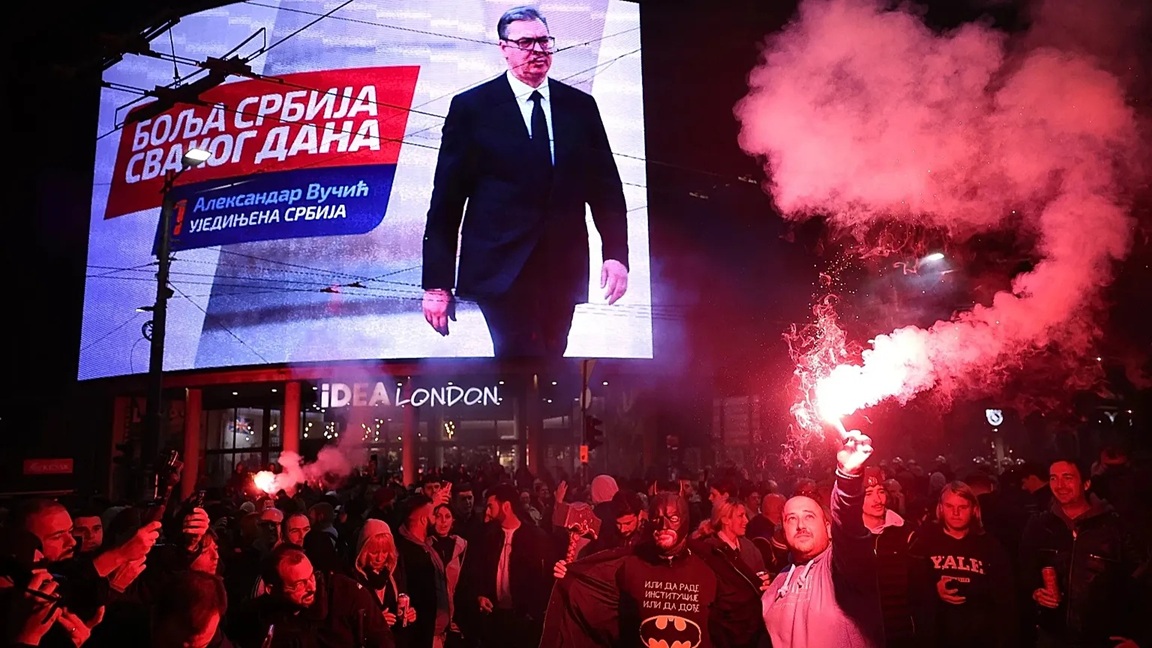
That day, long queues formed outside polling stations as people turned out to end Milosevic’s 10-year rule. The same scenes were repeated 26 years later, as Serbs turned out in large numbers to vote for an end to Aleksandar Vucic’s rule and that of his Serbian Progressive Party, which has effectively governed the country for 14 years.
Unlike Milosevic, Vucic immediately conceded defeat in the parliamentary elections held on 25 October. Interestingly, his party did not lose to any of the rival opposition factions, but rather to a student-led movement that emerged in the wake of the roof collapse at the railway station in Novi Sad in November 2024, which killed 16 people.
Before the election, Vucic resigned as Serbia’s president in hopes of running for prime minister. To secure international support, he hosted various international influencers believed to have close ties to the Trump administration and Israel. But their presence in Serbia on election day did not help him.
Vucic conceded defeat like former Montenegrin leader Milo Djukanovic in 2020 and 2023, and to Hungary’s Viktor Orban earlier this year. He accused unnamed European countries, as well as the US “deep state,” of meddling in the election, despite having enjoyed the backing of both the European Union and the United States over the past 14 years.
Whether foreign powers really stood behind the student-led movement in Serbia or not, what Serbian students have achieved will undoubtedly serve as an example for similar youth movements around the world. Their organisational model is particularly intriguing: they made decisions collectively through general assemblies, known as “plenums,” held at universities, while deliberately avoiding centring the movement on a single leader.
It also lacks a clear ideology, a trait it shares with Vučić. The student-led movement is a classic big-tent organisation, bringing together broad segments of Serbian society, from right-wing nationalists and left-wing pro-EU supporters to economic liberals and etatists.
To unite these diverse groups behind a single front against Vucic, the students focused solely on fighting corruption and avoided taking a stance on sensitive issues, particularly foreign policy.
The only exception was their declaration that they would not impose sanctions on Russia, as around 80 per cent of Serbs would firmly oppose such a move. But because Serbia is surrounded by EU and NATO member states, the new government is unlikely to have much choice but to keep strengthening ties with the West, even though the country’s prospects for EU membership remain highly uncertain.
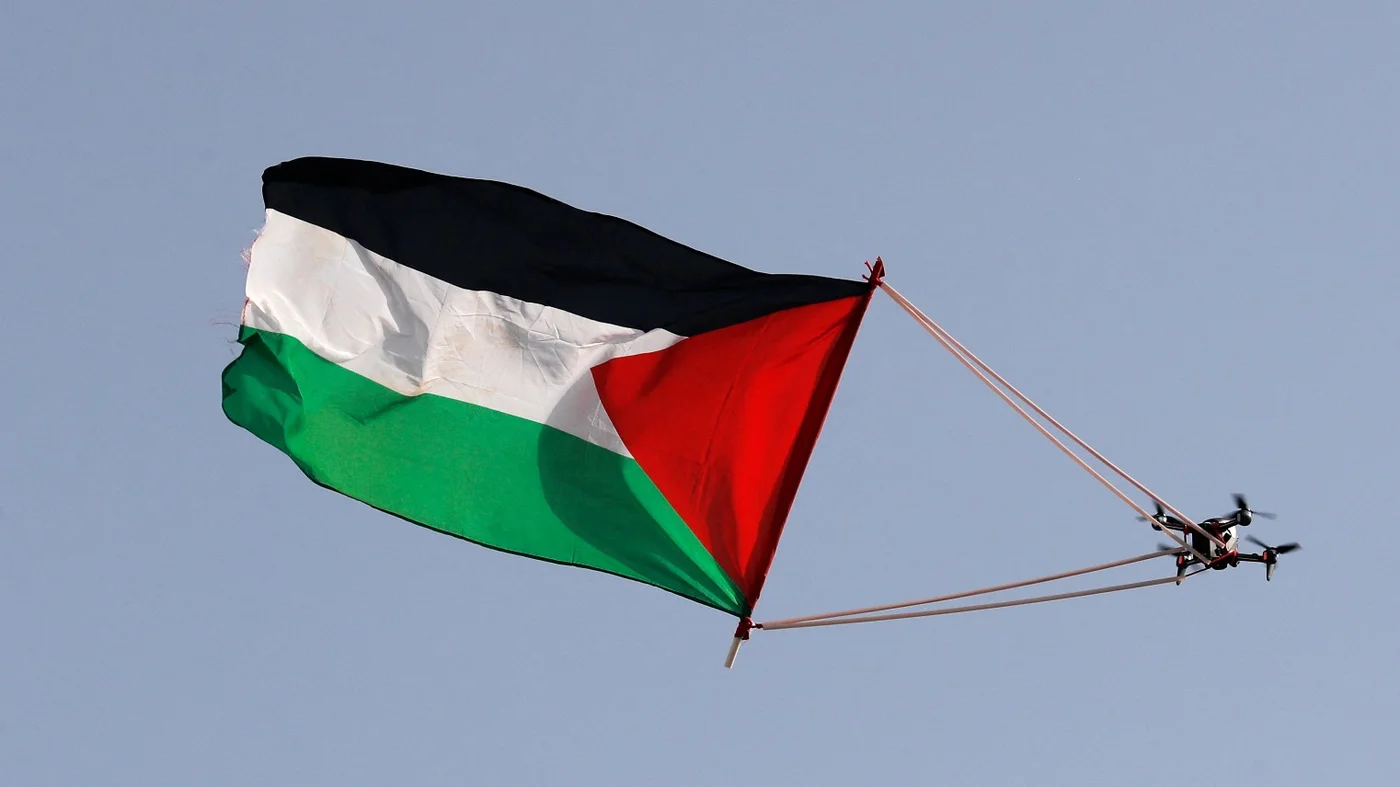
What could change, at least to some extent, however, is Serbia’s relationship with Israel, given that certain factions within the student-led movement firmly support Palestine. Meanwhile, the new Serbian authorities are expected to seek closer ties with the United States, particularly if the Republicans suffer losses in the November 3 midterm elections.
In other words, Serbia’s foreign policy is unlikely to differ fundamentally from Vucic’s approach, just as it did not differ significantly from former President Boris Tadic's. That is why what happened in Serbia on October 25 cannot be described as a “regime change” or a “colour revolution,” but rather as a Hungary-style transition from a very soft autocrat to a group of figures with no real charisma.
One thing is certain: the students’ approach worked. The student-led movement achieved what the traditional opposition had failed to accomplish for 14 years. Just as the events of October 5, 2000, in Belgrade inspired the “colour revolutions” in countries such as Georgia and Ukraine, the Serbian student movement will almost certainly serve as a blueprint for struggles against pseudo-autocratic leaders elsewhere in the world.
It is important to note, however, that this approach can be applied only in countries with so-called “hybrid regimes,” as in outright autocracies and dictatorships, students would never be allowed to launch protests or political movements in the first place.
Vucic was, therefore, not a dictator – not even close. But he had been in power for too long, and Serbs had grown tired of him. Now, it is time for someone else to continue implementing his policies.