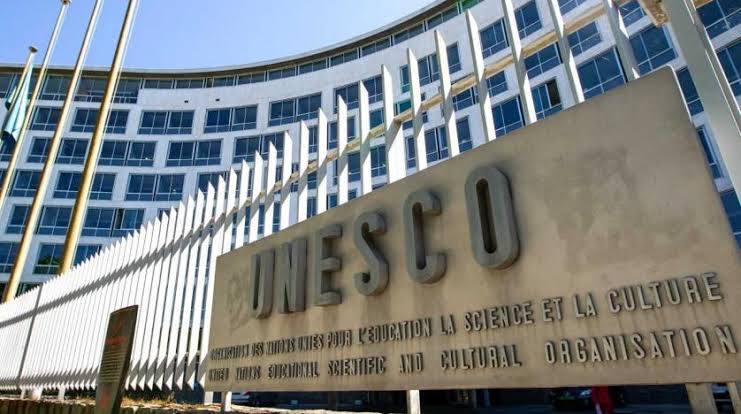
UNESCO designates Beirut Creative City for Literature

On the occasion of World Cities’ Day, celebrated on 31 October, UNESCO designated Beirut Creative City for Literature. With this annoucement, Beirut joins the Organization’s Network of Creative Cities, which now number a total of 246 members. The Network brings together cities that base their development on creativity, whether in music, arts and folk crafts, design, cinema, literature, digital arts or gastronomy.

UNESCO creative cities commit to placing culture at the centre of their development strategies and to share their best practices.

“All over the world, these cities, each in its way, make culture the pillar, not an accessory, of their strategy,” said UNESCO Director-General Audrey Azoulay. “This favours political and social innovation and is particularly important for the young generations.”

Lebanon's Ambassador to UNESCO Sahar Baassiri explained that this announcement is a recognition by UNESCO of the special creative and cultural status of Beirut, especially in the literary field. This city has played for decades a leading role in publishing, translation and book fairs organization; it has hosted distinguished universities and cultural clubs; and it has embraced writers and poets from across the Arab world, who were attracted by its open intellectual environment and its free media.

Source: UNESCO
 

The Liberum

The subtitle of The Liberum ("the voice of the people is the voice of God") reflects the concept that the collective opinions and will of the people carry divine importance. They embody truth and wisdom, particularly in a non-partisan arena that profiles itself as a marketplace of free ideas and thoughts.
See full bio >
The Liberum runs on your donation. Fight with us for a free society.
Donation Form (#6)

More articles you might like

The day I realised new chapters don’t begin with certainty

We have romanticised new chapters to the point that we expect them to arrive wrapped […]

The day after the supreme leader died: A Post-Westphalian Levant

Empires rarely announce their endings; they fracture. The assassination of Iran’s Supreme Leader Ali Khamenei […]

Growing up in a count

Before we understood where we stood on a map, we understood what was taken away.  […]

The discipline paradox: Ramadan to the Eye of the Outsider

Before Qur’anic verses were recited, the Arab body knew the mathematics of scarcity. It walked […]
- by Nadia Ahmad on 17/02/2026

Why Arab monarchies thrive, and Arab republics fail

The 20th century was a period of political fragmentation between monarchies and republics in the […]

Less is More

I woke up today with the word “effortless” playing in my mind. I love effortless […]