The return of Donald Trump to the White House marks a turning point not only for the United States but also for Europe. After years of moral relativism, unchecked immigration, and weak-willed leadership, Trump’s clear stance against mass immigration and his uncompromising foreign policy offer an opportunity for Europe to regain its sovereignty, security, and civilizational self-confidence.
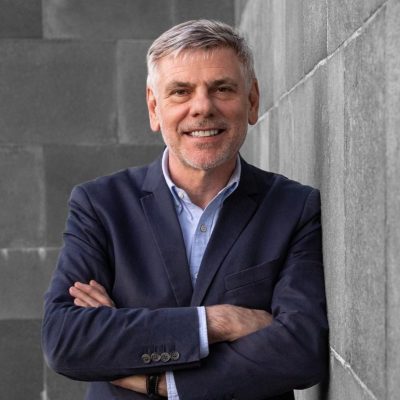
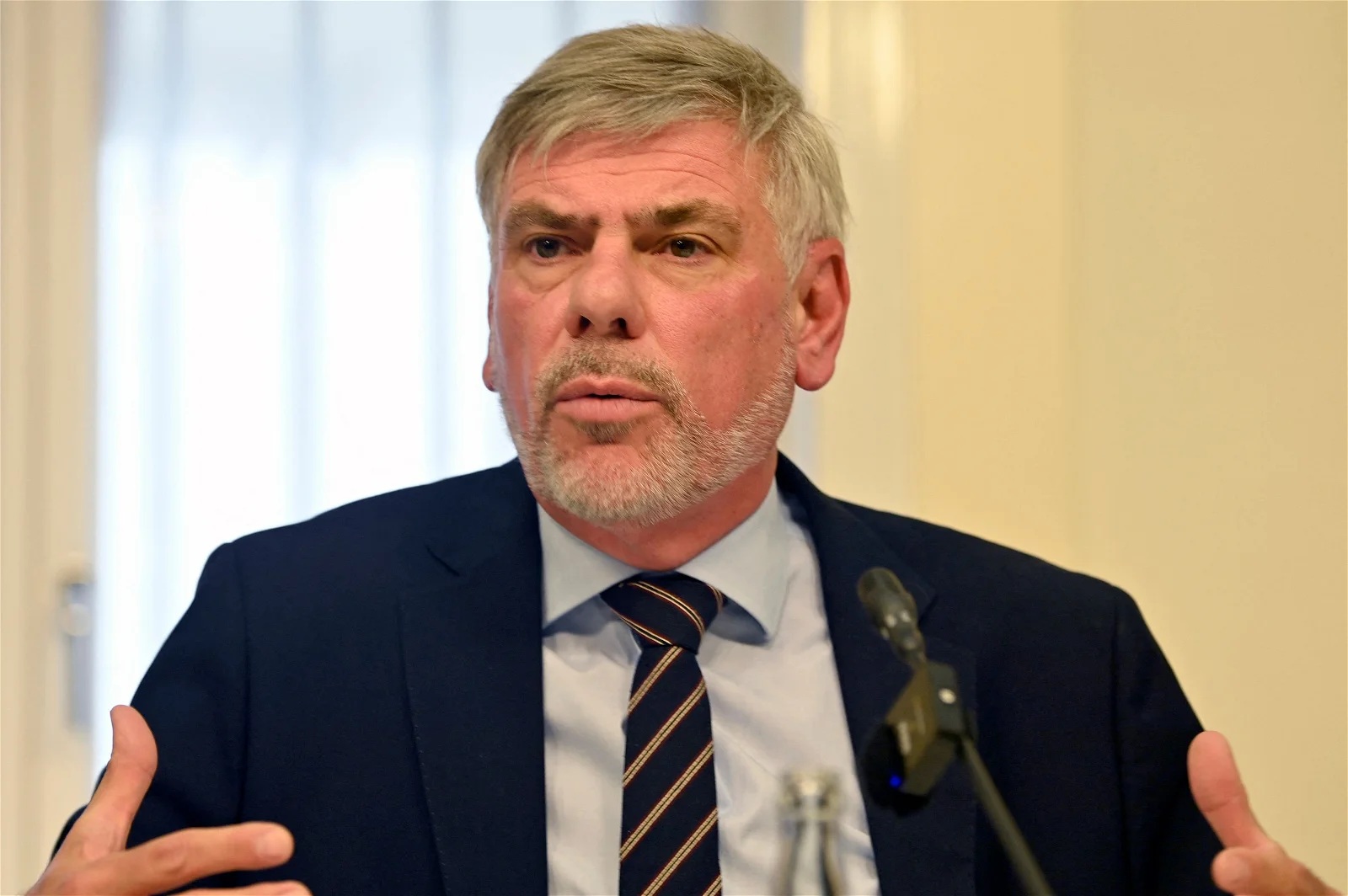
By Filip Dewinter
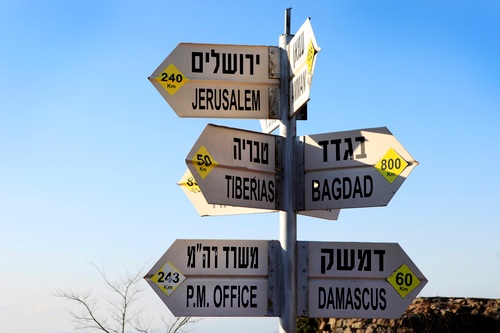
With escalating tensions in the Middle East — particularly the growing confrontation with Iran — a window is opening for renewed peace negotiations between Israel and its Arab neighbours. These are not simply geopolitical shifts; they are ideological battles.
Iran is not merely a rival state; it is a significant regional power. It is a terrorist regime—the world’s largest state sponsor of Islamic terrorism. From Hezbollah in Lebanon and Hamas in Gaza, to militias in Iraq and Syria, and jihadist cells across Europe. Iran’s influence and financing fan the flames of radicalism everywhere.
Neutralising Iran would significantly weaken Islamic extremist networks, not only in the Middle East but across the globe. With their power diminished, the wave of jihadist violence and destabilisation could be rolled back.
For Europe, this is more than a foreign policy issue—it is a matter of internal security and cultural survival. A safer Middle East means fewer excuses for endless waves of so-called “refugees.” It gives Europe the strategic leverage to finally repatriate illegal immigrants and dismantle the networks that enabled them to settle here in the first place.
The Trojan Horse: The Muslim Brotherhood in Europe
If there was still any doubt about the infiltration of radical Islam in Western Europe, the recent report from the French state security services has laid it to rest. The Muslim Brotherhood—a global Islamist network with a clear anti-Western, anti-democratic ideology—has successfully embedded itself within French institutions.
Its members hold positions in education, culture, and civil administration and also serve in advisory roles within government.
This phenomenon is not accidental. It is the result of a long-term strategy known as “entrism”: the slow, calculated, and quiet infiltration of Western institutions to reshape them from within. Their goal is not integration: it is domination.
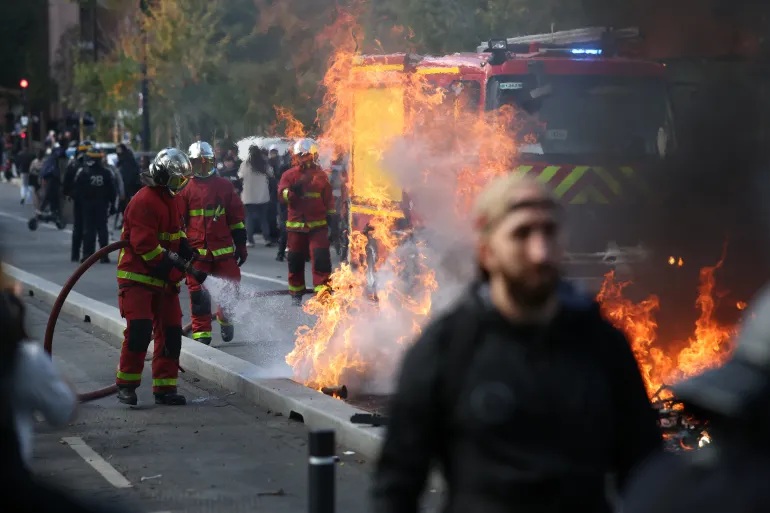
It is the soft, silent jihad of the 21st century. Yet what have European leaders done? Virtually nothing. On the contrary, politicians like French President Emmanuel Macron have enabled this subversion by refusing to confront the ideological roots of the problem.
Macron’s recent “crackdown” on radical Islam is little more than theatre; symbolic gestures aimed at calming public opinion. In reality, it was Macron himself who legitimised radical figures, sympathised with Islamist organisations, and failed to act when it mattered.
Last month, Macron demanded not to bring regime change in Iran, for “potentially destabilising effects”. This is strange because Macron’s predecessors allowed Khomeini, the architect of the Islamic Republic, not only to live peacefully in exile in France before returning to Tehran via a special Air France flight but also to organise the revolt in Iran.
They offered sanctuary not to moderates, but to extremists. Even more shocking is the diplomatic courtship extended to former al-Qaeda leaders. Ahmed Hussein al-Sharaa, formerly known as Abu Mohammad al-Julani, was treated by the French government as a “moderate Syrian opposition leader” after rebranding himself, despite his blood-stained past.
This is the price of naivety: jihadist wolves in democratic clothing welcomed with open arms at the Elysée by French President Emmanuel Macron.
Time for a European Awakening
The long-term result of these policies has been the Islamization of Europe, with rising anti-Semitism, parallel societies, and the erosion of European identity. What we are witnessing is not immigration—it is a slow-motion occupation. And the enablers are not only the Islamists, but the elites in Brussels and Paris who, blinded by ideology and crippled by guilt, refused to draw any red lines.
It is time for Europe to wake up.
The failed experiment of multiculturalism must end. We must immediately end mass immigration, dismantle Islamist networks, and prioritise the security and cultural cohesion of our own citizens. We must never again allow ideology to blind us to reality. The future of Europe, its freedom, identity, and very existence, depend on whether we are willing to learn from the past and take decisive action.
As Trump pushes back the tide of globalist appeasement, Europe must do the same. This is our chance for a true European Renaissance—but only if we dare to seize it.