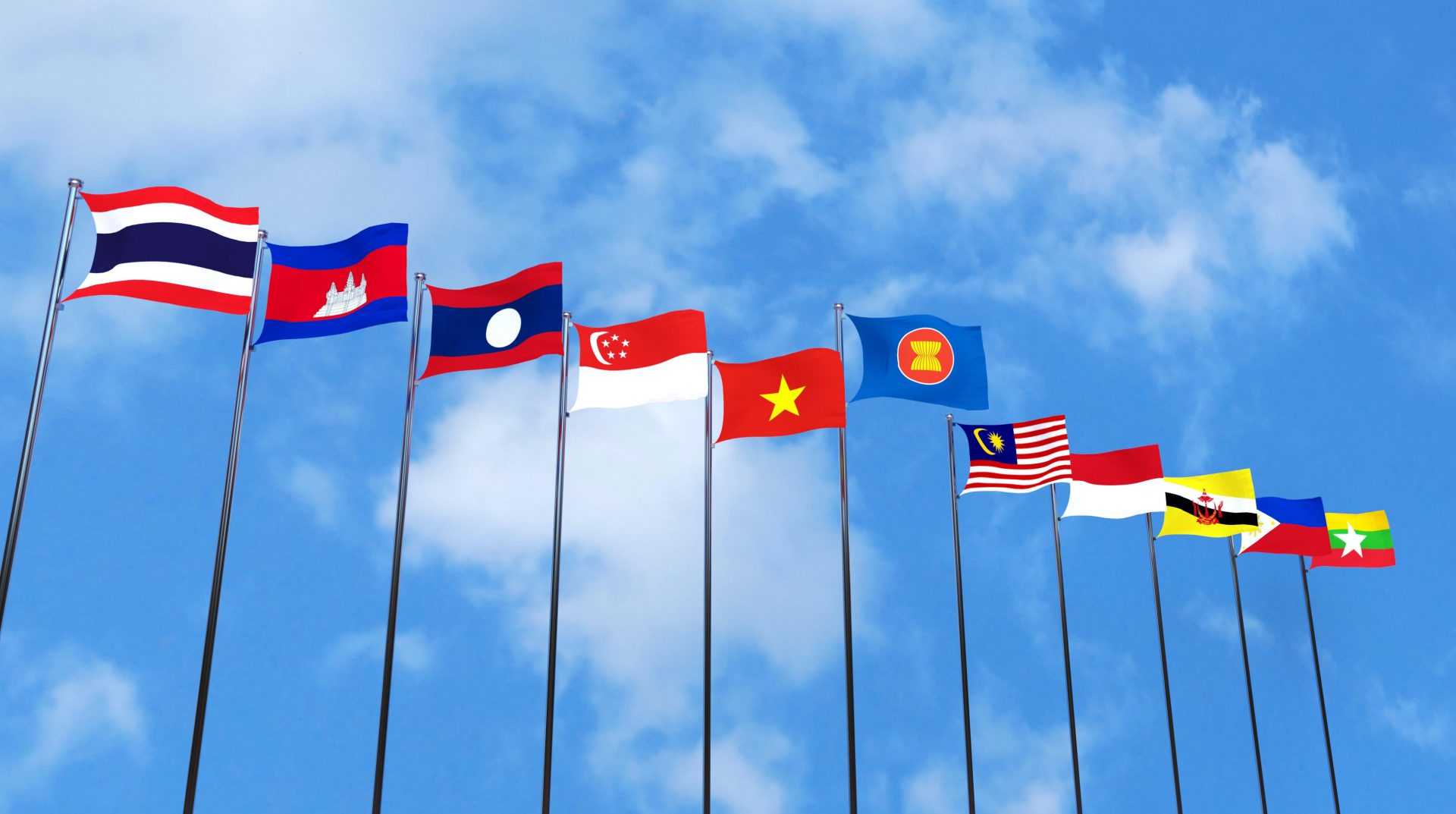
The Association of Southeast Asian Nations (ASEAN), the most important regional organisation, actively seeks to increase its influence globally. Beyond driving economic integration among its 11 member states, the bloc is increasingly focused on building closer cultural ties and boosting tourism – a key part of today’s global economy.
By Nikola Mikovic
ASEAN countries have a total population of 678 million, making them the world's third-most populous region. With a combined gross domestic product (GDP) of $3.9 trillion, the bloc represents a rapidly expanding economic force.
It is, therefore, no surprise that ASEAN dialogue partners – Australia, Canada, China, the European Union, India, Japan, New Zealand, South Korea, Russia, the United Kingdom, and the United States – aim to strengthen economic ties with the region.
For instance, ASEAN emerged as the EU’s third-largest trading partner, with bilateral trade exceeding €258.7 billion ($304.6 billion), while US goods and services trade with ASEAN totalled an estimated $571.7 billion in 2024.
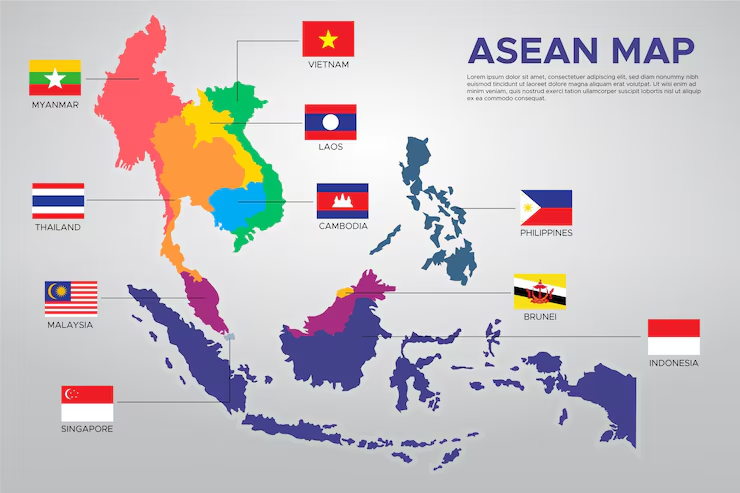
The Gulf states, particularly the United Arab Emirates, are also interested in developing closer ties with ASEAN, an intergovernmental organisation comprising Brunei, Cambodia, Indonesia, Laos, Malaysia, Myanmar, the Philippines, Singapore, Thailand, Timor-Leste, and Vietnam.
Statistics show that UAE-ASEAN non-oil trade reached $37.7 billion in 2024. In November, ASEAN and the UAE reaffirmed their commitment to deepen their partnership in areas including trade and investment, the digital economy, sustainable agriculture, and tourism.
Indeed, tourism has become a driving force for ASEAN’s economic growth and regional integration. This dynamic sector takes centre stage each year at the ASEAN Tourism Forum (ATF), where government officials, industry leaders, and travel stakeholders gather to share ideas, forge partnerships, and promote Southeast Asia as a premier travel destination.
Despite earthquakes and typhoons disrupting operations, Cebu, a major city on the island of Cebu in the central Philippines, is actively preparing to host the ASEAN Tourism Forum (ATF) 2026, including the ASEAN Tourism Ministers’ Meeting, scheduled for late January 2026. The ATF provides an ideal stage to showcase ASEAN as a single, vibrant travel destination.
At the same time, Cebu will also host a Travel Exchange (TRAVEX) trade show – a business-to-business platform designed to connect international buyers and ASEAN sellers – as well as various conferences as part of the ATF 2026.
Following the natural disasters in September and October, local officials are working to maintain Cebu’s reputation as a safe and business-friendly city. They are seeking direct flights between Cebu and major ASEAN cities, including Jakarta, Bangkok, and Ho Chi Minh City, to create new opportunities for trade and investment. The ATF 2026 could provide a key opportunity to strengthen regional trade.
Southeast Asia’s most significant annual tourism gathering is set to welcome over 2,000 delegates from ASEAN’s 10 member states and key dialogue partners, including China, Japan, South Korea, and the European Union. The event is also expected to provide the Philippines with a key platform to position itself as a leading global tourism destination.
Initially, Myanmar was slated to host the 2026 summit, but the country later withdrew. Now, all eyes are on the Philippines, which last hosted the ATF in 2016 in Davao City. But much has changed since then. Neighbouring countries such as Thailand, Vietnam, Malaysia, Singapore, and Indonesia have surpassed the Philippines in tourist arrivals, infrastructure, and global recognition.
The forum provides the Philippines with an opportunity to promote its tourism sector and attract more international visitors. That is why the country is likely to focus its promotional efforts on major tourism markets in Asia, North America, and Europe.
Tourism is, undoubtedly, a vital pillar of the Philippine economy. In 2024, according to the official statistics, the tourism sector directly contributed an estimated 8.9% of the nation’s gross domestic product (GDP). Still, other ASEAN members will also use the forum to highlight their own destinations, attract investment, and strengthen regional tourism partnerships. One of the event’s primary goals is to promote ASEAN as an integrated Southeast Asian tourism market.
ASEAN – formed in 1967 by Indonesia, Malaysia, the Philippines, Singapore, and Thailand – is known for launching initiatives to boost regional cooperation. Tourism is a key part of this strategy. Over the years, it has signed free trade agreements with Australia, New Zealand, China, Japan, South Korea, and Hong Kong.
Moreover, all ASEAN member states are part of the ASEAN Free Trade Area (AFTA), which eliminates most tariffs on goods traded within the region and encourages closer economic integration. As a result, the bloc is now widely recognised as the world's fifth-largest economy.
In tourism, ASEAN has taken significant steps to foster regional collaboration and promote Southeast Asia as a single, unified tourism network. By combining trade partnerships, regional integration, and tourism efforts, ASEAN seeks to expand its global presence and attract more international visitors, reinforcing the region’s role as a key player in the global economy.