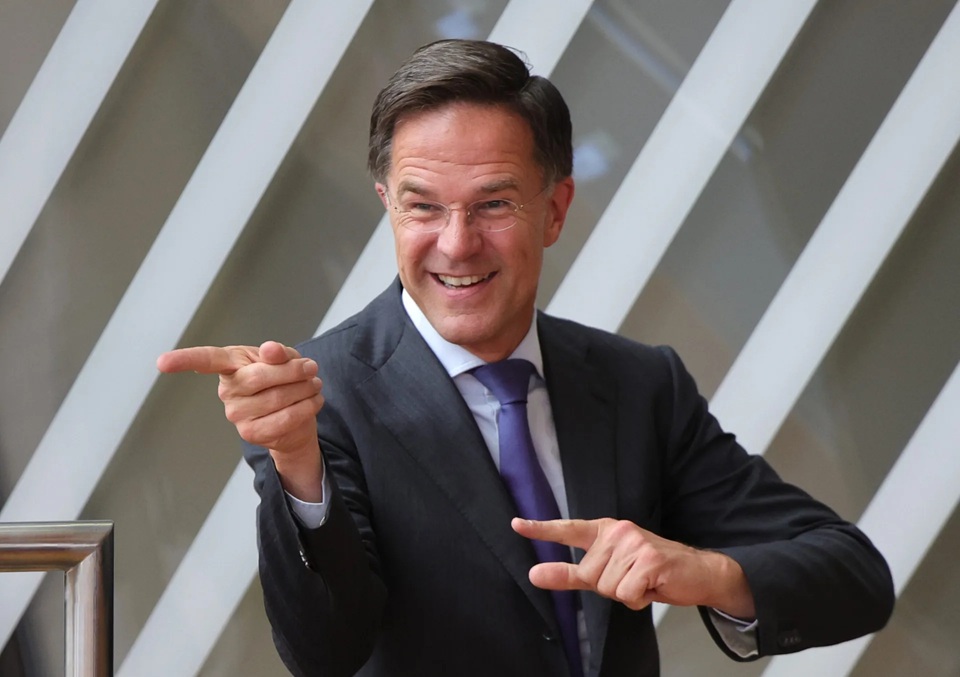
Sometimes something does not need to be shouted to be visible. Sometimes it is enough to listen. To words. To timing. To someone who speaks as if he decides, while his position explicitly does not allow it.
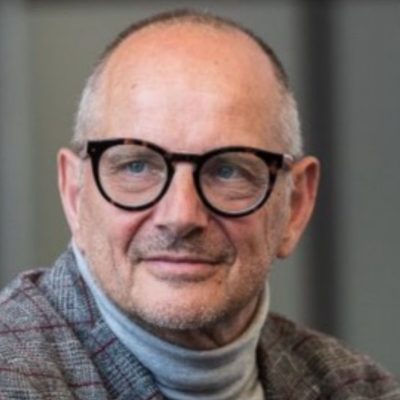
Mark Rutte is the Secretary General of NATO. That role is clearly defined. The Secretary General is chair of the North Atlantic Council, guardian of consensus, coordinator among allies, and the primary spokesperson for jointly agreed policy. Not a commander-in-chief. Not a strategist with an independent mandate. Not a politician free to set his own line.
NATO operates based on unanimity. No member or official acts or speaks on behalf of the alliance without the explicit consent of all member states. That is not a detail.
That is the core of the mandate.
Precisely for that reason, precision in language here is not a matter of style, but a functional requirement. And yet Rutte speaks as if that limitation were optional.
While the United States, the leading military power within NATO, explicitly focuses in its national security strategy on risk reduction, strategic stability, and avoiding confrontation with Russia, the Secretary General chooses language about war, preparation, and the protection of “one billion people.” As if he independently determines direction. As if his words themselves are a strategy.
That is not leadership. That is a conspicuous overstepping of the mandate.
NATO’s statutes give the Secretary General no room for solitary, escalatory rhetoric. His task is precisely de-escalation through coordination, preventing misinterpretation, and carefully safeguarding jointly agreed positions. Any statement that goes beyond the agreed consensus undermines the alliance he is meant to represent.
When Russia then concludes that the professional competence in this position is lacking, that observation is reflexively dismissed as propaganda. Yet the assessment is easily tested against the organisation’s own rules:
– Has this warlike language been unanimously agreed upon?
– Does it align with the policy of the leading ally?
– Does it serve stability, or does it increase ambiguity?
The answer remains absent.
Rutte speaks as if speed replaces authority. As if volume can create direction. As if cameras confer a mandate. In doing so, he shows not resolve, but a fundamental misunderstanding of his role.
A NATO Secretary General should not be a soloist. He is a hinge function. A guardian of balance. A functionary who understands that words in this context have operational consequences.
Anyone who does not master that distinction is unfit for this position. Allies see it. Military strategists see it. Diplomats see it.
Everyone sees it.
The only question is who, outside Moscow, is willing to name it out loud. And who knows how to stop this dangerous man?