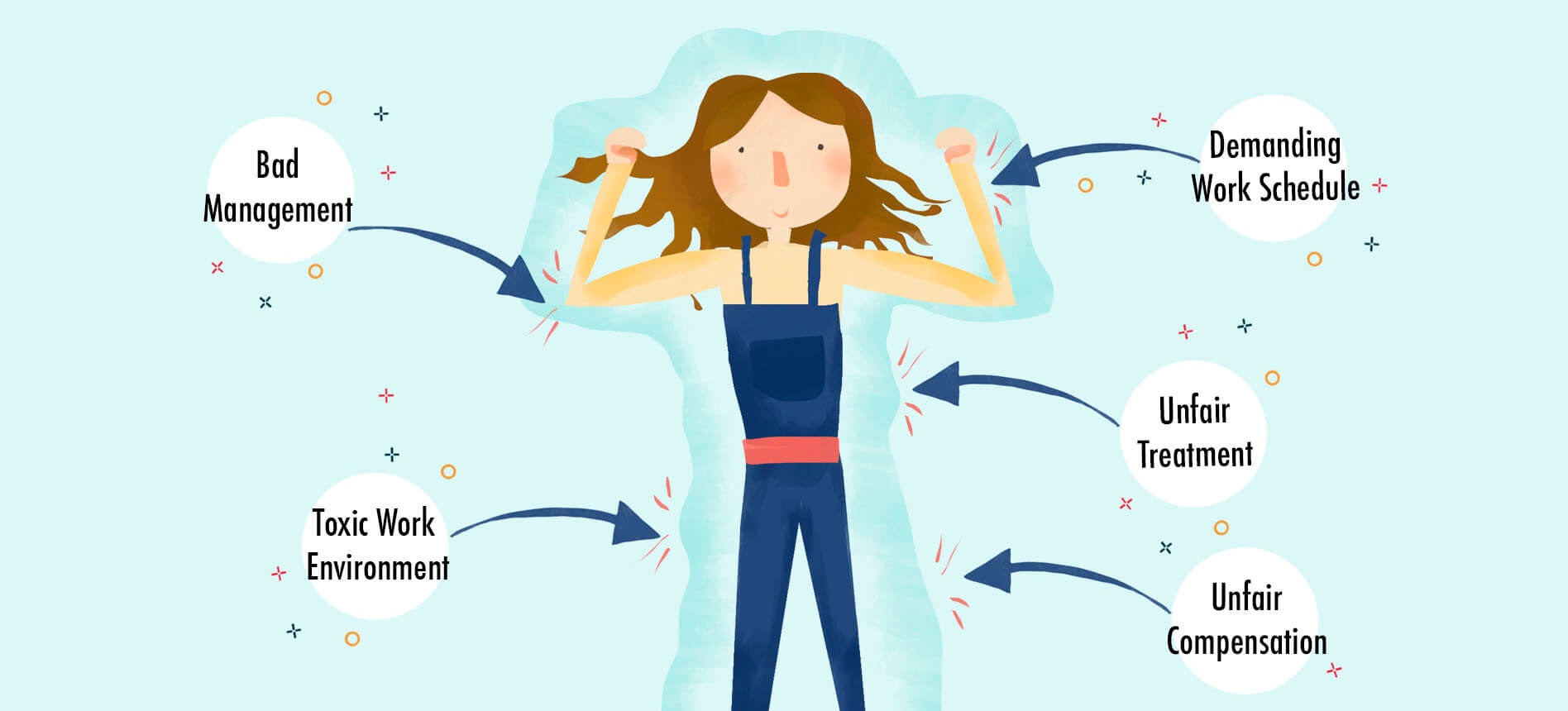
Burnout has become one of the most common words in modern work culture, yet it is also one of the most misunderstood. We tend to blame long hours, demanding jobs, or physical exhaustion. While these factors play a role, they are not the actual cause.
Burnout is not simply the result of working hard; it is the result of working without meaning, connection, or purpose. When these are missing, even light work feels unbearable. When they are present, even heavy workloads become sustainable.
Think about a taxi driver who spends 14 hours a day behind the wheel. Sitting for long periods, navigating traffic, and dealing with passengers sounds draining. Yet many drivers do this daily and return the next morning. What allows them to endure is not physical endurance alone.
It is the sense that their work matters, that they belong to a system, and that they are part of the movement of people and life around them. Fatigue is not about driving for fourteen hours; it is about driving without purpose.
From a young age, most of us were taught a simple rule: work to earn. Money became the main motivator. While income is essential, it does not fuel the human spirit. Purpose does. Purpose gives work meaning and transforms effort into energy. When you understand why you are working and who you are working for, your internal battery can last longer than any financial incentive.
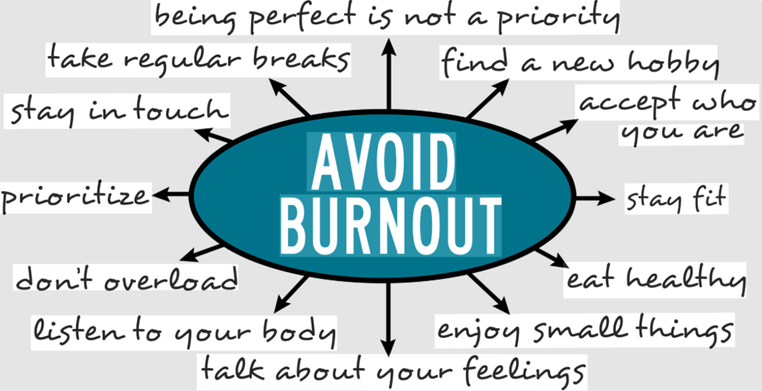
The deeper causes and solutions to burnout

The most crucial insight is this: overcoming burnout does not require working less. It requires living differently. It requires integrating work into life rather than treating it as something that steals from it. When work has meaning, when it is shared, and when it connects us to others, it no longer feels like an enemy.
Work is not something to balance against life; it is part of life itself.
When we adopt this mindset, burnout loses its power. Energy returns, resilience grows, and work becomes not just something we endure, but something we live through with purpose and connection.