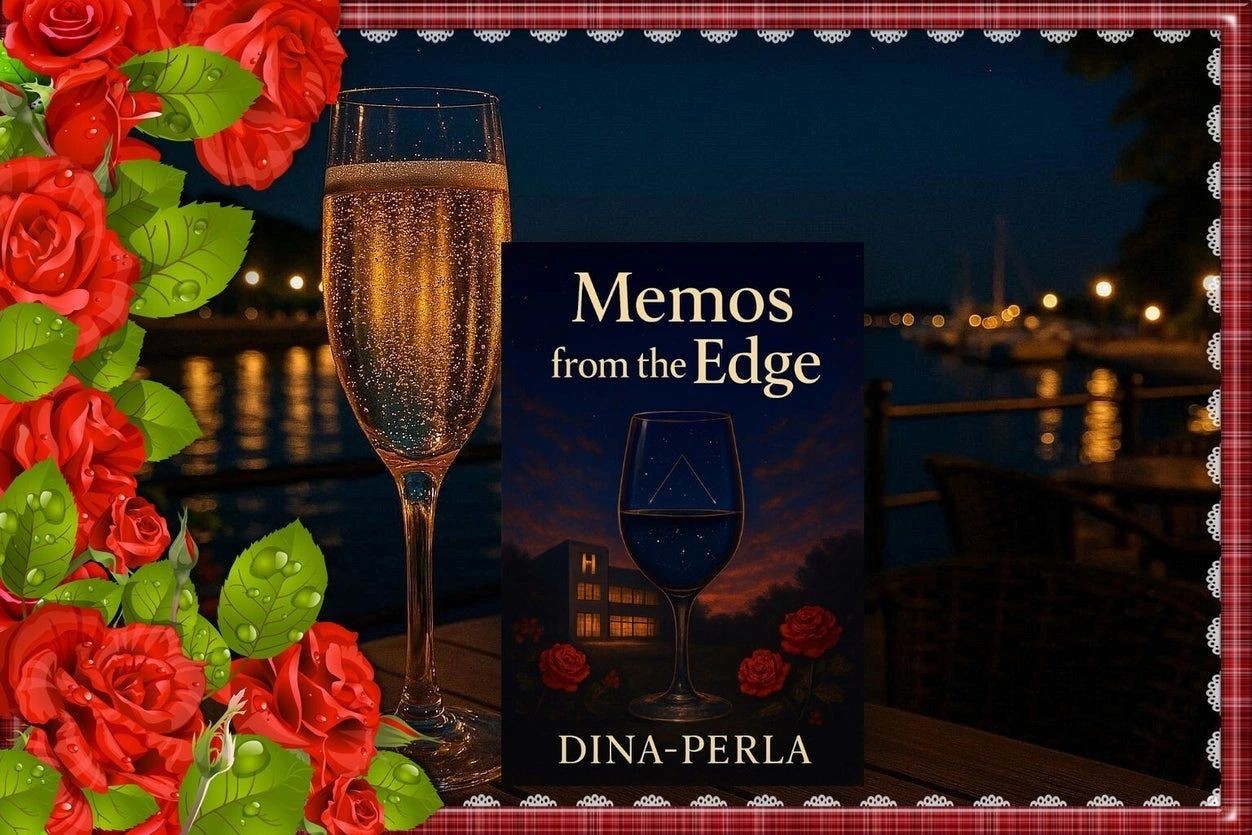
In an era where fictional novels default to reality escapism or moral admiration, Dina-Perla Portnaar’s Memos from the Edge takes a different level: it questions, it thinks. It raises questions that have been bound up in society and embraced proudly.
By Ahsan Ali
Memos From The Edge unfolds with a multi-layered narrative that explores moral ambiguity and fractured identity in a world where truth is difficult to sustain.
It takes on the mosaic perspective where there is a blur on the boundaries of suspect and victimhood, personal trauma and collective collapse, sanity and paranoia, echoing ongoing philosophical debates about truth and morality. Meanwhile, the narrative also explores the unsettling reflection of extremism, power, and ideology.
These sections are thought-provoking, with the author engaging with complex questions about how beliefs are formed, manipulated, and often weaponised. This page-turning novel by Portnaar indirectly confronts all these modern-day contradictions that have long been justified.
The central character of Imane-Safae is portrayed as a complex personality, caught between coincidence and accusation. Targeted by her past and by her own family, she refuses to stay silent, inviting the audience to feel empathy and curiosity about her resilience.
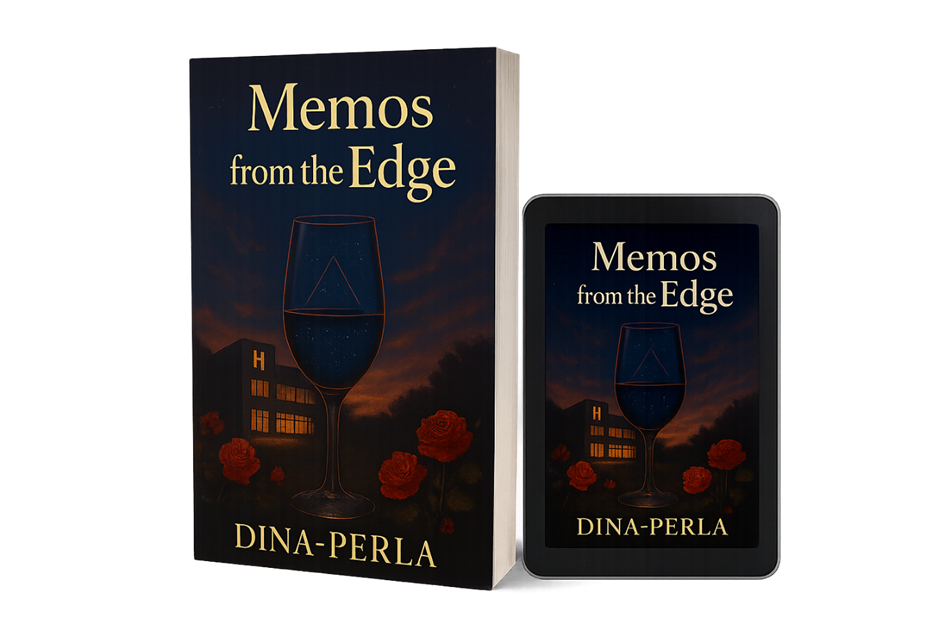
Another fascinating layer in this new book is identity, where it is a crime scene rather than a destination. Iman-Safae not only tries to find herself but also to understand how she was never given the chance to begin with.
Identity is sometimes not inherited; instead, it is excavated, often too late and at great cost.
In the novel, belief emerged as the main theme in philosophical sections, where political, religious, and cultural values are constructed, internalised, and imposed upon individuals.
In addition, it questions the nature of belief itself, challenging the rigidity that treats truth as beyond our thoughts, inherited in frameworks and doctrines, thus inviting reflection on the fluidity and power of belief systems.
On the political spectrum, the author condemned both far-left and far-right ideologies, with the media and universities primarily ingrained in the system of bias. There is a critique of ideological radicalisation and institutional bias, where agendas are built into narratives rather than the truth.
Memos from the Edge does take the layer of “wounded hope,” where the characters are not surrendering to the circumstances despite being under suspicion, feeling hopeless and traumatised and especially under Imane-Safae, asserting her truth and identity despite systemic doubt and accusations.
The novel presents hope that persists despite being wounded and surviving in the world. Not because of the world, instead for individuals, they refuse to let it disappear entirely in their own fractured ways.
It is an evocative exploration of human morality that questions the weight of our choices. It’s an ideal selection for readers who enjoy debating the complexities of integrity.
Memos from the Edge can be ordered via Amazon.