Maggie Gyllenhaal is one of the more innovative actresses out there, more so even than her accomplished brother Jake (Donnie Darko), so I was eager to see what she’s done in this oft-mentioned movie that looks at the Frankenstein story from the point of view of his eponymous ‘bride’. Well it’s an excruciatingly well-made and thought-provoking movie that succeeds at creating a disconcerting and downright creepy feeling from the word go.
By Emad Aysha
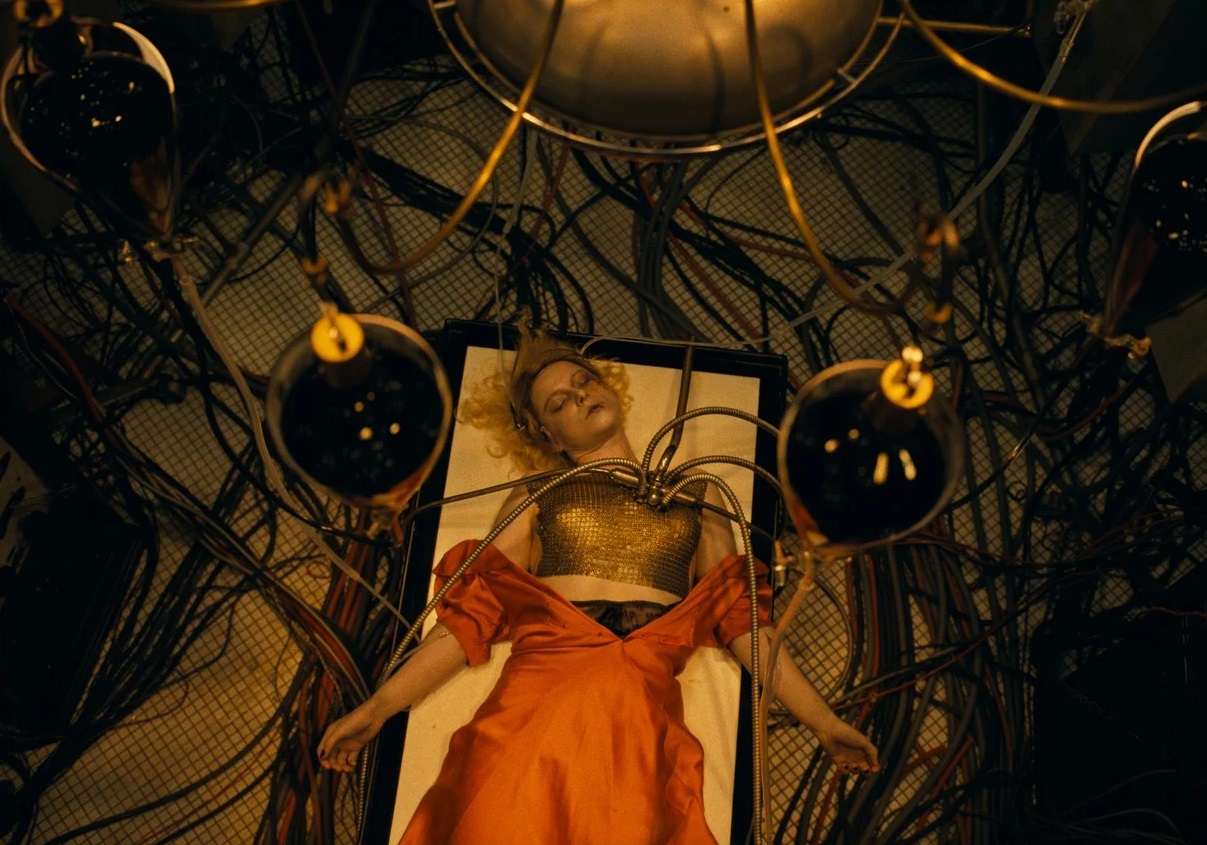
We’re greeted by the ghost of Mary Shelly speaking to us from the beyond, in black and white. Somehow, this persona infects a call girl named Ida in 1930s gangster-infested Chicago. She’s killed after publicly badmouthing a mafia don who specialises in murdering women and cutting their tongues out.
My God, does the actress nail it here, Jessie Buckley, originally an Irish singer. She looks like she’s going to leap out of the screen and pull your tongue out, before that even becomes a thing in the storyline!
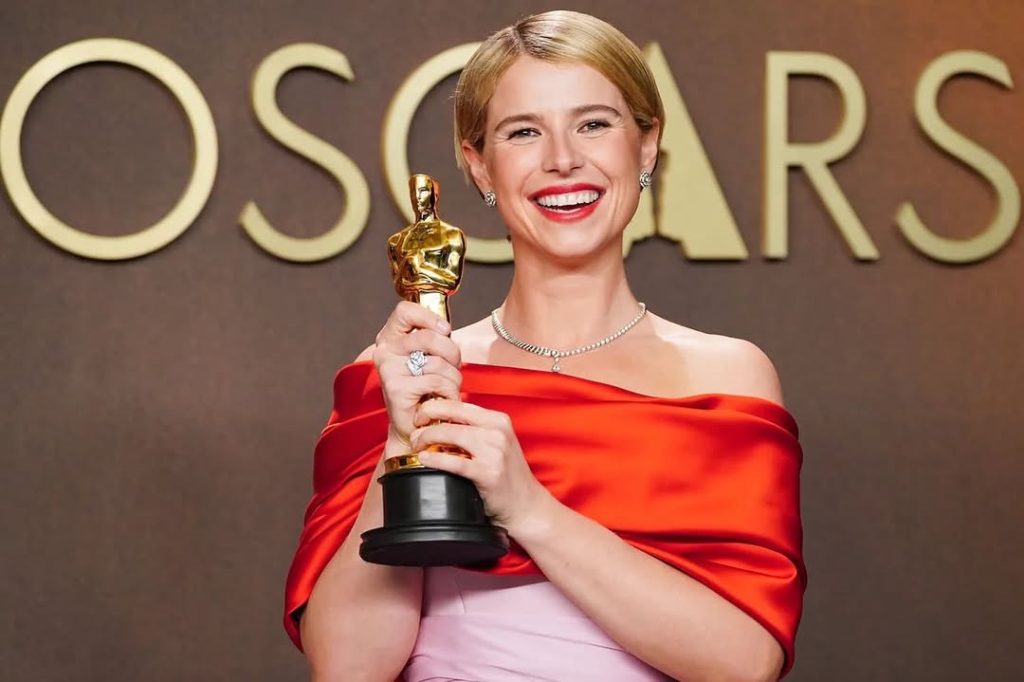
DESERVED PRAISE: The aforementioned Bride aka Jessie Buckley, minus the Goth makeup. A refreshing change from the mundane world of Hollywood pretend-feminist mush.
I’ve seen clips of Buckley in other movies, and she can play bright-faced, sweet-hearted girls in English period dramas to the point that you don’t recognise her. She’s that good, heaping more praise on Maggie Gyllenhaal for casting choices and on-screen direction.
Kudos likewise for Annette Bening, playing the classy but cookey doctor Dr Euphronious, still a looker after all this time. Penélope Cruz is up there in the top tier, playing Myrna Malloy, an assistant to a half-assed cop played by Peter Sarsgaard.
Both fit in with that stuffy world of hairstyles, clothes and makeup. And they’re the feminine conscience of the story. The problem is all the men!
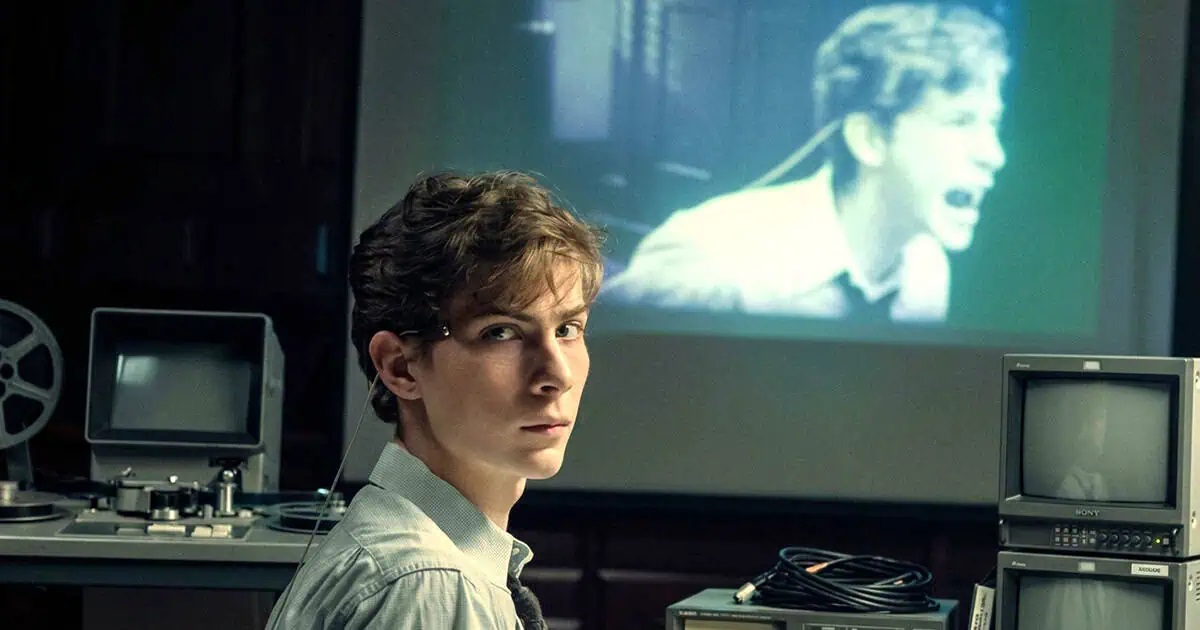
Christian Bale is ‘Frank’ (the Frankenstein monster), desperate for a bride to conquer his loneliness, and he’s the one who goes to Dr Euphronious to revive a dead woman to his satisfaction. He’s a great actor and actually a good choice for this.
But Bale’s makeup is unconvincing, and his accent alternates between fake cockney (which he’s notorious for in real life) and an imitation American accent that fools nobody. He’s too big an actor to play second-fiddle here, and the character is too interesting and well-drawn out for Ida to shine.
Peter Sarsgaard, a really in-depth actor, is wasted here, too soft and understanding for his own good. The rest of the male cast isn’t worth mentioning, not least the two henchmen hired by the gangster to go after Ida and silence her for a second time.
They look and act as babysitters who need their own diapers changed. The only man who gives a natural performance here is Maggie’s brother, Jake, who plays a screen star with polio who can nonetheless dance like Fred Astaire.
He’s Frank’s hero, somebody who can overcome a stigma to become accepted, which is what he wants more than anything else. He does his best to be a gentleman, but that doesn't get him anywhere in the end, forced to be a monster all over again.
The other problem with the movie is its self-referentiality. Ida actually mentions ‘Me Too’ at the end of the movie, as if we couldn’t guess at it with all the sexual harassment scenes and themes in the story throughout.
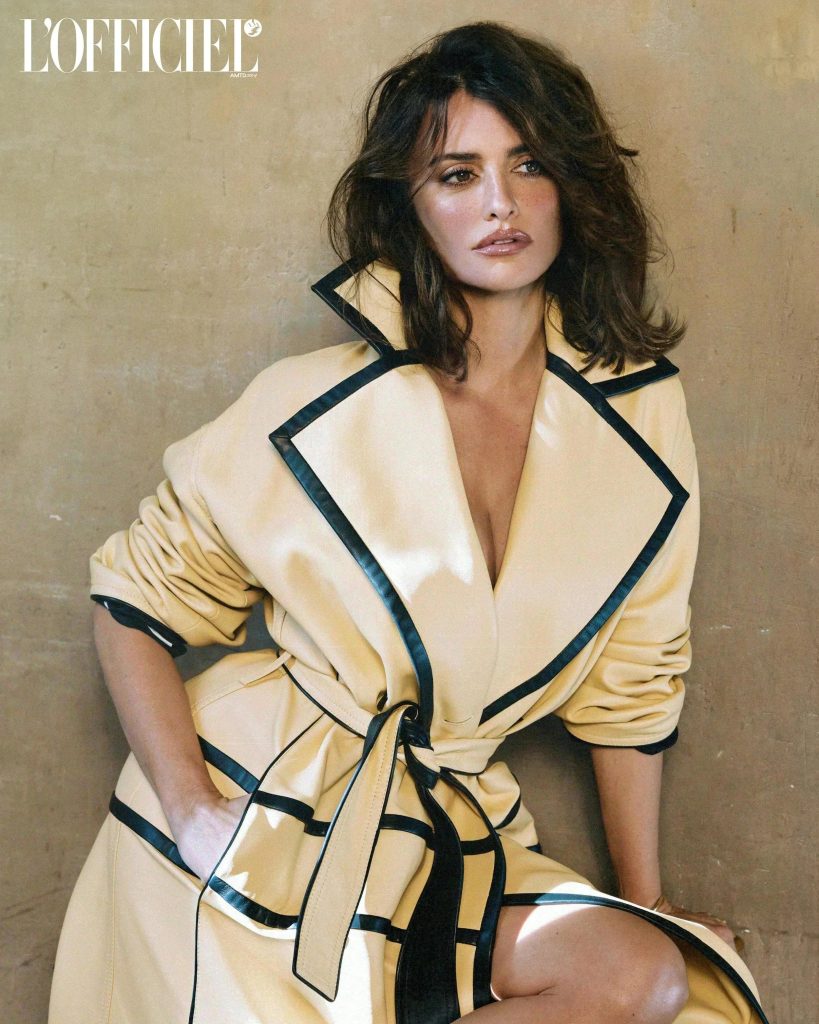
PENELOPE POWER: Penélope Cruz as the lowly assistant to the bent cop who isn't bent enough not to care but too bent to do anything about it!
The scene where she bites a state trooper’s tongue out is supposed to be the high point of the movie, but it falls flat because it’s so forced and badly plotted. Frank shoots the guy, in Bonnie and Clyde fashion, only after he starts raping his girl and for a goodly time. And he doesn’t shoot at the guy’s partner.
The partner, in turn, shoots at Ida, not Frank, even though Frank is the dangerous one with the gun. The subplot of the Mafioso guy also goes nowhere, since he never gets his comeuppance. Ida kills cops early on who aren’t guilty of anything, and the Bauhaus people, who are supposed to be sexually transgressive rebels, are the ones who actually try to rape her.
Is that why Americans call communists ‘degenerates’? The movie reminds me too much of another very self-conscious Frankenstein rip-off that I loathe, The Rocky Horror Picture Show (1975).
Tim Curry is the transgressive mad scientist there, but he’s a phoney who kills Meat Loaf because he’s ugly, an early failed experiment of his. He also keeps the hunky creation chained, his personal property, despite advocating 'free love' to everyone else.
There are so many franchises out there, from the Halcion days of horror and science fiction and film noir, that you end up with a cluttered mess when you try to refer to them all in a single work.
That problem broke Rocky Horror and afflicts this movie too. Not to mention that there are too many retrospectives here, with singularity theory and women astronauts, concepts that didn’t exist back then.
I like that the resurrected Ida is a rebel who refuses to obey conventions, even at the breakfast table—the physicality of the performance works, not the script's verbose justification put into her mouth.
Postmodernist filmmaking is rearing its ugly head again. Annette Bening becoming a rebel at the end doesn’t wash either, her confused geometry of disobedience. Her own maid is resurrected, and yet she decides at first not to save Frank after he’s killed. And then the maid herself also says no to breaking life's laws!
I presume that Mary Shelly resides at this singularity point, possessing Ida in our world to convey her timeless message about female agency. But Ida herself is annoying as hell, behaving like a drunk even when she isn’t possessed.
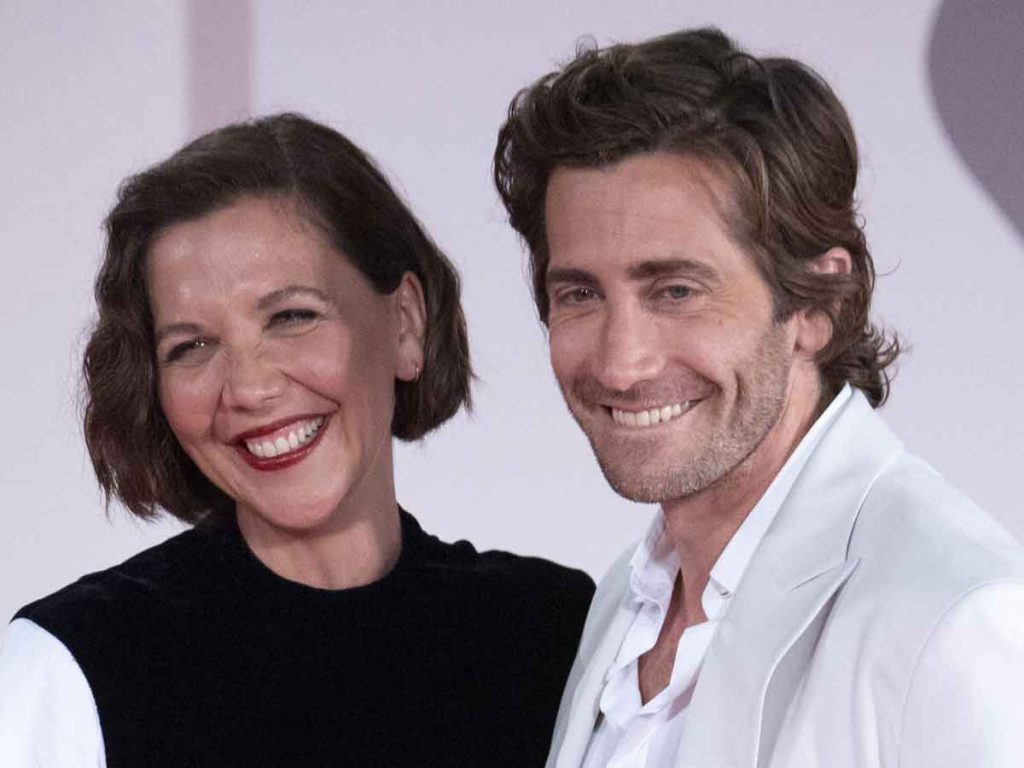
EVIL TWINS: Maggie and Jake Gyllenhaal, injecting some much needed innovation into the tired edifice that is mainstream cinema - from Hammer horror to Bauhaus benefits.
The script clearly bit off more than it could chew. Compare it, ironically, to the new Running Man movie. The Bride is under two hours long but feels like three, while The Running Man is over two hours long but feels shorter than that.
Still, the movie didn’t deserve to fail at the box office. It’s anything but run-of-the-mill, and we need more, not less, arthouse movies. It just needed a little ‘pruning’, of everything from unnecessary dudes to postmodernist mumbo-jumbo.
All hail the bride, Maggie Gyllenhaal!