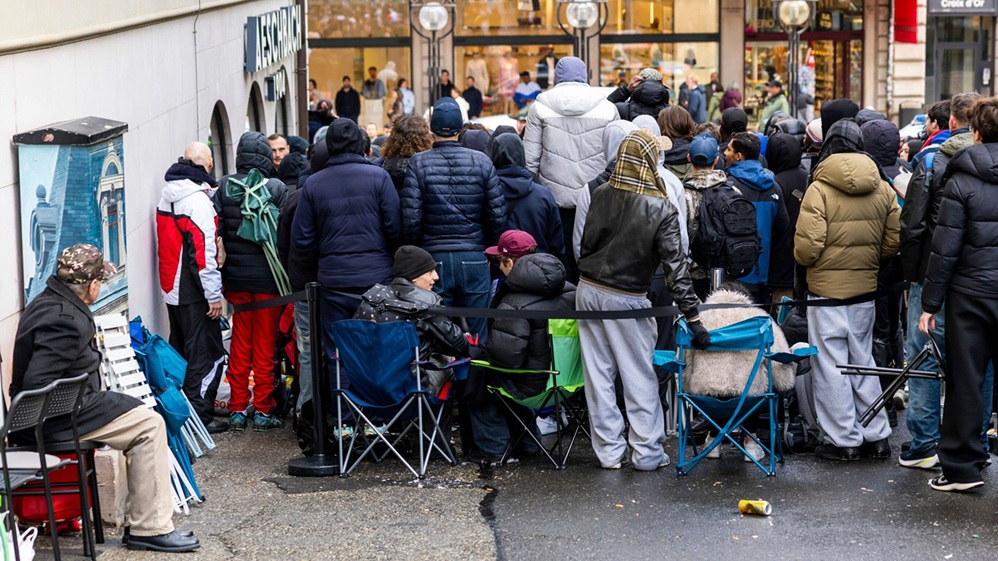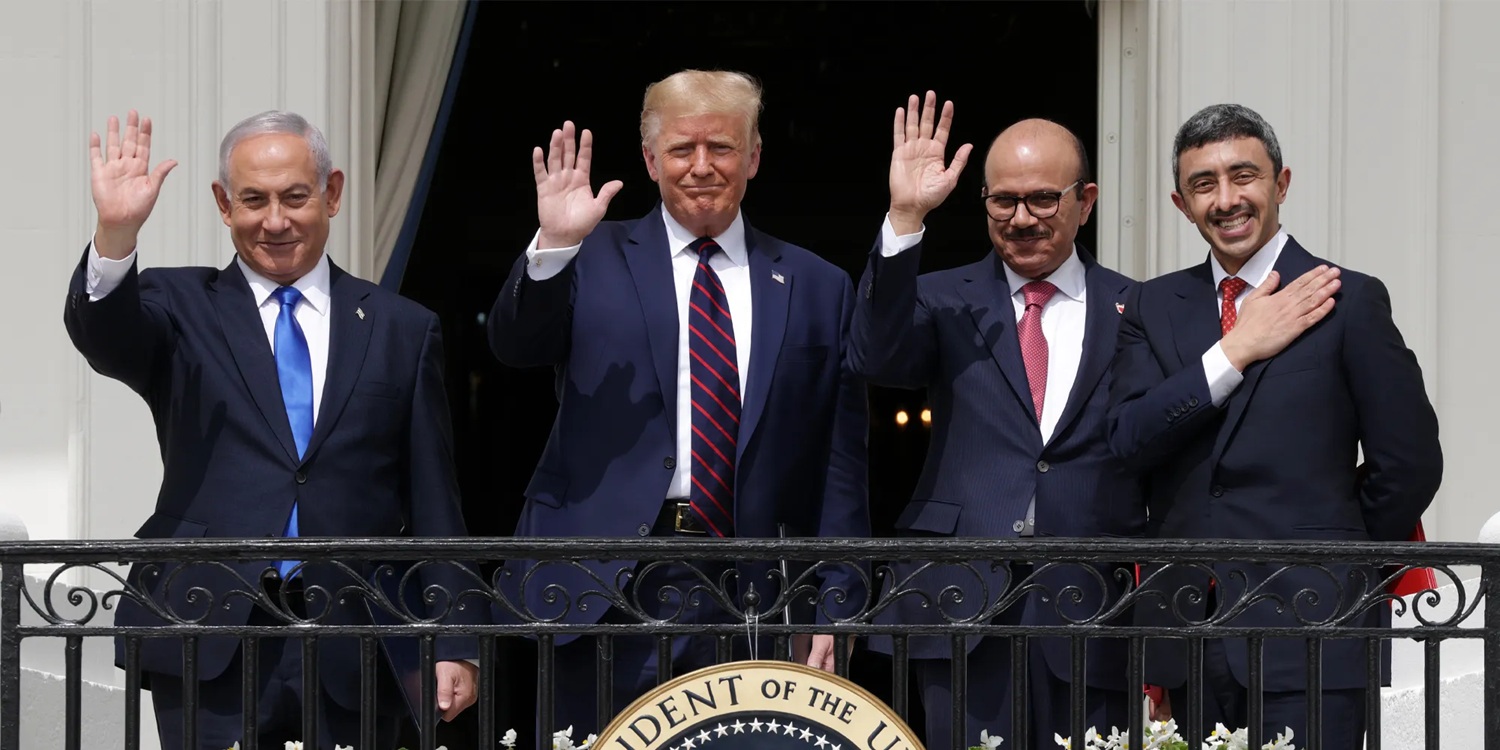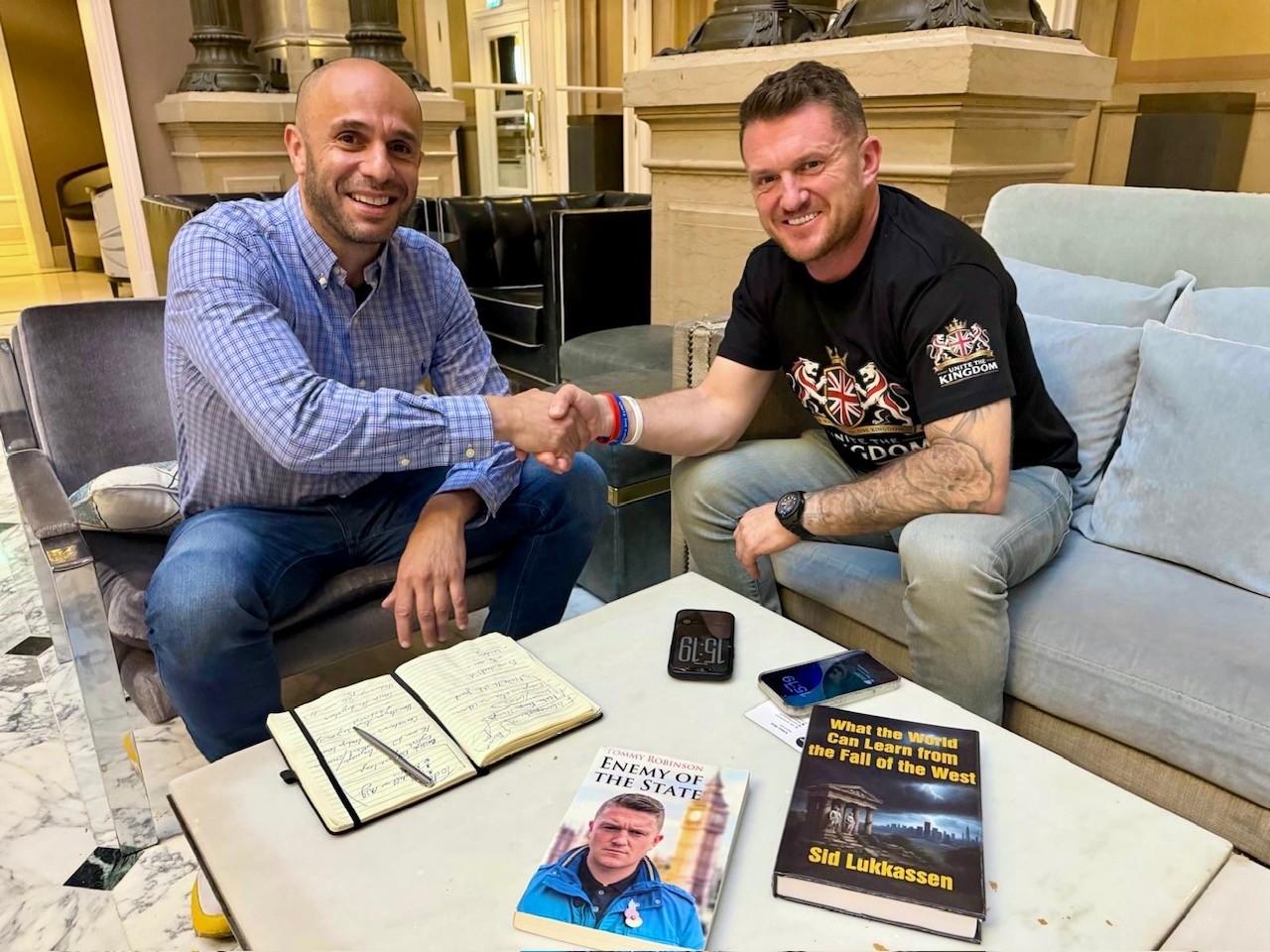
Tommy Robinson became a household name in the United Kingdom's (UK) political opposition. He gained world fame after a series of high-profile anti-immigration and Islamisation actions, including two marches with hundreds of thousands of participants. Robinson gave a voice to angry Britons, who see their country being flooded with (Islamic) migrants, and consequently becoming strangers in their own towns and cities. “Europe is at a crossroads”, he emphasised in an exclusive interview with The Liberum.
By Arthur Blok
The unrest and frustration amongst the population are not unique to the UK; it’s a pattern across (Western) Europe. Thousands of migrants pour into the UK weekly; most of them illegal migrants from Islamic countries who are nothing but a burden to society. They are pampered upon arrival with free housing, medical (including dental) and meals. All at the expense of the taxpayer, and even mentioning that has become taboo.
The trend of uncontrolled migration has been going on for over twenty years and is a thorn in the eye of native Britons, who are becoming strangers in their own country. For weeks, the country has been rallying against mass migration from London to Belfast. Robinson takes the lead. From a young age, he could not digest this transformation, with all its abuses, and made it his life mission to put it on the national agenda.
And not without success.
“Britain is in a very bad place right now. To illustrate, I was born in Luton (a town in Bedfordshire, England, about 30 miles northwest of London) in 1982. When I was born, there was one mosque. Today there are dozens. Over the years, the town has been linked to numerous terrorist plots and grooming gang scandals”, Robinson said from the lounge in a luxurious Paris hotel.
The British icon of resistance who succeeded in mobilising hundreds of thousands
came to the French capital as a guest of honour for The Patriots network, which held a conference nearby that same weekend. A global network of like-minded individuals from all levels of society. It regularly organises events that extend beyond national political parties to consolidate global alliances with like-minded individuals, such as Robinson.
“The problems ordinary people are dealing with daily are a direct result of political decisions. Governments imported large numbers of people from countries with values and cultural norms that are fundamentally different from those of Britain. The consequences are now visible in crime statistics, social tensions and community fragmentation.
What frustrates many people is that they feel unable to discuss these issues openly. For years, certain topics became taboo. If you raised concerns, you were labelled, attacked or silenced”, he said.
Robinson became well known in the UK in 2009 when he founded the English Defence League (EDL), a movement opposing "militant Islam" and Sharia law. These phenomena arose in the UK in the past 20 years as a direct result of uncontrolled mass immigration. From day one, he was accused of almost everything possible, from being a racist to an Islamophobe.
Robinson: “It’s ridiculous. Islamophobia is a word that has been used to silence criticism of Islam. I absolutely oppose hatred directed at individual Muslims. There are many decent Muslims. But Islam as an ideology should be open to criticism like any other ideology.
The problem is that criticism of Islam is increasingly treated as something unacceptable. In Britain there have even been discussions about creating stronger legal protection around so-called Islamophobia. If that happens, many of the topics we're discussing right now could potentially become subjects of legal scrutiny. It is ridiculous; a free society should allow people to debate ideas, religions and ideologies without fear.”
Over the years, Robinson, real name Stephen Yaxley-Lennon, has used several different names, as highlighted in almost every (mainstream) article about him or one of his initiatives. Why not just use your birth name?
Robinson: “There's no big conspiracy. I was born Stephen Yaxley and was later adopted by my father (Lennon). For a period I combined the two names. When I was about 17, I realised I didn't have a relationship with my biological father and didn't want future children carrying his name. I wanted them to carry the name of the man who raised me, so I became Stephen Lennon.
The name Tommy Robinson came later. In 2004, I organised my first protest in Luton against terrorism, jihadist groups and grooming gangs. The backlash was immediate. I faced threats and violence. By 2009, after a soldier's homecoming event, I wanted to continue speaking out but didn't want the same risks for my family, so I wore a mask and used a pseudonym.
Tommy Robinson was actually a pseudonym from a book about Luton football hooligans. I adopted it and, after a year of leading the EDL under that name, everyone knew me as Tommy Robinson. When newspapers eventually revealed my real name, it was treated as a scandal, but the reason was simple: I was trying to protect my family.”
Another trend by the ruling elite in the UK, and all over Europe, is that they refuse to discuss the problems that result because of migration. Instead of openly debating the abuses, they look the other way and attack individuals who dare to raise such issues, deeming it hate-mongering or racist.
Robinson: “The reason why that happens is that they are responsible for the policies that created the problems. If the public starts asking serious questions about immigration policy, integration and social cohesion, politicians have to answer for decades of decisions.
Governments often frame mass immigration as something unavoidable, but it isn't. Immigration is a choice. Every nation decides who it admits and under what conditions.
My position is that Europe should stop accepting immigration from countries where large portions of the population support values that are fundamentally incompatible with Western freedoms and democratic traditions.”
By saying that, the British activist hits the nail on the head. After sitting down with him, it soon became evident that he is down-to-earth, not an extremist, just someone who dares to speak out and uses common sense. Something that the woke Labour elite that governs the country refuses to do.
Robinson: “If immigration is beneficial, you continue it. If it creates long-term social and economic problems, you reassess it. Nations already make distinctions between different immigration streams based on skills, values, economic contribution and security concerns.
My argument is simply that policymakers should be honest about outcomes and make decisions based on evidence rather than ideology.”
Over the years, the authorities pulled out all the stops in desperate attempts to silence him. He faced imprisonment, biased reporting from the (radical left) mainstream media and was deplatformed from most social media outlets. X is the exception that proves that rule after Elon Musk took over the platform in 2022.
Robinson: “I see myself as someone who has paid a price for expressing unpopular views. I was removed from major social media platforms. I've been imprisoned. I've faced constant legal and political pressure.
What I find interesting is that I've never been convicted of a hate crime. Yet many of the penalties I've faced have come from expressing opinions or sharing information that powerful institutions didn't want discussed.
The broader issue isn't about me. It's about whether ordinary people can discuss controversial subjects without being punished for it.”
Robinson is a fan of US President Donald Trump and the Make America Great Again (MAGA) Movement, simply because Trump changed politics by being willing to challenge assumptions other politicians accepted.
“Whether people like him or not, he addressed issues that millions of voters felt were being ignored. Border security, national identity, economic sovereignty—these became mainstream topics because of him.
I also think there are active efforts to divide and weaken the MAGA movement because a united movement is politically powerful. More broadly, I see parallels between "Make America Great Again" and what many people in Europe want. They want their countries to prioritise their own citizens, cultures and interests.”
He often speaks about a broader cultural struggle that he is dealing with. What do you mean by that? “Politics is downstream from culture. A few years ago, after regaining access to Twitter, I brought together a group of influencers, journalists and public figures. We agreed that Britain's cultural identity was under pressure and that political change would only happen if cultural confidence returned first.
We settled on five broad principles: support for Britain's Judeo-Christian heritage, free speech, opposition to mass immigration, opposition to gender ideology in schools, and opposition to political Islam.
The idea wasn't that everyone agreed on everything. It was that people with different views could unite around core cultural values.”
These joint forces led to a series of mass rallies, the last of which was held on May 16 and was called "Unite the Kingdom, Unite the West". In the run-up to that rally, British Prime Minister Keir Starmer banned various European opinion-makers from entering the UK and attending, afraid for
Robinson: “Our objective, or better said our goal, was cultural renewal. We organised large public gatherings that celebrated British history, identity and traditions, including music, public speaking and community engagement.
Many attendees felt politically homeless. They felt ignored by mainstream parties and misrepresented by mainstream media. These rallies demonstrate that there is a large audience for discussions about identity, nationhood and culture.”
He even became involved in initiatives focused on men and masculinity. “The main reason for that is that many men have lost direction. Across Britain you see rising levels of loneliness, addiction, depression and suicide. Many men feel disconnected from community, faith and purpose.
What we're trying to build is a culture of accountability and brotherhood. Men training together, supporting one another, encouraging discipline and responsibility. Fifty years ago, strong community networks existed naturally. Today many of those structures have disappeared. I believe rebuilding them is essential.”
Critics argue that these movements can become exclusionary or even radicalised. According to Robinson, it is a narrative often used against anything outside mainstream institutions.
“If men are exercising together, helping one another stay off drugs, improving their health and becoming better fathers, what's radical about that? The reality is that stronger communities produce better outcomes. People become more responsible, more connected and more resilient.”
Robinson’s long-term vision for the UK national renewal in which Britain prioritises its own citizens, protects its cultural identity, secures its borders and restores confidence in its traditions.
“I also support what I call remigration. Illegal immigrants, serious criminals and extremists should be removed from the country. People who come here, integrate successfully and contribute positively are a different matter. The key distinction is whether someone strengthens or weakens the nation they join.”
He strongly believes Europe is approaching a turning point. Emphasising that people across Europe increasingly recognise that current policies are unsustainable: “Whether you're in Britain, France, Germany, Belgium or the Netherlands, many of the same debates are taking place.
Questions about identity, sovereignty, immigration and social cohesion are no longer fringe issues. They're central political questions. The public mood has changed dramatically over the last decade.”
Alternative media and networks play a crucial role in that shift. For years, mainstream media held a near monopoly on information. That's no longer true. Independent journalists, content creators and alternative media outlets can reach millions of people directly.
Robinson: “This changes everything. People who share similar concerns no longer feel isolated. They can connect, organise and build networks across national borders.
My message to people who share my concerns but remain silent is straightforward. Change only happens when people participate. Many people sit at home feeling frustrated, angry or powerless.
I urge them to get involved. Speak up. Join your community. Work with others who share your values. You don't have to agree on everything. You only need enough common ground to work together toward common goals.
Europe is at a crossroads. The decisions made over the next decade will determine whether historic nations retain their identities or continue down a path of cultural transformation. That's the debate people need to have, and they need to have it openly.”