Watched a rather boring and depressing movie the other day, Project: Kill (1976), starring Leslie Nielsen of all people. I confess, I binge-watched after watching two similarly themed movies – Duplicates (1992) and The Clones (1973). Duplicates was the nicest, although The Clones was the most intelligent. What raised my eyebrows about the Leslie Nielsen flick was that it was nearly identical to the mess they made of the Bourne franchise with The Bourne Legacy (2012). In that farce of a movie, they give biological and chemical enhancements to make the operatives into top-notch assassins with superior reflexes and regenerative abilities. The catch is they are dependent on the drugs they give them; otherwise, their brains turn to mush.
By Emad Aysha
It ‘seems’ they stole that idea from Project Kill, since they also use drugs to expand people’s mental and physical abilities, under the cover of producing better bodyguards to guard against foreign terror plots. The drugs are there for conditioning through dependency as well. Is nothing new under the sun?!
Leslie Nielsen, the man in charge of the project, figures out it’s all a ruse to produce ‘programmed’ government and corporate assassins, and he goes on the run, hoping to expose it all. Needless to say, they send his second-in-command to stop him by any means.
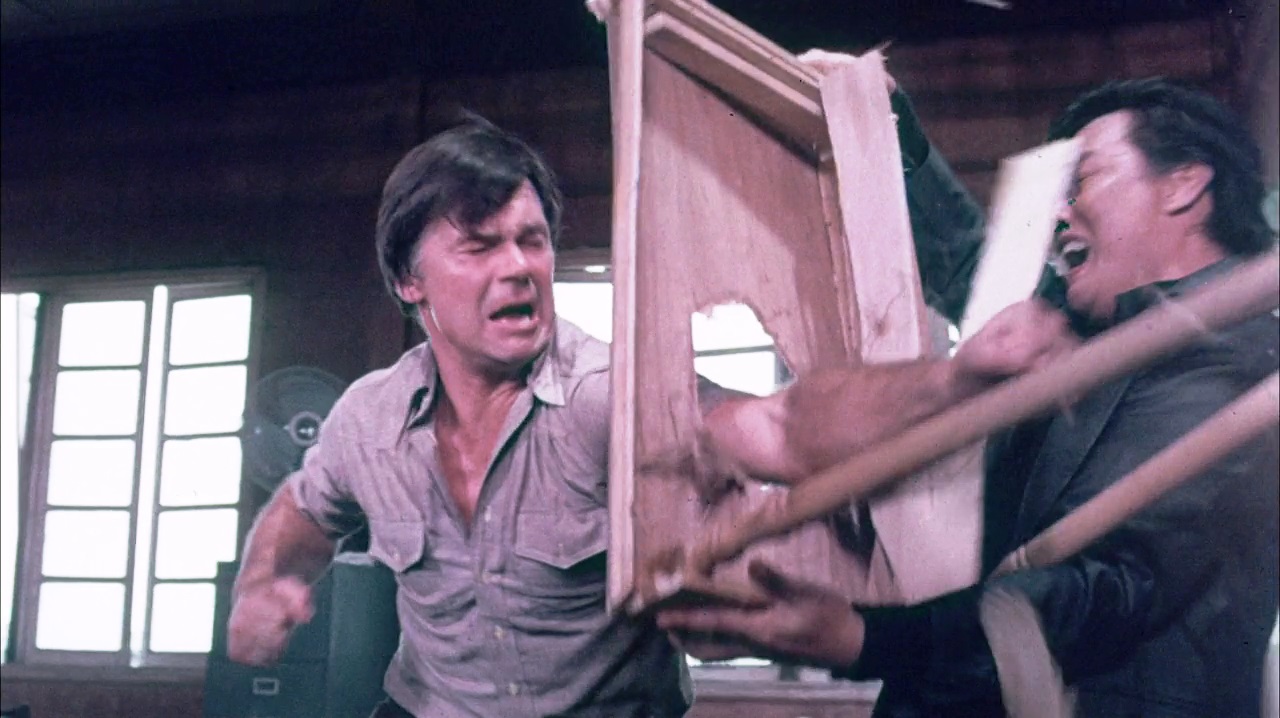
The movie wastes time on exotic locations and mock romances in a confusing, convoluted plot. Only Nielsen’s performance, acting and physicality made the movie bearable. He was a handsome dude and could throw martial arts punches quite effectively.
He also correctly pointed out that the one thing he wasn’t programmed for was love, and with that, the need to be remembered by someone who cares for him. That’s the movie's ultimate humanising lesson, and it's more than I can say for Bourne Legacy, starring Jeremy Renner in his beefcake days.
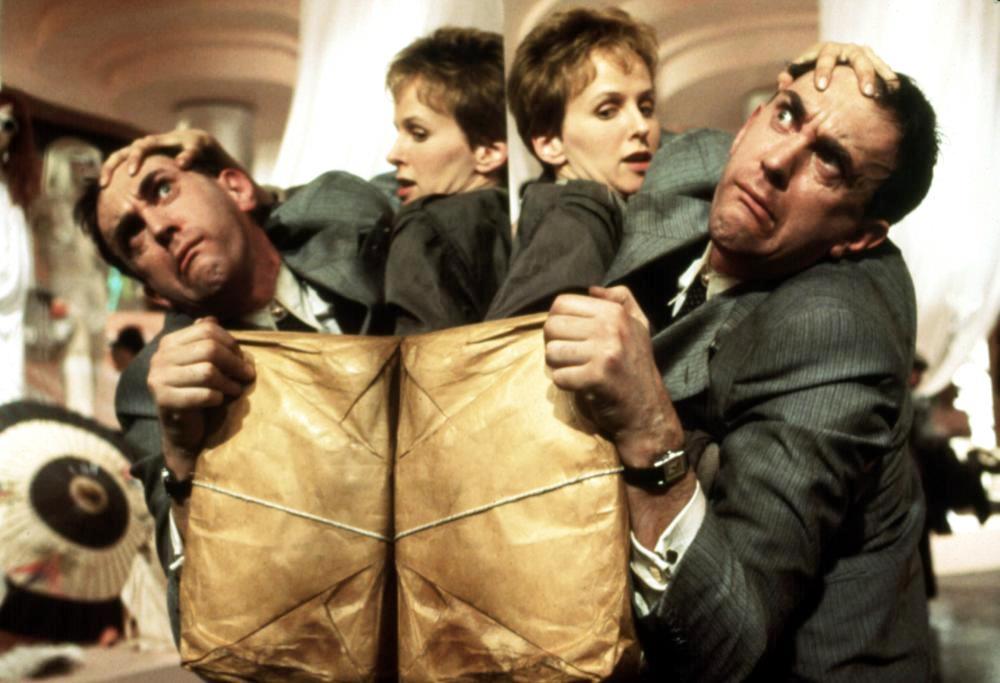
THEMATIC MIRROR: Kim Greist (with Jonathan Price) seeing double herself in an unforgettable scene in Terry Gilliams dystopian comedy classic 'Brazil' (1985).
That takes you to Duplicates, a TV movie. The story zeroes in on an attractive, well-matched young couple, Bob and Marion Boxletter (Gregory Harrison and Kim Greist), who happen to be in the wrong place at the wrong time.
Marion sees her brother by accident; he’s been missing for a year, and the man doesn’t even recognise them. Her son vanished without a trace, along with the man. Through some amateur detective work, she confirms it’s him and finds out where he works.
The man has been turned into a brainwashed assassin, their son also given an alternate set of memories, and the young couple get captured and processed themselves. They wake up with new identities and jobs, but bump into each other and are inexorably drawn together.
The scientist (Cicely Tyson), who pioneered the procedure of downloading someone else’s memories into a new recipient, is overjoyed. She realises this is a gap in her research and wonders whether love can exist without memory.
It gets to the point of bugging their homes, including the bedroom. The high point of the story is this resumed romance, given how attractive, sympathetic and smart the Boxletters are. It really gives you faith that love can conquer memory erasure and programming.
The actors really sell the moral message. Kim Greist is always sexy and willful, but she outdoes herself here as a feisty and loving mother. Gregory Harrison always excelled at white-collar psycho or sleazebag roles but plays the good and trusting Samaritan wonderfully here.
They figure out what happened to them through some good luck and lots of smarts, and finally turn the tables, getting the scientist to help them and even sacrifice herself. Dr Randolph originally wanted to erase criminals' bad personalities, but the government hijacked her research.
Now for the third feature, the very cheaply made The Clones. As you can guess, it’s about cloning: a scientist meets a ‘duplicate’ of himself and goes on the run when the government sends its goons after him.
MADE TO MEASURE: Michael Greene as Dr. Gerald Appleby. It's good to see mad scientists collaborating for the betterment of mankind, on occasion.
Through various misadventures, he teams up with the clone, and they try to turn the tables on the government, but fail in the end. It’s depressing, but the plot twist at the end does take you by surprise, as does the alliance between the scientist and his copy.
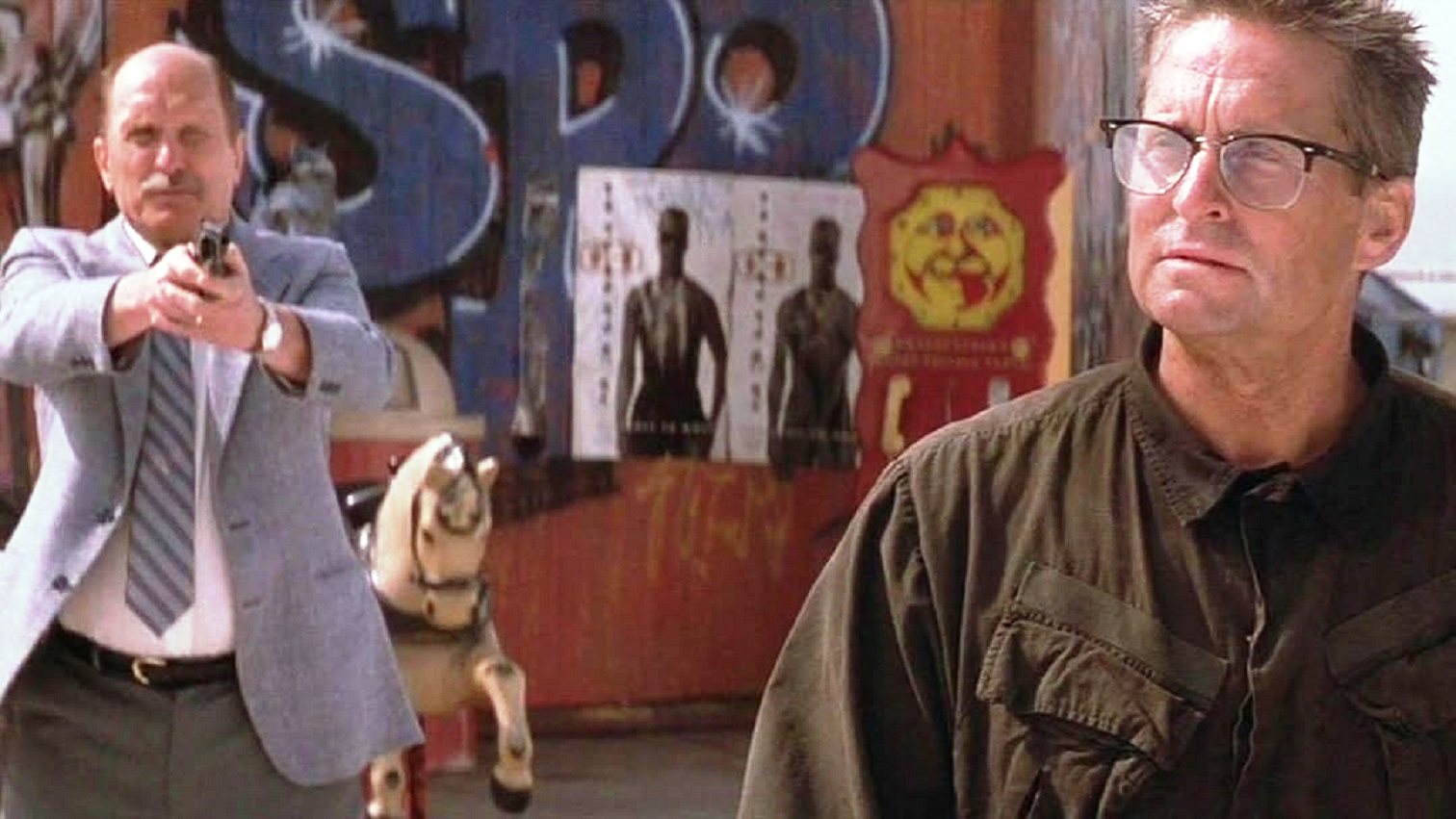
The big action finale happens at a deserted amusement park, of all places, with one of the government assassins using a roller coaster ride to shoot at the fleeing scientist. It’s intelligently conceived. If only they had better actors and stuntmen.
There are lots of ‘signs’ for games along the way that lampoon what’s happening, and earlier you saw a scene with a poster of Richard Nixon in the background. Needless to say, the mad scientist responsible for this all is German, another hint at America losing its soul to the people they supposedly fought WWII against.
MK Ultra, it now appears, involved Nazi scientists who had already been working on brainwashing techniques long before the Americans. (The mad scientist may even be a stand-in for Henry Kissinger, if you ask me.)
This cloner used his technology to breed copies of scientists from all over the world working on weather weapons. The hero scientist works on fusion energy, a clean substitute for nuclear power, which is needed to power this new breed of WMDs – you could say.
As I said, it’s the most intelligent of these somewhat related movies, just without the polish and emotional engagement of Duplicates. It also had some of the cheesiness and dopy romance of Project Kill.
The upshot is that science fiction is often driven by political and social paranoia. The 1970s were an era of doubt, thanks to Vietnam and Watergate. The 1980s-90s were more focused on corporations robbing you of your freedom.
Hence, the respectable suburban and small-town setting of Duplicates, with the local police in cahoots with the medical centre that does all the experiments on behalf of the government. Even the new version of Bob is an expert programmer, like his old self, a chilling motif for what is happening to society in corporate hands.

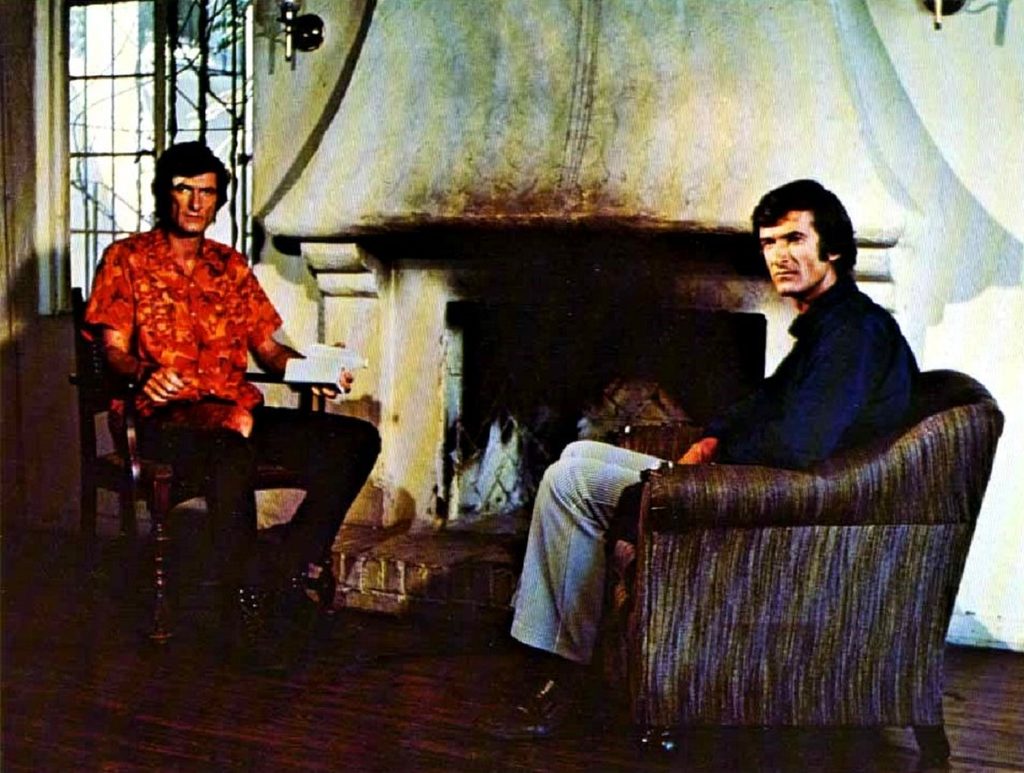
FORGOTTEN EQUATIONS: Leslie Nielsen and Nancy Kwan in one of the less sloppy scenes of 'Project: Kill'. Gives counterespionage a whole new meaning.
Still, goes to show what a shoestring budget can do for you. You focus on story and plot instead of theatrics and spectacle. Why even the Leslie Nielsen movie outdoes Bourne Legacy.
Franchise fatigue or self-programming? Take your pick!