For over five centuries, the Jewish community has been a foundational thread in Dutch society. When Sephardic Jews fled the horrors of the Spanish Inquisition, they found a rare sanctuary in the lowlands. They arrived not merely as refugees; they brought immense wealth of knowledge, global trade networks, capital, and intellect.
This Sephardic influx laid the very foundations for the Dutch Golden Age and cemented the Netherlands' global reputation as a cradle of Enlightenment and tolerance. From the radical philosophy of Baruch Spinoza to the visionary urbanism of Samuel Sarphati in the 19th century, Jewish/Dutch culture built the country we know today.
By Ken van Ierlant
Yet, this historical promise of Dutch tolerance is decaying. The monster of antisemitism has mutated, walking the streets of the Netherlands in seven distinct disguises. To understand why a country that prides itself on progressivism is executing a modern-day betrayal of its Jewish citizens, an international audience must look past the postcards and look directly at the tragic trajectory from enlightenment to erasure.
1. The Progressive Elite: The Moral Superiority & Conspiracy Trap
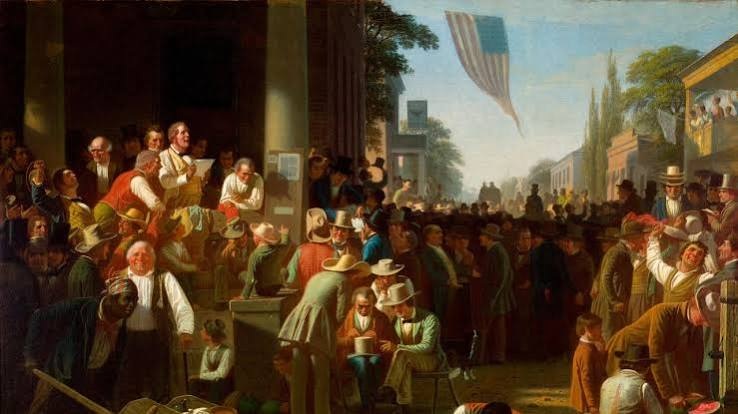
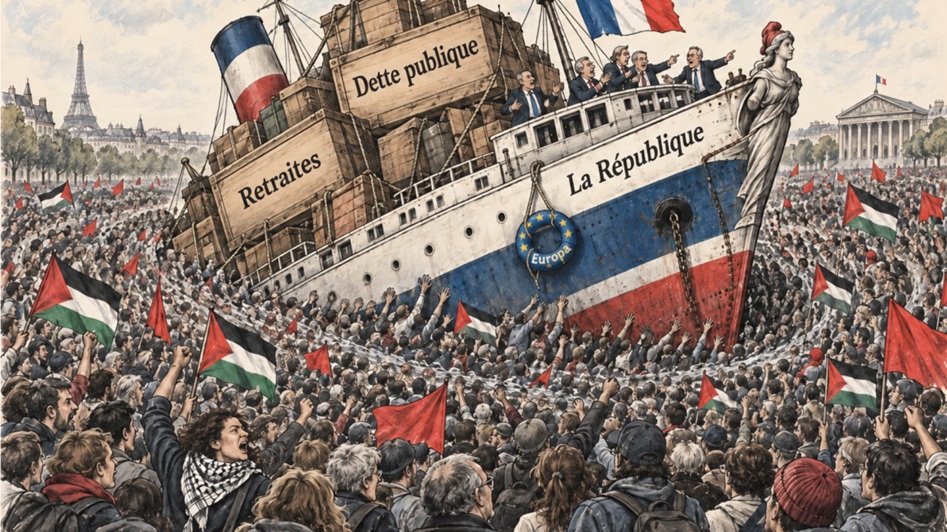
Once the champion of the working class, the Dutch left-wing elite, now comprised of university-educated moralists, media figures, and "woke" activists, has constructed an anti-capitalist, anti-colonial worldview. In their rigid dichotomy, Israel is viewed exclusively as a white, European, capitalist experiment oppressing the underdog.
Wrapped in a cloak of absolute moral certainty, this elite uses progressive language to revive ancient tropes, targeting Jewish institutions under the guise of geopolitical righteousness.
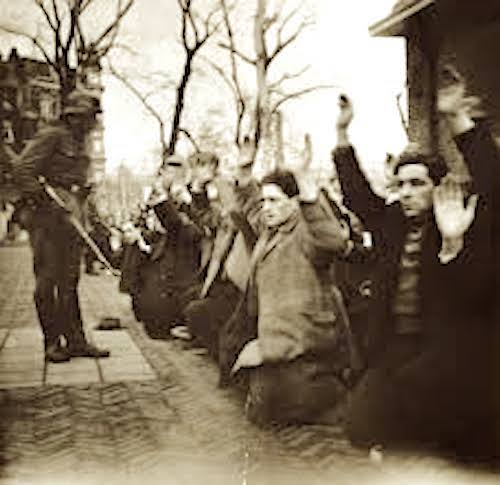
This structural worldview has paved the way for a dangerous brand of progressive conspiracy thinking. In a bizarre inversion of reality, sections of the woke left now resort to victim-blaming on a historical and geopolitical scale.
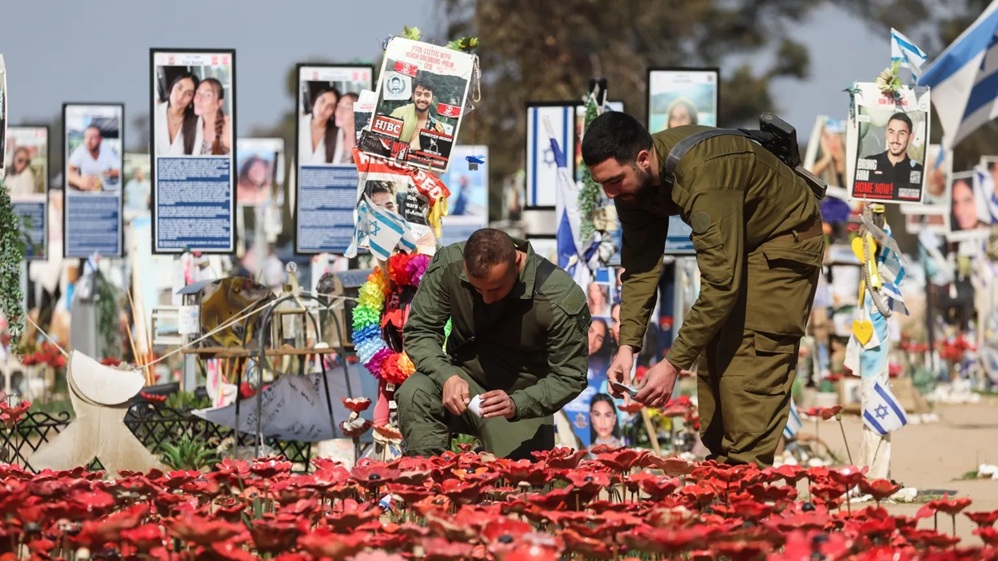
They go as far as weaponising the Holocaust against its own victims, while perversely holding Jews and Israel responsible for the atrocities committed against them—whether it is the October 7 massacres or Israel's inevitable military defence against the multi-front terror of Hamas, Hezbollah, the Houthis, and Iran.
By framing democratic self-defence as the ultimate evil, this narrative flips perpetrators and victims, turning ancient blood libels into modern, academic theory.
2. The theological foundation: The scapegoat mechanics
This is the oldest variant, engineered by the historical dogmas of the traditional Christian Catholic churches and later Lutheranism, driven by replacement supersessional theology ("the Church replaced the Jews") and centuries of blood libels; this form of prejudice historically institutionalised the Jew as society's permanent pressure valve.
Whenever society faced economic or medical crises, the theological scapegoat absorbed collective anxieties.
3. The Islamist paradox: Theological dominance and jealousy
Rooted in radical jihadist ideology, this shape claims exclusivity over spiritual and territorial truth. It harbours a deep, ideological resentment against the fact that Israel, occupying a mere one per cent of the historical region, flourishes as a scientific, military, and economic democracy.
The core of this hatred is a profound civilizational jealousy: Israel generates a GDP of roughly 600 to 700 billion dollars with just 10 million inhabitants, whereas a neighbouring nation like Syria, with over 20 million people, struggles with an institutional baseline GDP of merely 20 billion dollars.
This contemporary Western narrative conveniently ignores the conflict's deep-seated theological roots. At its core lies the Islamic doctrine that any land once conquered under Muslim rule becomes an inalienable endowment (Waqf) that can never be relinquished to non-Muslims.
This dogma laid the groundwork as early as 1921 for a century-long jihad against the Jewish people returning to their ancestral homeland after two millennia of diaspora what the progressive elite frames as a modern anti-colonial struggle is the continuation of a religious veto that refuses to accept Jewish self-determination on any piece of land once claimed by the caliphate.
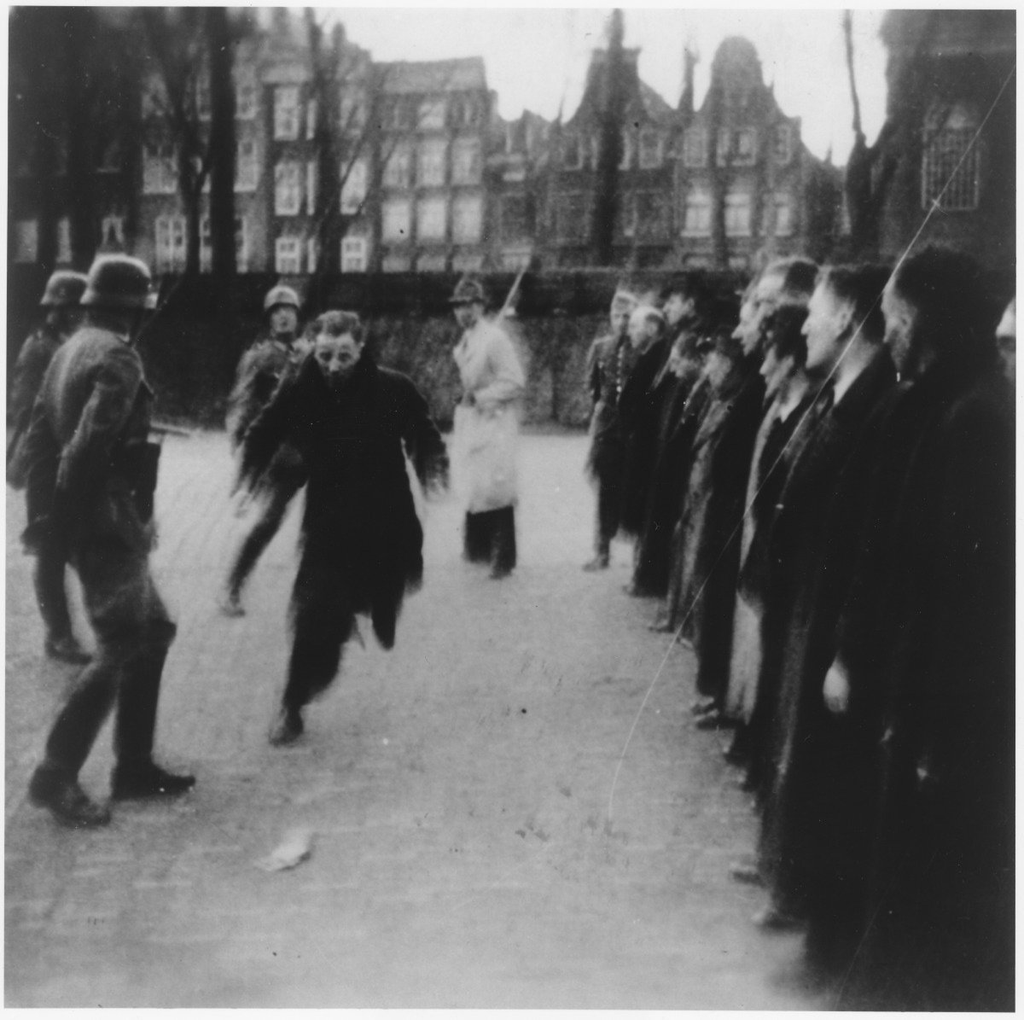
4. The casual nihilist: "Esprit de troupeaux"
This is the antisemitism of the pub, the soccer stadium, and the internet forum. Driven by profound ignorance and absolute nihilism, it manifests as lemming-like behaviour. These are the casual anti-Semites who hiss at Jewish schoolchildren or shout slogans during soccer matches, not out of deep theological conviction, but out of a dark, tribal herd mentality (esprit de troupeaux) where causing pain passes for humour.
5. The geriatric dinosaur: Echoes of the 1930s
Representing the final gasps of an older generation, these are ageing commentators and public figures who parrot their wartime parents' prejudices. Speaking from positions of past authority, their commentary is a carbon copy of 1930s rhetoric, delivered with the stubbornness of dinosaurs refusing to realise their era of respectable bigotry has passed.
6. The Far-Right travesty: The brown-shirt revival
In a cynical twist, far-right politicians who previously instrumentalised philosemitism for anti-Islam rhetoric are removing their masks. This is a travesty where deep, historical ultra-nationalism is proudly displayed once more. They don the modern equivalent of the "brown shirt," utilising dog-whistles about globalist elites and financial cabals to signal to their extremist base.
7. The technocratic opportunist: The cynical centrist
Perhaps the most insidiously modern variant is found among centrist political opportunists, exemplified by factions like the liberal democrats of D66. Lacking authentic moral conviction, their rhetoric feels as though it was generated by an AI algorithm optimised for political survival.
They specialise in under-the-belt relativism, launching "nuanced" statements with double bottoms that subtly sacrifice Jewish safety to court voters, representing hypocrisy in its highest, most technocratic form.
The Stockholm Syndrome
Perhaps the most insidious Jewish element in this matrix of hostility is the phenomenon of Jewish Stockholm syndrome. Driven by a toxic mixture of the various forms of antisemitism, certain diaspora Jews choose to foul their own nest.
Desperate to remain salonfähig within progressive circles, they zealously demonise the Israeli government while wrapping diaspora Jewry in a blanket of professional victimhood.
Their mantra is clear: "We are helpless, and we have nothing to do with Israel." In their eagerness to please, these individuals often outdo their progressive allies in anti-Israel rhetoric, openly aligning with ideological enemies.
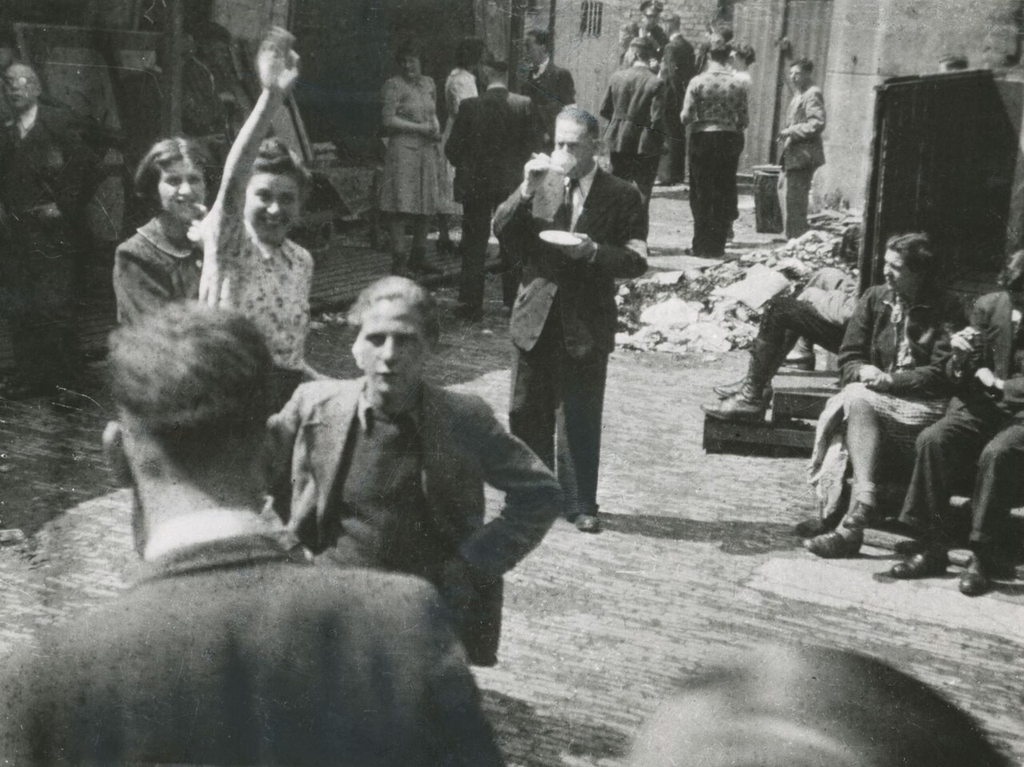
From fringe groups like Neturei Karta and sections of the Satmar movement to the editorial lines of Haaretz, leftist university campuses, and prominent intellectuals like Yuval Noah Harari, they leverage their identity to denounce the Jewish state in international media, trading solidarity for secular absolution.
From erasure to the Judas Kiss
The ultimate tragedy of contemporary Holland cannot be understood without confronting its darkest chapter. In 1940, that grand 400-year-old intellectual capital was met with cold, administrative efficiency.
The German occupiers did not work alone; the Dutch civil service aided them through meticulous cooperation, expertly registering, tracking, and organising the transport of its own citizens. The numbers speak for themselves: 75 per cent of the Dutch Jewish population was systematically murdered, he highest mortality rate in Western Europe.
After the war, rather than welcoming the community's shattered remnants back, Dutch society chose bureaucratic erasure. Survivors were presented with bills for back taxes owed while they were in Auschwitz. Their property was gone, their trauma ignored, and their history effectively whitewashed to preserve the comfortable national myth of a "righteous resistance."
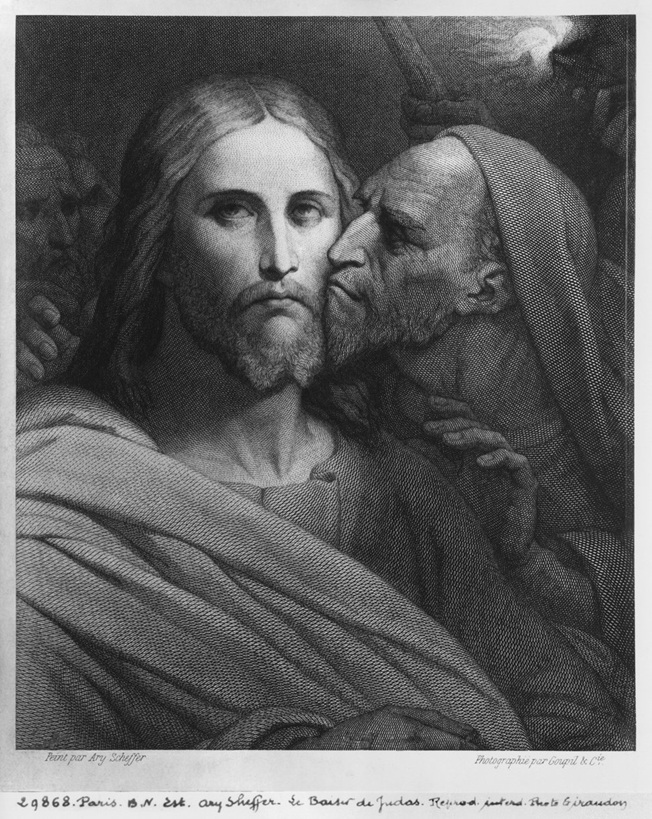
Today, that post-war erasure has evolved into something even more sinister: a modern-day Judas betrayal. The descendants of the bureaucrats who once stamped the deportation papers are now the moral high-grounders who use AI-generated rhetoric and technocratic nuance to relativise antisemitism.
Five centuries after the Sephardic Jews helped build the very foundation of Dutch wealth and enlightenment, their modern-day descendants are being vilified by a society suffering from supreme moral hypocrisy.
The left, the right, the religious, and the technocrats all have their reasons. But the historical ledger remains open, and it shows that when the Netherlands is asked to choose between its Jewish citizens and its own comfortable self-image, it chooses the myth every single time.