AI has taken over our daily routines, but the real storm is brewing just beneath the surface. If algorithms replace human labour across every industry, capitalism's basic mechanics begin to break down. Dive into Part One to explore how AI, disappearing jobs, and the debate over free money could shape our collective future.
By Marco Mattiussi
Let’s be real: can you escape one single day, nowadays, without using (and sometimes abusing) AI? Any question that comes to your mind, even the most trivial, and you run to your mobile to consult with ChatGPT, your new best friend with a strange name. Or his cousins, like Gemini, Claude or Copilot. We don’t Google anymore; we ChatGPT.
Barely any conversation goes by without mentioning the wonders and possibilities of this extraordinary tool, suddenly made available to all of us. AI has entered our lives suddenly and taken them by storm.
But what we see and what is made accessible to us, mostly for free, poor mortals, is just the tip of the iceberg. The real race is played out at a much higher level. At the corporate level, for example, companies of all sizes across every industry are scrambling to adopt AI systems fast to stay competitive and avoid being left behind. This transformation is touching every department: marketing, HR, production, after-sales service, accounting. All of them.
This wave of AI integration isn't sparing providers of high-level professional services either, including education, law firms, consulting and even medicine. The movement is well underway, moving at breakneck speed, and seems impossible to stop.
We are witnessing an unprecedented shift for all of humanity.
But one question is starting to circulate. A simple, straightforward, logical question.
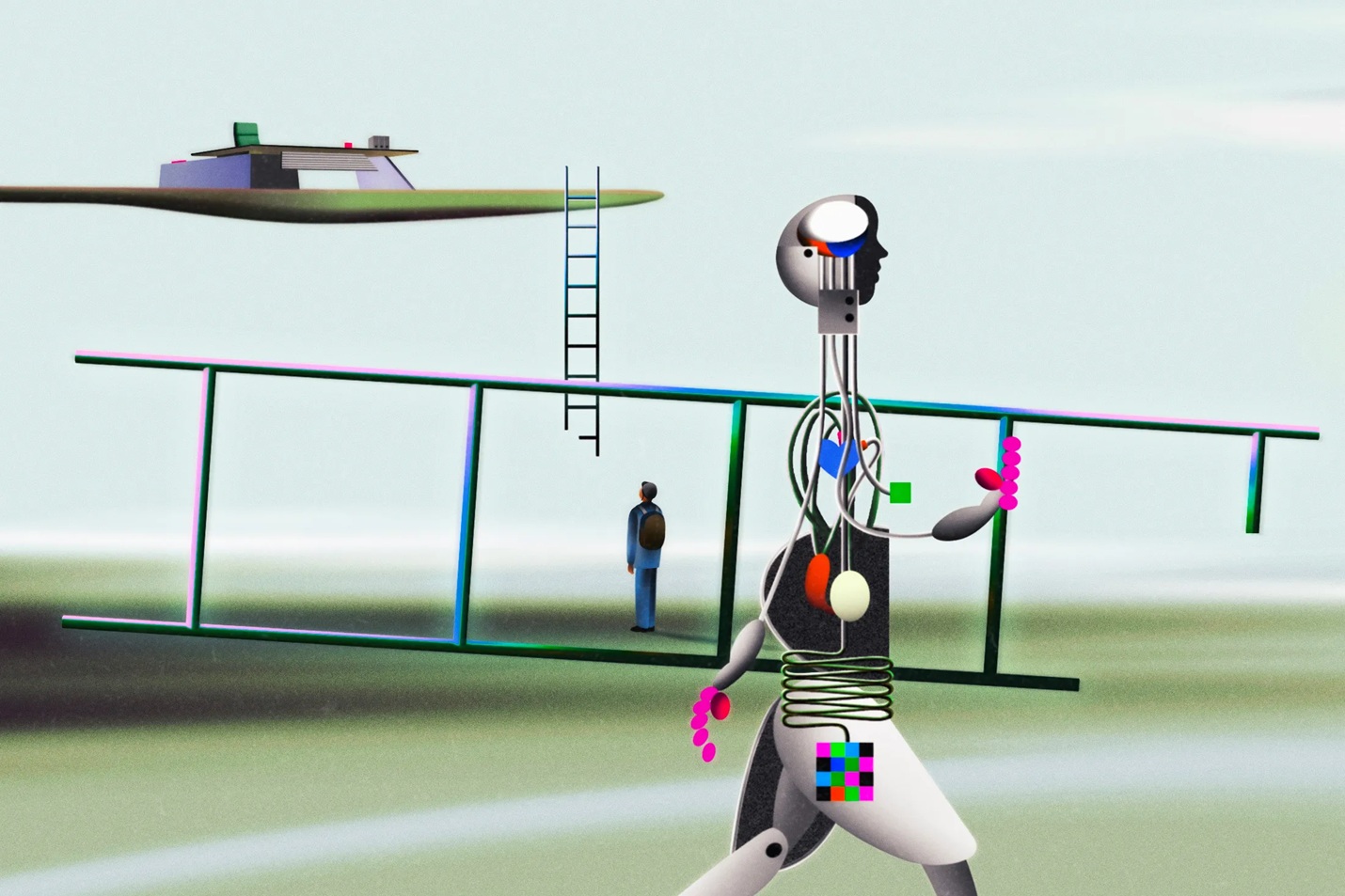
If AI replaces most jobs, who is left to buy products or services?
Companies need customers. Customers need income. Income comes with the job. What happens to this economic cycle when jobs disappear?
Some argue that jobs won’t actually disappear but evolve. During the Industrial Revolution, in fact, existing jobs were replaced by new ones. The guy who used to shoe horses became a worker in an automobile factory. The net sum was balanced. No problem.
However, that may not be the case this time. The people developing these AI systems—or owning the companies that control them- will constitute a tiny minority. What happens to everyone else?
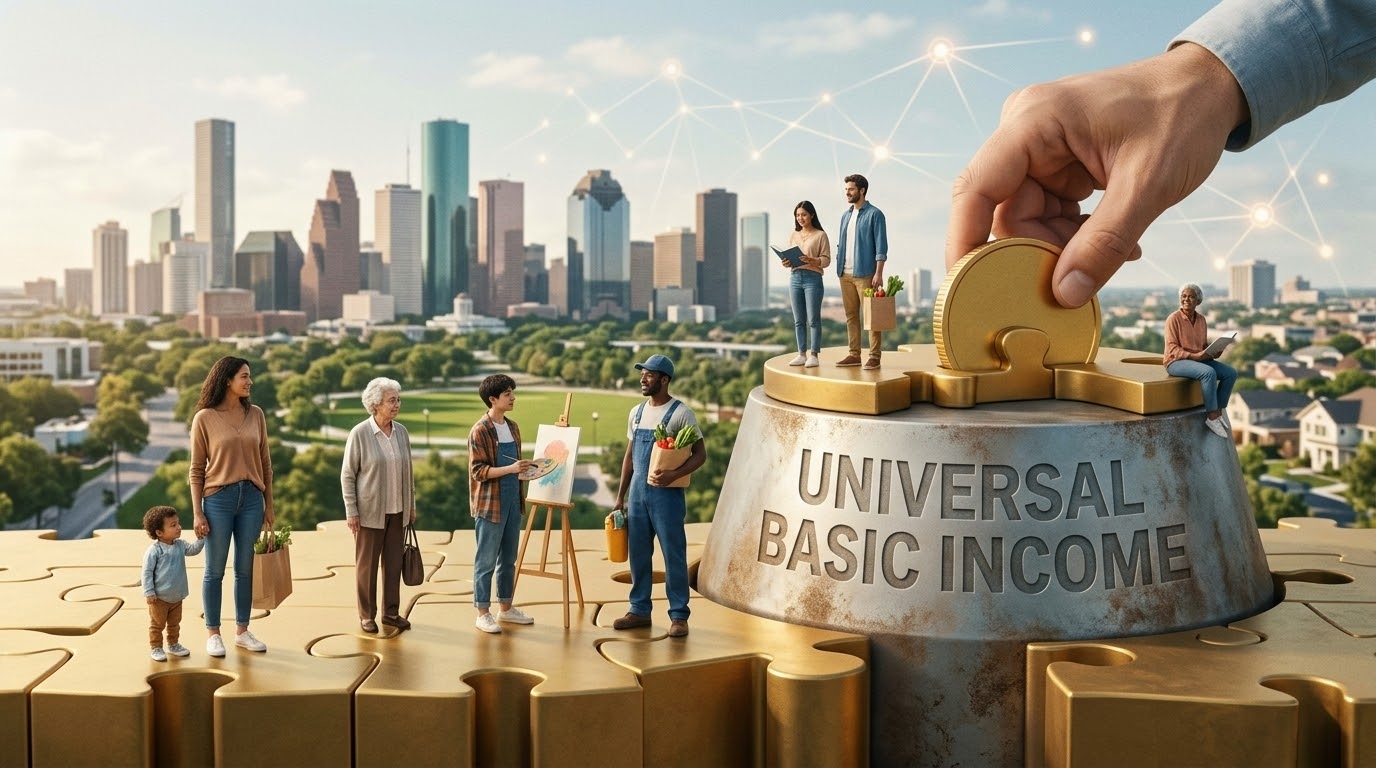
And here comes the magic concept of Universal Basic Income (UBI).
It might sound like a new word, but it's something that, under a different name- relief support or emergency aid- has already been experimented with during COVID-19.
Governments gave these monthly cash payments primarily to individuals and small, family-run companies that were suddenly left without jobs or businesses because of the pandemic, to help them survive during the lockdown.
At that time, even Pope Francis called on world leaders to consider implementing a universal basic wage.
That measure was temporary and far from universal; only a few countries adopted it. But it had a major drawback: governments would have had to print massive amounts of money to distribute for free. As economic theory predicts, increasing the money supply (the so-called Monetary Mass) raises prices, and indeed, inflation surged dramatically after the pandemic.
Now, fast forward to today: what could go wrong, you might ask, if governments worldwide start giving everyone free money forever?
Is this a dream come true, liberation from the burden of work, or the worst possible nightmare for humankind?
This will be discussed in part II.