I’m a terribly out-of-date person. To me, teaching using SF means learning stories, and maybe the odd TV episode or film clip. I forgot that there is an older and perhaps even more effective way of teaching with the aid of sci-fi. Namely, theatre!
By Emad Aysha
I had the good fortune of participating in the sidelines of the second sci-fi children’s literature conference. (“أدب الخيال العلمي للأطفال: جسر نحو المستقبل والإبداع”, 16-17 July 2025). While reading the conference papers, I chanced upon the wide world of Egyptian children’s theatre in the sci-fi realm.
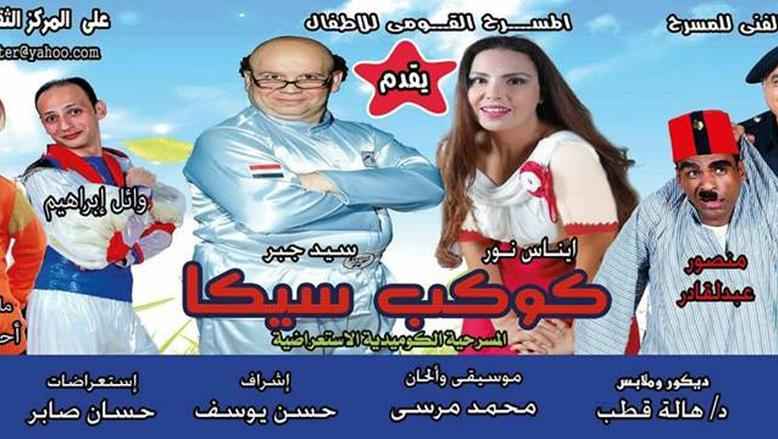
One play that caught my attention was Kawkab Seeka (كوكب سيكا) by Dr Abdu al-Zaraa, which was initially produced in 2014. I’ve seen clips and interviews of it online, and it’s a bold, fun work of art we are in dire need of.

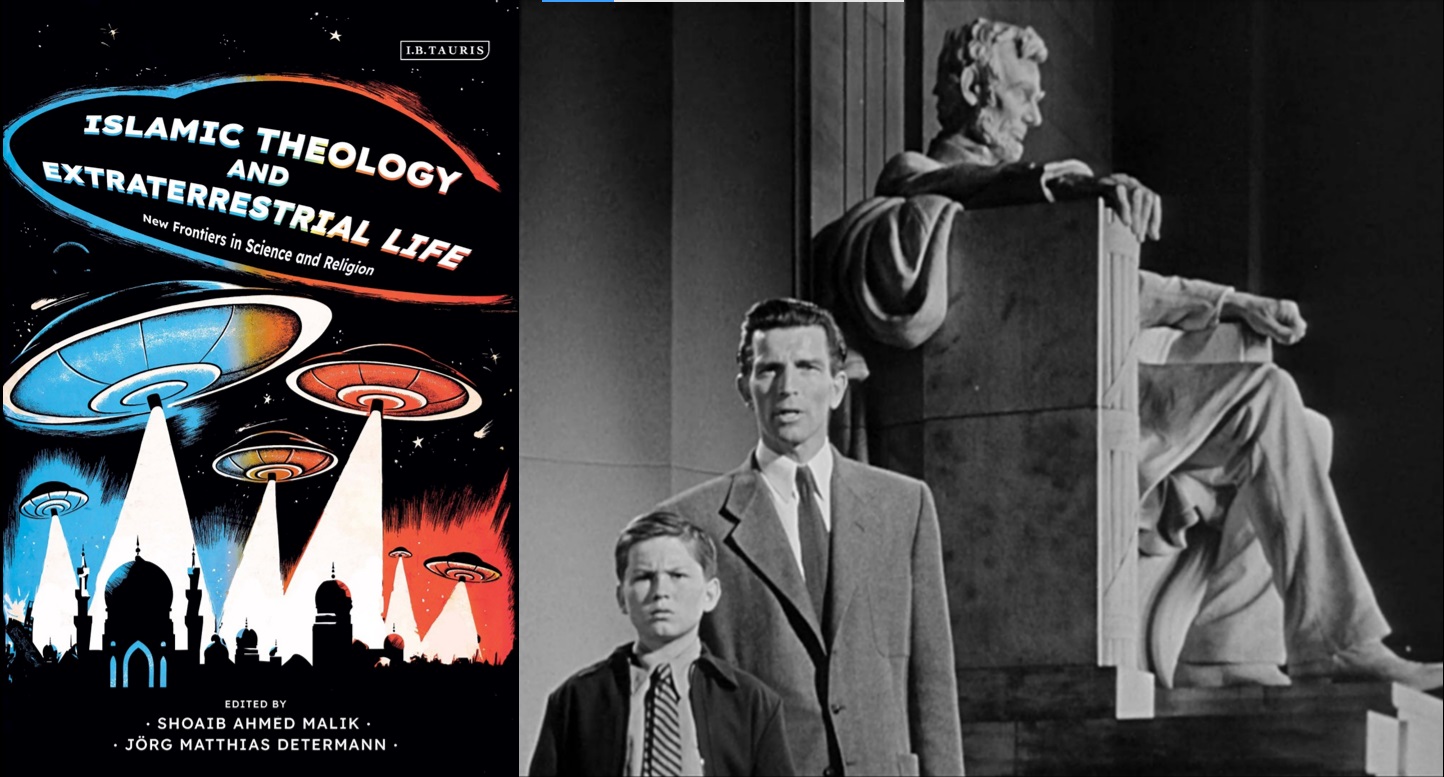
TOMORROW'S MANIFESTO: A must read for all you practitioners of teaching science fiction, laced with a little fantasy, folklore and (lest we forget) humour.
It centres on a hapless pair of guards, from Southern Egypt, who board a rocketship and accidentally launch themselves. The autopilot takes them to the Egypt 2020 space station.
The poor scientist on board has been stuck there for a whole year waiting for a pair of scientists, and he gets the Egyptian equivalent of hillbillies. He’s a bit of a snob and makes it clear what he thinks of this trick of fate.
Nonetheless, the station’s original mission proceeds as planned, and they make it to the aforementioned Seeka Planet. They’re welcomed by the residents, played by dwarves, and get to know the maternal loving queen of this kingdom, only to discover that the population can’t use their hands!
They have paralysis. The scientist finally figures it out. It’s psychological. They’re so spoiled by their ruling royal family that they’ve never had to work in their lives. That’s when the two constabulary guards come in.
They’re from the countryside and teach these spoilt brats how to grow their own food, and so stop depending on imports and foreign handouts – hint, hint. And in the process, the scientist learns to stop belittling his two helpers.
Imagine that, a dream of national unity and national independence – that can only come true in outer space?!
But there’s more to it than that. The two guards, when we first see them, trade insults using tech terms in English – windows, format, virus, etc. When the queen is told by her brother that there are alien visitors, she objects to being woken up so early.
The brother, moreover, has them arrested, fearing everyone foreign is a conspirator. He also tries to do things behind her and, wouldn’t you know it, has a face that’s half painted blue; the two-facedness motif.
The work ethic, technology, and old-fashioned know-how are clearly themes here, too. The director of the play, Sayyed Gabr, said that he wanted to (casually) remind the audience of how Egypt invented agriculture and originally exported civilisation to the world.
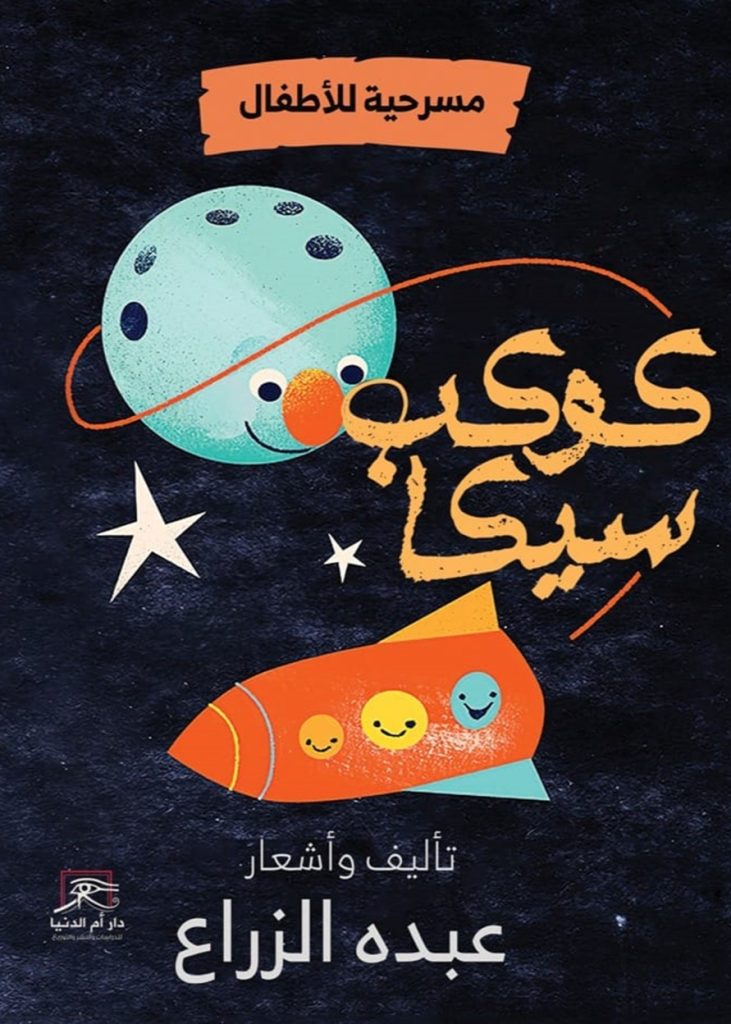
EDUTAINMENT: A copy of the original written play by Abdu Al-Zaraa, hardly a walk in the sci-fi park.
You will also note that the queen and her brother are nice and tall like the rest of us. This is a double motif. Short people always appeal to kids, and having them short makes them look like children – the paternalistic state.
Another interesting aspect is that the TV presenter, the scientist is talking to, announces the wrong people on board the rocket. She’s someone who can hardly read Arabic properly, even Egyptian Arabic.
The crew responsible for the play did a great job; beyond the story and themes, they noted that what resonates with children first is the music. Words come later, and even they have to be tuned to the music. Dance is essential too.
As one crewmember explained, action existed before words. Whether in primitive man, or in children, who walk and play before they can talk. That’s something us verbose sci-fi authors forget, and the same holds for moviemakers.
Children’s theatre is a brilliant medium for fostering imagination, teaching science, and instilling the values of hard work and teamwork. It’s all part and parcel of science fiction as the industry of hope, as Dr Kadria Said puts it so nicely.
Theatre is also a more interactive medium than cinema and literature, since the audience cheers when the actors direct their words and questions to them. And the kids get to meet the cast and crew afterwards.
New technologies also enable this, as noted in Al-Sayyed Negm’s studies on digital and interactive theatre and video games. Even so, I still think old-fashioned theatre is more effective and immediate.
Digital technology is a 'freezing' medium. Just compare an old-fashioned letter or postcard to email, let alone social media. The crew also explained that they want to slow down the perceptions of children in the miasmic whirlwind created by mobile phones and satellite television.
Children’s theatre is fast enough not to be boring and long enough to be thoughtful—the perfect mix for kids, and adults, to be honest.
Sadly, explained the crew, children’s theatre needs proper advertising, TV airtime, and stars willing to forgo their paychecks.
Looking back on it, when I was at English school, we did take SF (stories and movies) along with the more predominant fantasy, of course. But I don’t ever remember us taking sci-fi theatre as a mode of instruction.
Even when we did theatre, it was either fantasy or realism, not SF. Then again, why would they need it? They’re already awash in sci-fi media and have a proper science education.
Egypt is ahead of the rest, paradoxically because it’s a developing nation ‘behind’ the modern world. Never mind comedy SF theatre. Sci-fi theatre itself is a remarkable synthesis of old and new, modernity and tradition.

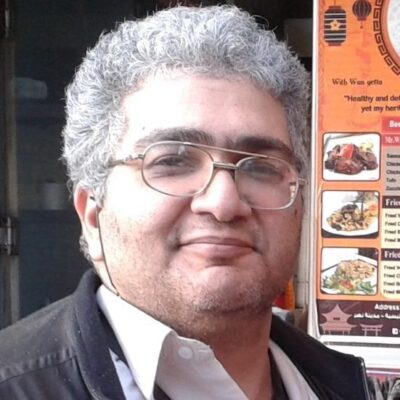
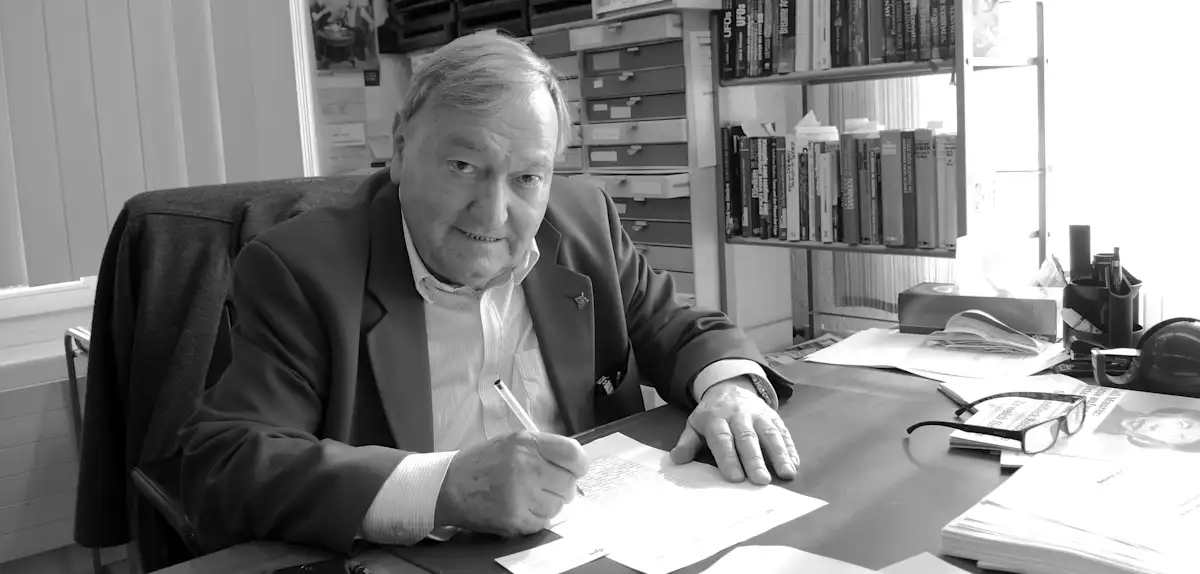
SCI-FI MENTOR: Dr. Hosam Elzembely representing Egyptian localism in China, and Chinese futurism back in Egypt. [Picture taken from goodreads]
The content needs to be new for the sake of modernisation, but the format has to be old for the sake of intellectual digestion!
Special thanks to ESSF chief Dr Hosam Elzembely for cajoling me to attend this Nadi Al-Qisa (مع نادي القصة) conference.