The 1954 movie Sabrina, starring Hollywood legends Audrey Hepburn and Humphrey Bogart, is considered a classic and selected for preservation in the United States National Film Registry by the Library of Congress. Ironically, I didn’t get a chance to watch it before seeing the 1995 remake with Harrison Ford and Julia Ormond.
By Emad Aysha
The new one is sound, mind you, but there is simply no substitute for the true heroine of the old movie. Julia Ormond is a beautiful, sophisticated woman, but that’s partly the problem. She doesn’t convince you she’s a chauffeur’s daughter who becomes a lady, but is still a simple little girl on the inside, no matter what.
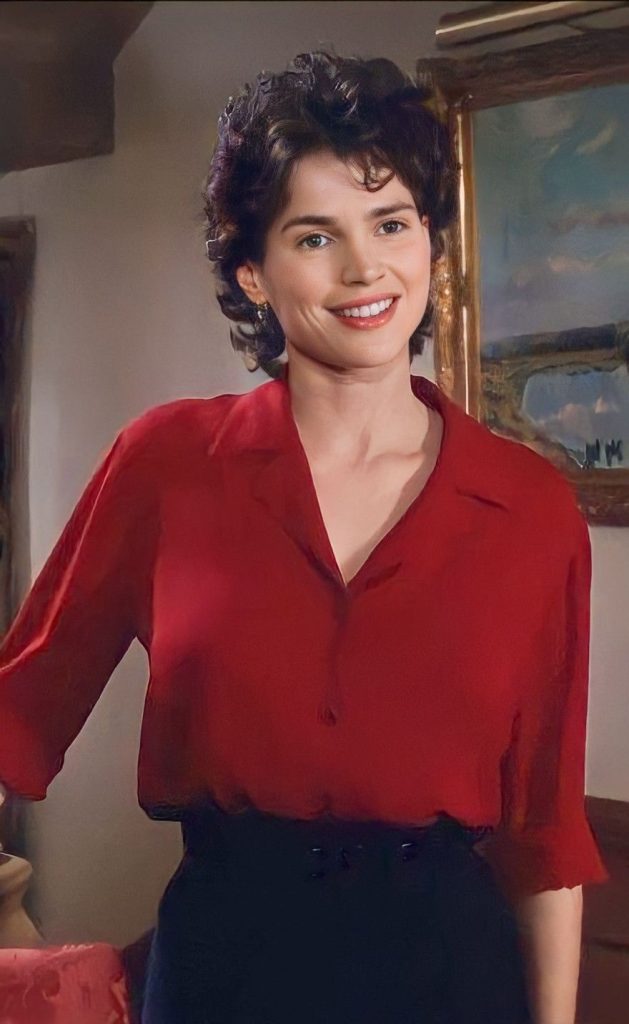
PRIME TIME: Julia Ormond in the updated 'Sabrina' (1995) doing her very best to liven up a rather dull era, if you ask me.
The transformation you see with Audrey Hepburn is breathtaking, which is all the more shocking when you see how little she’s changed in the penultimate scene in the movie when it comes to choosing between the two brothers. The playboy she’s always loved David (William Holden) and the ultra-serious Linus (Humphrey Bogart), who’s always been longing to be someone else.
But leaving that aside, comparing the two movies is interesting in its own right. They’re both signs of the varying times they were made in. The 1995 movie features a ruthless businessman who wrecks smaller companies and is about to do the same to Sabrina, whereas the classic is all about being gentle and ‘productive’.
In a very revealing scene, William Holden is debating with Humphrey Bogart about the point of business compared to living the life of fun, and Bogart surprises him – and us – that money is not what he’s looking for. It’s the satisfaction of building factories, creating jobs, helping beat poverty in Third World countries, and making usable products that improve people’s lives.
I’m sure that’s how America saw itself, back then, and maybe there was actually some truth to it. This was before the financialised rentier economy America has become since the 1980s, with Reagan’s deindustrialisation of everything the New Deal had painstakingly (and lovingly) built.
Even when it comes to the sheer number of shares he’s going to give Sabrina’s father, he explains his generosity is a necessary business expense. That’s what comes from self-confidence, the gun-ho spirit of that bygone industrial era.

EYE CONTACT: A behind the scenes peek at 'Sabrina' (1954). Every male lead Hepburn played alongside fell in love with her. You can 'see' the same with Bogart.
Additionally, I don’t think it’s a coincidence that Sabrina is English, with her father even more so. You can’t help but notice that Humphrey Bogart’s father looks like the Monopoly guy, down to the cigar, and has a posh Englishly accent himself. He’s the old order and his son’s the new, with the relationship with Sabrina representing America living up to its democratic ideals – finally!
Why else would his surname be ‘Fairchild’? The emphasis on the word fair, with Audrey being the quintessential child. Other hints abound.
The rich dad talks about long-lost relatives who were pirates or highwaymen and complains that his son David is helping people out too much, including the boy’s first wife, a down-and-out Hungarian Contessa.
The poor dad, for his part, believes that there’s a backseat and front seat and that democracies are unforgiving, not thinking it charitable for the poor to marry the rich. This may be a cruel truth, but it's better than the 1990s fairytale you see in the Ford and Ormond movie.
How ironic that a genuine fairy-tale black-and-white movie is more convincing. The zeitgeist was different, again represented in the contrast between the ruthless Harrison Ford and the productive Humphrey Bogart.
The choice of actors itself is indicative. Ford seems aloof and born to make money, whereas Bogart looks as if he worked his way to the top at considerable personal cost. The tender moments involving Bogart and Hepburn are genuinely touching.
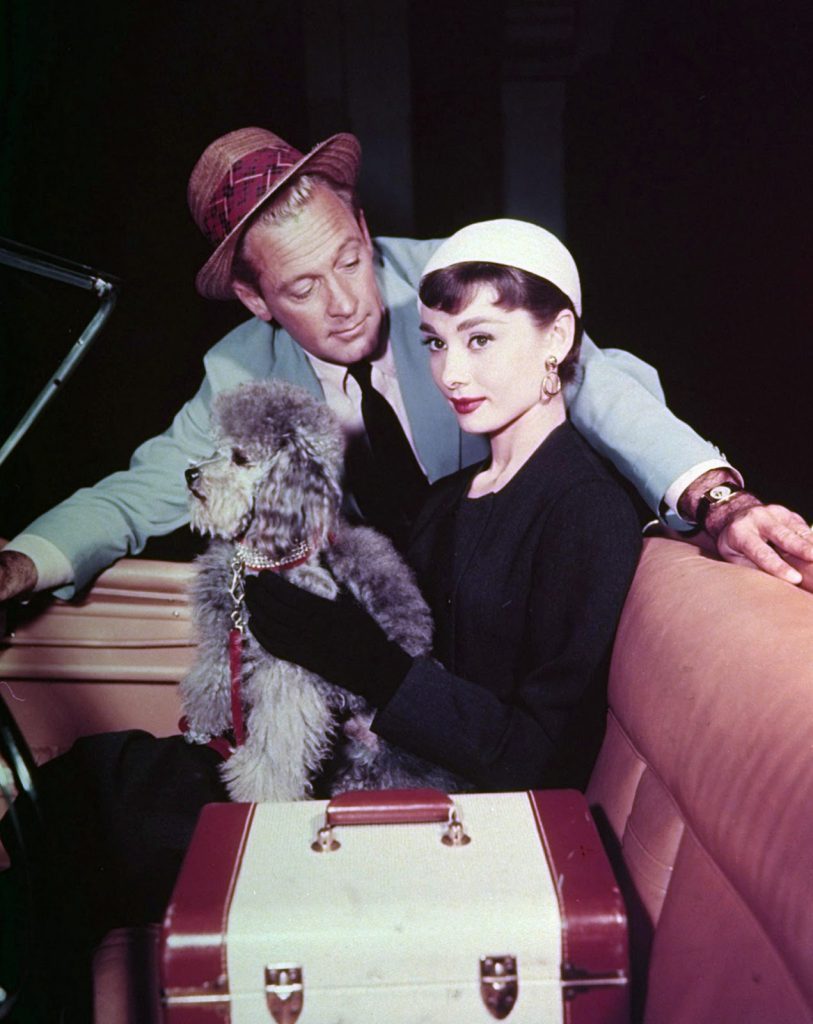
PLAYBOYS BE WARNED: Bob Holden was a man's man in his own right, but 'still' not worthy of Hepburn's approval. A precursor of the post-industrial man?
I suppose it’s fair here to make another remake comparison between the previously reviewed Sorcerer (1977) and the earlier movie it’s based on, Henri-Georges Clouzot’s The Wages of Fear (1953). The old French film is a classic in every sense of the word. It might not give you a heart attack like the Friedkin pic, but it does stress you the hell out.
Alas, they are two different movies with the same basic story. A wayward group of foreigners trapped in the Third World shithole, trying to make their way back to civilisation by carrying dangerous cargo to put out a raging oil fire.
The new movie is a harrowing, terrifying thriller, while the older feature is a drama and a tragedy—basically a morality play. The ending is unwarranted, in my opinion, although predictable given that the French hero (Yves Montand) runs over his French friend in his obsession with getting the money.
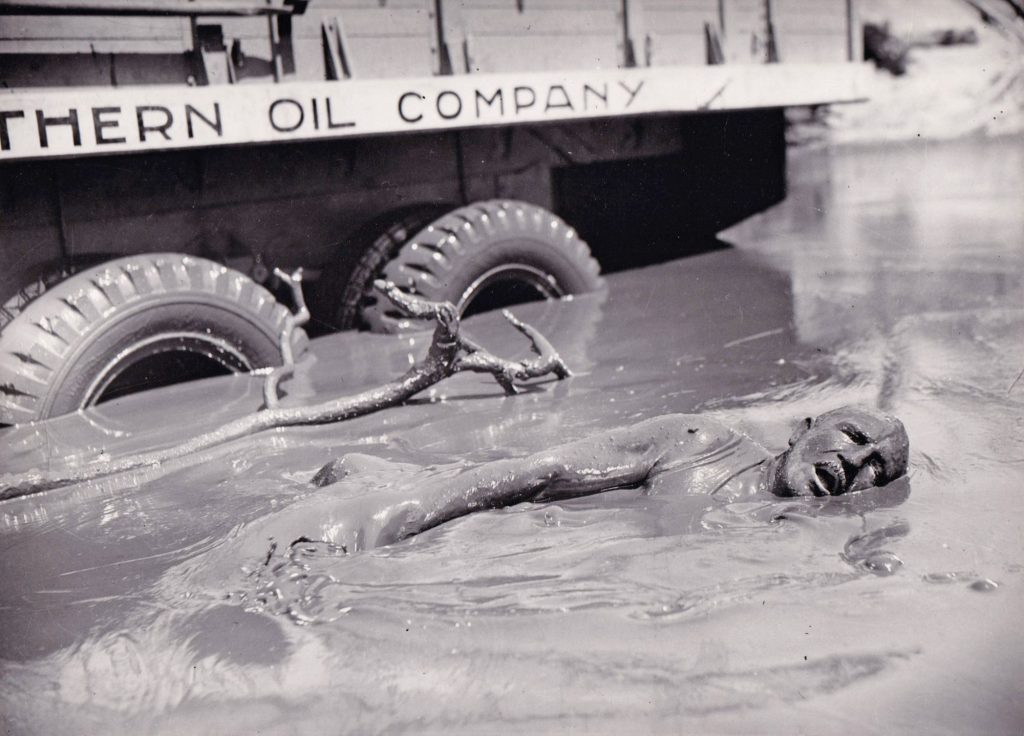
DROWNING IN AMBITION: The penultimate scene in 'Wages of Fear' where the hero runs over his own best friend, just to make the deadline.
By contrast, when the hero in the 1977 movies gets what’s coming to him in the end as well, it’s a genuine surprise and a morality play of another kind – his past sins catching up with him. His friend back in the States also betrays him after being paid enough.
It’s a tragic ending for Roy Scheider, of sorts, but more acceptable. He was a criminal to begin with, and trusted the wrong kind of people.
Also, the oil company is too ruthless in the old movie, only to turn friendly and generous at the end of the story. Again, not convincing and not consistent.
The older movie also isn’t consistent since it uses the romance of that era, coupled with ruthlessness, with the hero’s local girl praying for him. The remake is ruthless from the word go and so internally coherent in tone and theme, with the hero insisting on one last dance with an old lady, saying farewell to a people that treated him well.
It’s closer in spirit to Sabrina (1954), ironically. Oh, notice the Baron who teaches Sabrina how to make a soufflé while also talking about the Space Race – the wisdom of ages on display. (Why this article is in the sci-fi section!)
That’s what America has lost touch with, something evident in the 1995 Sabrina. Paris isn’t just a refuge for the rich; it’s a part of the old world. Hence, the Napoleon brandy Sabrina gets for her father in the 1954 film.
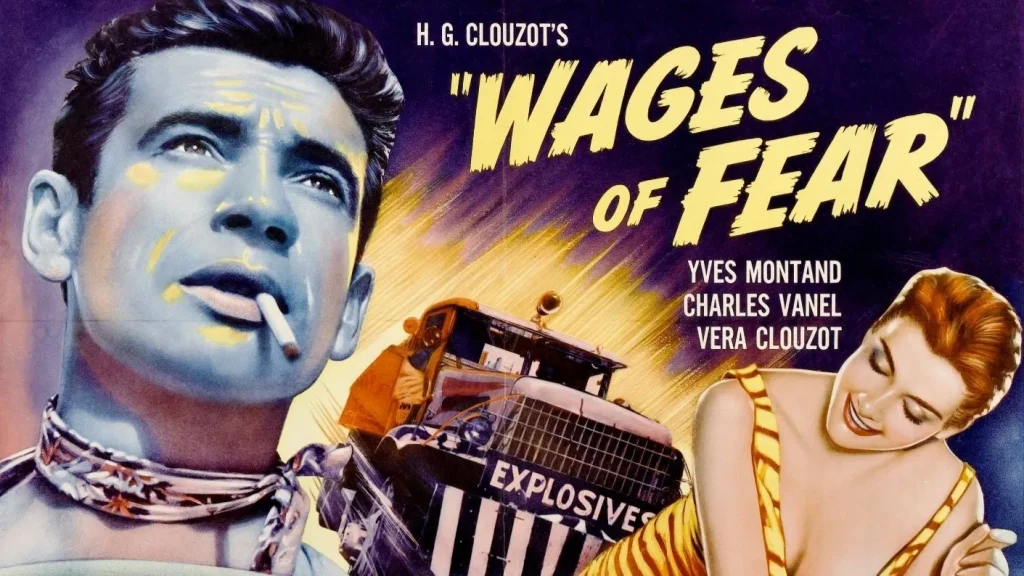
COMPARABLE TIMES: The gentle blacks and whites bring out the starkness better than colour, ironically.
The 1990s were the post-industrial era. Hence, Trump’s trade war, on gentlemanliness!