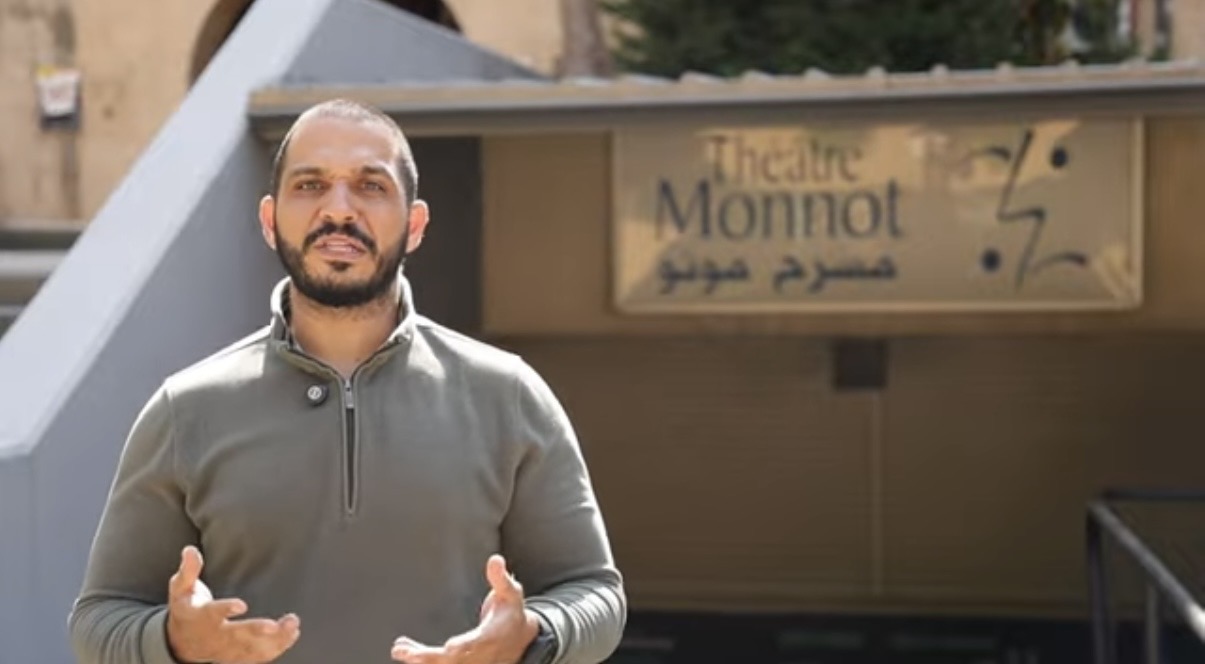
To embrace the arts is to open one’s mind to the possibility that the impossible is within reach. At Beirut's historic Le Monnot theatre, you quickly feel less in a physical space and more in an enchanted realm where the imagination takes the reins. If you find that hard to believe, you only need to look at it yourself.
In the premier documentary from Fursa Production, we had the distinct privilege of stepping into these storied halls to speak with the architect of this magic: the founder and director of Le Monnot, Josyane Boulos.
Josyane is a woman of fierce, undeniable determination. Witnessing her in her element, it becomes instantly clear why both legendary, established actors and hesitant, first-time artists are irresistibly drawn to her. Her profound passion for the arts and her dedication to empowering self-expression through theatre are as tangible as the very walls of Le Monnot itself.
During our time filming, Josyane was kind enough to share the deep-seated history and personal motivations behind nurturing the creative sanctuary she affectionately views as her child. “To be a manager of a theatre was a dream for a very long time,” she reflects. “I was born in a very cultural family, and my father was passionate about the stage.”
It is as if destiny ordained her path. Her late father, Jean-Claude Boulos, was a ferocious lover of plays. Together, they observed the transformative power of make-believe, deeply understanding its value in protecting the human need to connect with one’s inner creativity. It is this imagination that keeps the collective soul intact, especially when the modern world feels increasingly mechanical and digital.
“This was a passion since I was a child," Josyane notes, tracing the lineage of her career. "When I grew up, I started acting classes and performed on stages, and was even a presenter on Lebanese television.” Her credentials, alongside her intrinsic love for the craft, are beyond debate—she was quite literally born for this role. “Slowly, this dream of being the manager of a theatre became bigger and bigger.”
When asked in the documentary whether she ever feared this dream might fail to materialise due to Lebanon's relentless political and economic hardships, she replied with a knowing smile. “When you live in Lebanon, there is only hardship in any process. Live your life the way you want to.”
Through the lens of this Fursa Production documentary, Le Monnot stands not just as a venue, but as a living monument to that exact philosophy. It is a cinematic testament to the stubborn custodians of culture who refuse to let the curtains close, reminding us all that even amidst the ruins of hardship, we must live, create, and dream exactly the way we want to.