George Orwell was wrong about one important thing when he wrote Nineteen Eighty-Four (published in 1949, his ninth and final completed book). He thought Big Brother would need staff.
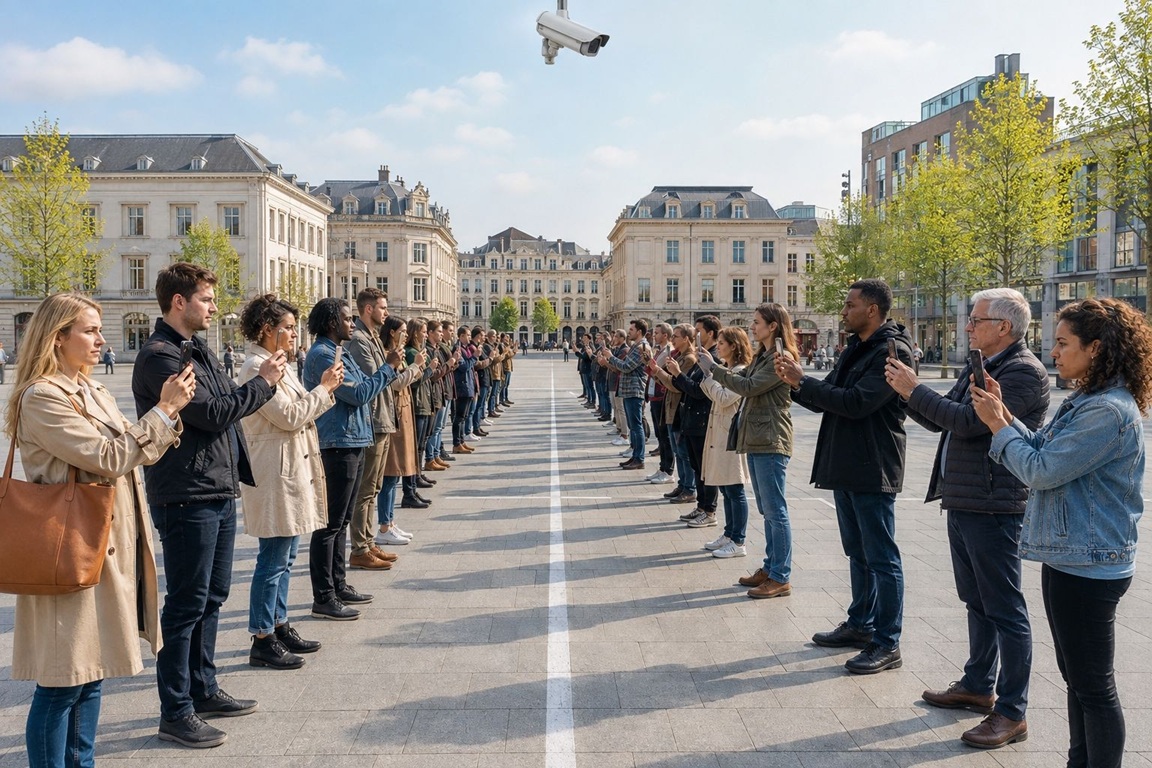
In 1984, the state watched through screens. There were secret services, snitches, and officials in gloomy coats. A costly operation. Nowadays, this can be done more efficiently. One half of the population voluntarily monitors the other half.
Unpaid.
Everyone has become a watchdog. The neighbour judges your waste sorting, the colleague your choice of words, and the passerby photographs your car that's wrongly parked. On social media, there are constantly public trials in which the evidence usually arrives after the verdict has already been pronounced.
The modern snitch no longer needs to go to a counter. He has a report button.
That doesn’t make him a snitch, of course. He’s concerned. He protects social safety, fights disinformation, or helps create an inclusive environment. In the past, people whispered behind curtains. Now they post the accusation along with a screenshot and moral posturing.
The government only needs to provide the right words. Inappropriate. Unsafe. Harmful. Radical. Once the label is applied, the public takes over the investigation. Anyone who still asks questions thereby confirms their suspicious attitude.
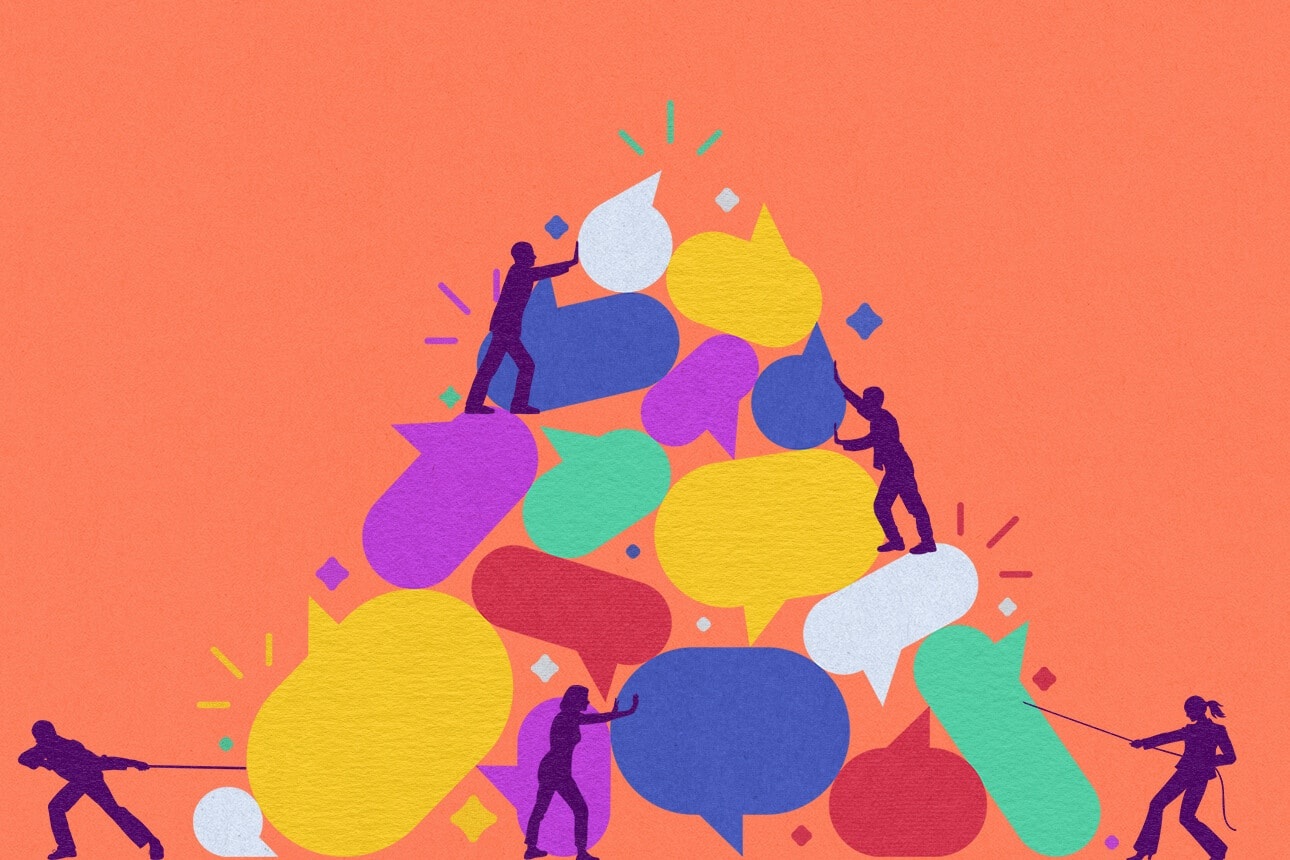
So fifty per cent checks the other fifty per cent. Which half belongs to which depends on the topic. For climate, one neighbour monitors your wood stove. For health, someone else keeps track of your vaccinations. At the office, someone notes your joke, and online a stranger keeps track of which posts you once liked.
We are both prison guard and prisoner at the same time. That is administratively quite convenient.
After all, the most beautiful prison isn’t the one with the highest wall, but the one where the residents prevent each other from escaping. Give everyone a camera, a moral code, and a little sense of power, and no guard needs to be anywhere anymore.
Big Brother became unnecessary as a result. He didn't need to oppress us. He just had to build a society where surveillance was sold as responsibility and betrayal as engagement.
Orwell wrote that Big Brother was watching you.
He couldn't foresee that we would eventually fill in for him.
(Orwell's 1984)