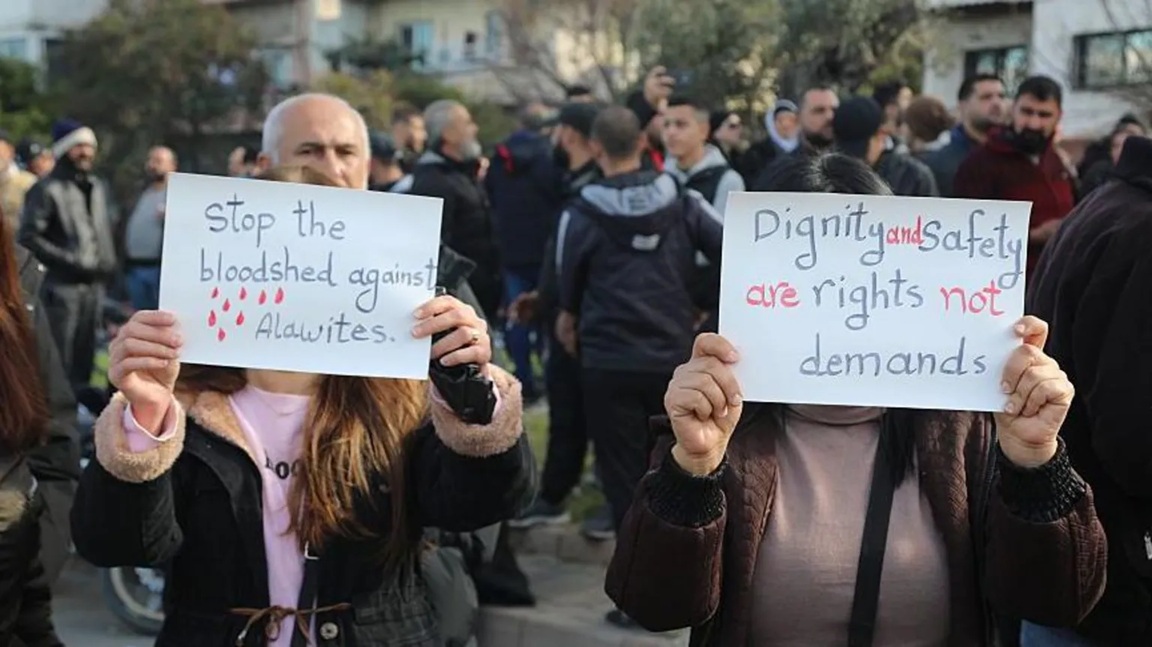
A new international study has drawn attention to the growing body of evidence concerning the abduction, disappearance and sexual violence targeting Alawite women and girls in post-Assad Syria. Published as part of the International Institute for Religious Freedom (IIRF) Report Series and the Jahrbuch Religionsfreiheit 2026, the study, by German anthropologist Dr Jens Kreinath, examines the nature and extent of reported abuses and raises urgent questions about protecting religious minorities and the persistence of impunity in Syria. “The suffering of these abducted and disappeared women cannot remain hidden,” said Kreinath.
By Rafic Taleb
The Institute for the Documentation of Human Rights Violations against Religious Minorities in the Levant (IDHRV-ARMIL) welcomed the publication, describing it as an important contribution to documenting human rights violations and pursuing accountability.
Entitled A Critical Assessment of Media Reports and Documentation Efforts on Sexual Violence Against Alawite Women in Syria, the study synthesises and critically evaluates evidence from international media investigations, human rights organisations, United Nations mechanisms, survivor testimonies and independent documentation initiatives.
It identifies recurring patterns of alleged sectarian targeting, abduction, coercion, forced marriage, sexual violence, intimidation of families, suppression of testimony and obstruction of investigations.
The report argues that these incidents should not be examined merely as isolated criminal acts, but within the broader context of gender-based and sectarian violence affecting vulnerable religious minorities in Syria.
The findings reveal a troubling convergence of evidence across investigations by Reuters, the BBC, Amnesty International, United Nations Special Procedures, The New York Times, CNN, and other organisations. While examining the strengths and limitations of existing reporting and documentation efforts, the study highlights the consistency of recurring allegations and the difficulty of establishing the full circumstances of individual cases.
It also draws attention to the obstacles facing survivors and their families, particularly intimidation, fear of retaliation and the absence of effective mechanisms through which disappearances and abuses can be independently investigated. These conditions contribute to significant underreporting and make preserving reliable evidence even more urgent.
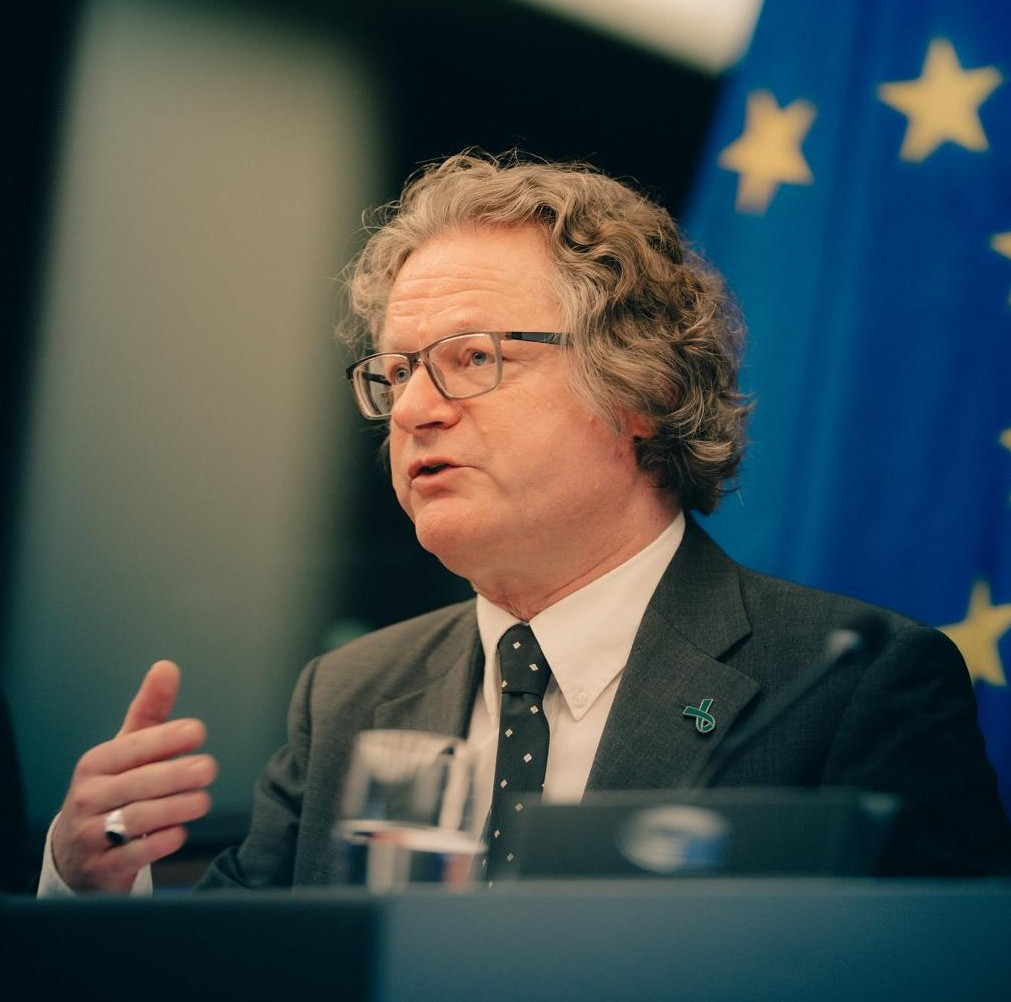
“The suffering of abducted and disappeared women cannot remain hidden behind denial, intimidation, or political expediency,” said Dr Jens Kreinath, founder and director of IDHRV-ARMIL and author of the report. “Survivors and their families deserve truth, protection, justice, and international solidarity.”
He further emphasised that documentation must not be regarded as an end in itself, but as a necessary foundation for accountability and preventing future atrocities.
The study also examines the documentation efforts undertaken by IDHRV-ARMIL, outlining an approach grounded in survivor protection, the triangulation of evidence, verification standards, strict confidentiality safeguards and the long-term preservation of material that may contribute to future accountability mechanisms.
In an environment where victims and their families may face threats, intimidation and social pressure, responsible documentation is essential to ensuring that testimonies can be collected without exposing survivors to further harm. By critically assessing available sources and identifying gaps in existing investigations, the report seeks to contribute to a more comprehensive understanding of the abuses and the conditions that allow them to persist.
The publication comes at a critical moment for Syria's religious minorities. Since the fall of the Assad regime on December 8, 2024, and the subsequent political transition under Ahmed al-Sharaa, concerns have continued to grow over the security of Alawite, Christian, Druze and other minority communities.
The violence targeting Alawite women must therefore be understood within a wider context of insecurity, sectarian tensions and threats to religious freedom. The suicide bombing at Mar Elias Church in Damascus in June 2025, which killed 25 people and injured 63, was a particularly devastating illustration of the dangers facing religious communities.
Subsequent reports of attacks against Christian homes and places of worship, including the destruction of property and the burning of St. Michael's Church in Al-Soura Al-Kabira, have further intensified concerns about the ability of minority communities to live safely and practise their faith without intimidation. Reports of desecration of Christian graves and repeated armed assaults in Suqaylabiyah have added to these fears.
Together, these developments raise fundamental questions about the protection of religious minorities during Syria's political transition and the willingness and capacity of the authorities to guarantee equal rights and security for all citizens.
The Syrian Observatory for Human Rights has also highlighted the IIRF study's findings, underscoring the significance of the reported abuses and the need for further investigation. The convergence of international media investigations, human rights documentation and survivor accounts makes clear that the allegations demand serious and impartial examination.
Establishing the full scale of the violations, identifying those responsible and determining the extent of institutional involvement will require independent investigations and unhindered access for credible monitoring bodies. Political expediency or the absence of effective official investigations should not be allowed to prevent the pursuit of truth.
In response to these findings, IDHRV-ARMIL calls upon national governments, United Nations agencies, human rights organisations and international institutions to support independent and impartial investigations into the abduction, disappearance and abuse of women from religious minority communities. It urges strengthening witness-protection and survivor-support mechanisms, preserving digital and documentary evidence before it is lost or destroyed, and ensuring meaningful accountability for perpetrators, whether state or non-state actors.
The institute also stresses the need to prioritise the protection of women and girls belonging to vulnerable religious and ethnic minorities and to expand international monitoring and reporting efforts concerning sectarian and gender-based violence in Syria.
IDHRV-ARMIL further emphasises that survivors' voices and experiences must remain at the centre of all documentation, advocacy, and accountability efforts. Fear of retaliation and threats against victims and their families continue to discourage reporting, allowing abuses to remain hidden and perpetrators to evade scrutiny.
International institutions and policymakers must therefore recognise that violence against minority women is not a peripheral concern, but a critical indicator of the broader human rights situation in post-conflict Syria. Protecting these women is inseparable from protecting the communities to which they belong and from the fundamental obligation to guarantee equal rights and dignity, regardless of religious identity.
“Silence benefits perpetrators,” IDHRV-ARMIL stated. “Every documented testimony, every verified case, and every act of international solidarity contributes to the struggle against impunity and to the protection of those whose rights and dignity are under threat.”
Ultimately, Syria's future will depend not only on political stability and reconstruction, but also on whether its emerging institutions can guarantee security, justice and equal citizenship for all. The treatment of religious minorities, and particularly the protection of women and girls exposed to sectarian and gender-based violence, will be a decisive measure of the country's commitment to human rights and the rule of law.
For those who have been abducted, disappeared or subjected to abuse, promises of reform and reconciliation will remain hollow without truth, protection and accountability. The international community must ensure that their suffering is neither forgotten nor obscured by political considerations.
Protecting Syria's religious minorities is not simply a humanitarian responsibility; it is an essential condition for a peaceful, inclusive and just future for the country and the wider Levant.