by Areej Zaher*
They fled their homeland escaping terror, violence and raging fire, seeking a better life and affording a safe shelter for their families. However, these Syrian refugees seemed to go from the frying pan into the fire! Things didn't go well for them as they had planned, while things went up great for others.
Both internal and cross boarder Immigration had their advantages and disadvantages for people which were pictured clearly via the media. While some people stated up a new life achieving what they wouldn't even dream of accomplishing in their countries, migrating took its toll for some unfortunates making them willing to go back to their home and put up with what seem like more tolerable situations among continuous clashes and dehumanization; better to beg for parcels of food or live in camps that lack basic human needs like sanitary. And above that to be treated as lowlife homeless people. Not to mention the horrific violence they may have gone through, conducted by some militia fighters who carried their unmerciful acts and extreme beliefs along with them.
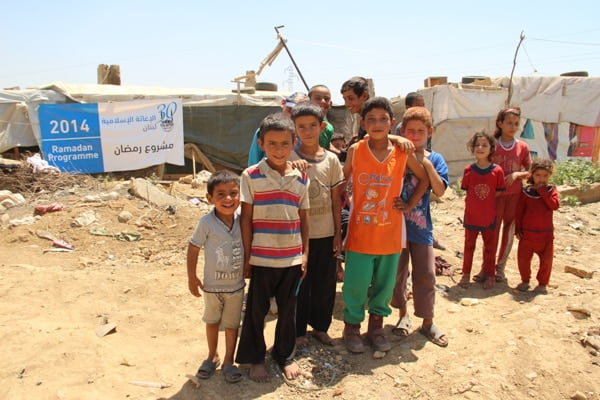
According to the UNHCR, Syrian refugees were estimated about over 5.6 million people in neighboring countries or beyond, fleeing the bullets and the bombs that have devastated their homes and peaceful life. Turkey hosts the largest number of registered Syrian refugees (about 3.3 million). On the other hand, in Lebanon life is a daily struggle for more than a million Syrian refugees, who make basic life needs as workers in different kinds of jobs for salaries much lower than the average ones for Lebanese people. Around 70% live under the poverty line. Syrian refugees are scattered throughout more than 2,100 urban and rural communities, because there are no formal camps. This refugees presence has caused accommodation problems and less jobs for the Lebanese. Jordan has its fair share of Syrian refugees that are estimated about over 655,000 men, women and children who are still trapped in exile, and who are afraid of returning back to their homeland, to face a resentful government from one side and militias from the other. Approximately 80% of them live outside camps, while more than 139,000 have found sanctuary at the camps of Za'atari and Azraq. Many have arrived with limited means to cover even basic needs, and those who could rely on savings from host families are increasingly in need of help, according to the UNHCR. It is estimated that 93% live below the poverty line. Iraq has also seen a growing number of Syrians arriving, about 246,000. While in Egypt the UNHCR provides protection and assistance to more than 126,000.
Turkey has a strict law when it come to undocumented Syrian refugees, whom can be arrested, detained or even departed back to war zone. Human right groups says that is a violation of international law.
The refugee issue is debated both domestically and amid tense relation with the EU. Despite the apparently high numbers, the UK is still behind other European countries when it comes to the resettlement of Syrian refugees, according to the Independent. The UK's resettlement scheme was highlighting the need for further support to the refugees on the road of employment. Other proposals included strengthening the provision of appropriate housing and making family reunification planning more integral. Despite the language and cultural barriers, we can sense an aspiration due to a new research was conducted in the University of Glasgow that showed the majority of young Syrian refugees aged between 18 to 23 in the UK are either working (27%) or studying (36%), refuting the claim that many are reluctant to work, and live on social welfare benefits.
According to the UNHCR, though it was a fraction of an estimated five million, 31,000 abroad Syrian refugees have returned to their homeland this year. Since 2015, about 260,000 refugees have already returned to Syria, primarily from Turkey. Recent Astana and Geneva peace talks were promising. However, the UNHCR is suspicious about whether it is safe for refugees to return.
Finally, we can't but mention that 300,000 Syrians have lost their lives since the beginning of war, which was flared with anti-government protesters.
*Areej Zaher is a Syrian journalist based in Latakia.