In April 2022, a roadmap to peace lay on the table. In Istanbul, Russia and Ukraine negotiated a deal that could have ended the war before it became a bloodbath. Ukraine would renounce its NATO ambitions in exchange for international security guarantees. Crimea and parts of Donbas would be provisionally recognised as Russian, but with room for future discussions.
A painful compromise? Certainly.
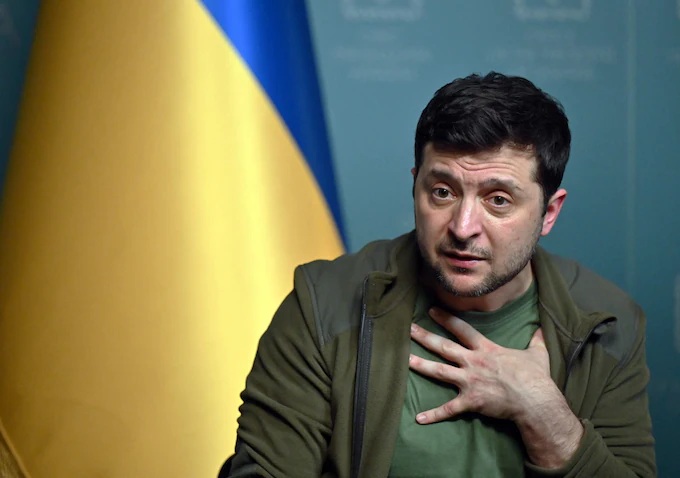
But the alternative was catastrophic, and that’s precisely what Volodymyr Zelensky chose.
The cost of delay
Today, almost three and a half years later, at least 20% of Ukraine is under occupation. The industrial backbone of the country – ports, mines, factories – lies in Russian hands. The human toll is staggering: estimates suggest over 800,000 Ukrainians have died. In 2024, more than 1,000 soldiers died each day on average, according to internal NATO reports and U.S. intelligence sources. Yet Zelensky insists it’s only around 100,000. A lie designed to maintain Western support.
The arrogance after Kyiv
After Russian forces withdrew from Kyiv in March 2022, Zelensky became intoxicated with his own legend. Western leaders – led by Boris Johnson – assured him Ukraine could win. Johnson flew to Kyiv to sabotage the deal, under pressure from Washington and London. Peace was traded for geopolitical gamesmanship. While thousands died in trenches, the great powers played chess.
A war of egos
Zelensky knew a military victory was impossible. Yet he chose prestige, standing ovations in foreign parliaments, and the illusion of heroism. Every diplomatic opening was rejected, every critical voice silenced. His strategy? International sympathy, endless weapons shipments, and total national exhaustion. Not to win – but to avoid concession.
Europe as collateral damage
Meanwhile, Europe pays the price: hundreds of billions in aid, soaring inflation, energy poverty, a refugee crisis, and a nuclear threat not seen since the Cold War. And for what? A war that could have ended in April 2022 – with Ukraine intact, albeit neutral. Instead: devastation.
Peace sabotaged
Responsibility for this tragedy does not lie with Zelensky alone. Boris Johnson, Joe Biden, Ursula von der Leyen, and Jens Stoltenberg all played a decisive role in torpedoing the peace process. They knowingly chose escalation. For arms contracts. For strategic positioning. For prolonged conflict. Their hands are equally stained with blood.
A case for The Hague?
There’s a strong legal and moral argument that these leaders should be prosecuted for complicity in war crimes. By sabotaging a clear opportunity for peace that could have spared hundreds of thousands of lives, they became co-authors of prolonged suffering. The International Criminal Court must not be selective. If shared responsibility is to mean anything, these names must be brought to the docket.
History will not remember Zelensky as the hero of Kyiv, but as the man who abandoned peace for glory. His decision in April 2022 turned a regional crisis into a continental catastrophe. What could have been lost then was painful – but what has now been lost is irreparable.