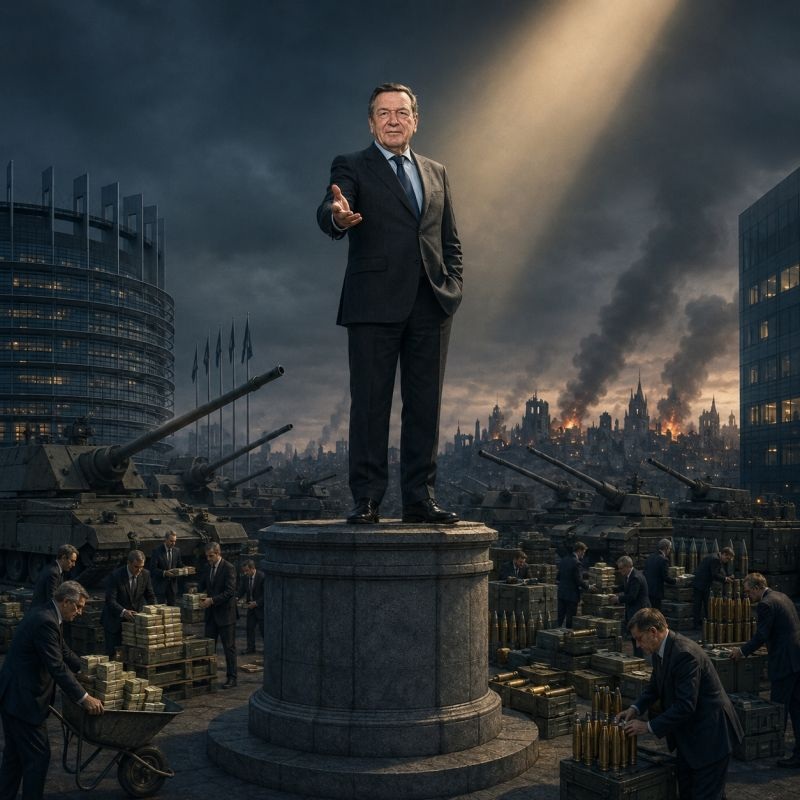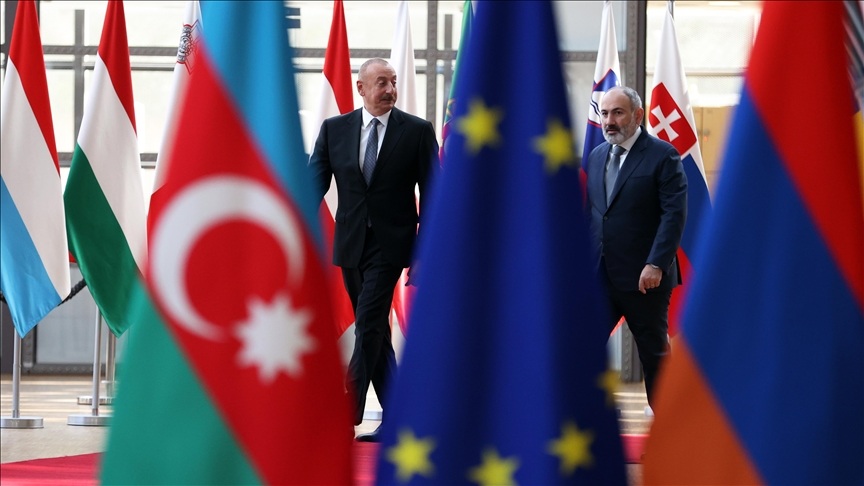
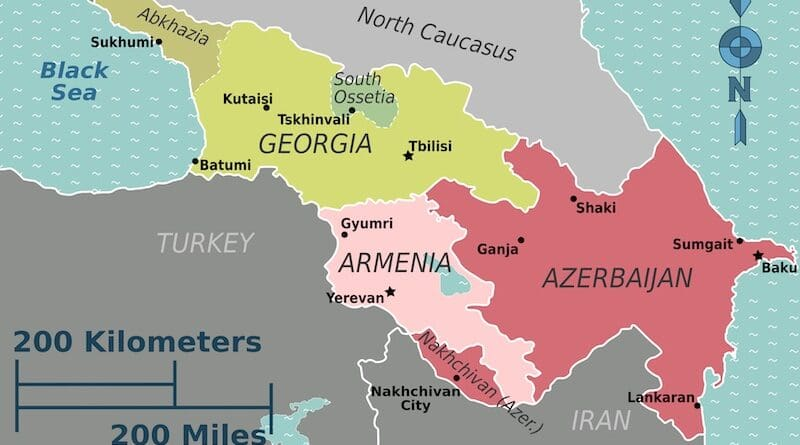
Armenian voters will head to the polls (June 7) in what may be the most consequential parliamentary election in the country's post-Soviet history. The vote is also a referendum on Prime Minister Nikol Pashinyan’s peace agenda – on the Washington Joint Declaration with Azerbaijan, the initialled 17-article peace agreement, the unblocking of regional connectivity, and Armenia's gradual emancipation from dependency on Moscow. Precisely because the stakes are this high, external forces – including some political circles in Russia, pro-Armenian groups operating inside European institutions, and a diaspora-financed lobbying apparatus that has recruited figures to influence the outcome and influence the peace process.
By Vasif Huseynov
Their target is not only Pashinyan; it is also the Armenia-Azerbaijan peace process as a whole that has made noteworthy progress since the Washington summit of the two countries’ leaders in August last year.
The Russian government's discontent with Pashinyan's Western-oriented stance is no longer a secret. A long range of institutions and media outlets linked to the Russian government are actively participating in the campaign against Pashinyan. These forces have instrumentalised the former Armenia-Azerbaijan conflict, presenting the liberation of Azerbaijan’s occupied territories as a loss for the Armenian government and purportedly the result of Pashinyan’s leadership.
Moscow publicly supports the pro-Russian candidates in the elections, hoping that a change in government would bring a radical shift in Armenia’s foreign and domestic policies.
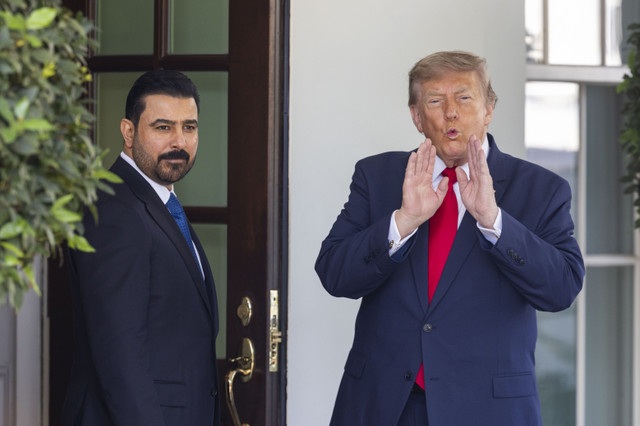
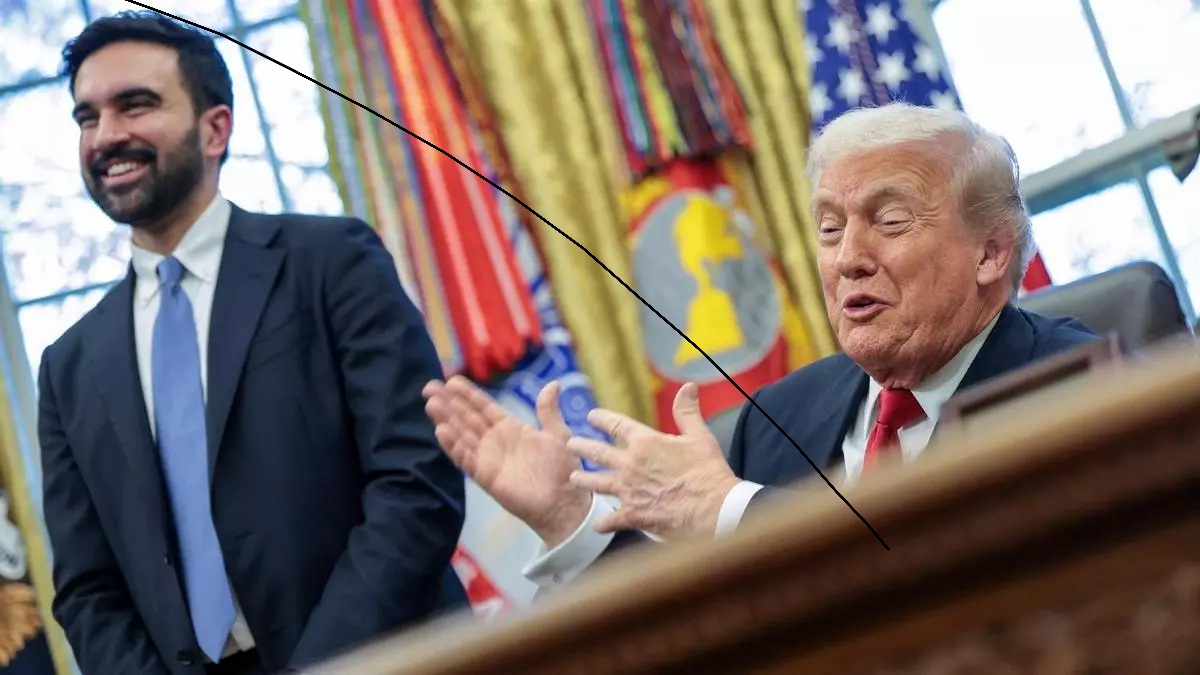
This has also been articulated by President Vladimir Putin, who, on 1 April, while hosting Pashinyan in Moscow, spoke openly about Armenia’s domestic vote. He expressed the hope that “pro-Russian political forces” would be able to participate in the elections, lamented that some sit in pretrial detention, and reminded his guest that Moscow expects its preferred actors at the table.
He coupled this with a thinly veiled economic warning — that Armenia “cannot be in two customs unions at the same time” — a message clarifying what awaits Yerevan should it deepen its EU trajectory. Pashinyan pushed back, noting that Armenia's Constitution permits only citizens with exclusively Armenian passports to stand for parliament. But the message had been delivered.
If interference came only from the north, it would be straightforward. It does not. The more uncomfortable truth — uncomfortable particularly for Brussels — is that significant currents within the European Parliament and certain national legislatures have, wittingly or not, aligned themselves with narratives that revive rather than resolve the conflict.
The resolution adopted in the European Parliament on 30 April under the heading “supporting democratic resilience in Armenia” is, in part, constructive: it welcomes the peace process and the EU-Armenia summit.
Yet its several articles are also riddled with formulations — on alleged ethnic cleansing, on cultural heritage, on the so-called “unjust detention” of Armenian individuals tried for serious wartime offences — that reproduce, almost verbatim, the talking points of opposition forces seeking to mobilise revanchist sentiment ahead of 7 June. Each such formulation hands
Pashinyan’s domestic opponents a free European stamp of approval; each gives diaspora lobbyists a fresh paragraph to brandish.
Similar resolutions were adopted by the Belgian Federal Parliament and the Dutch Tweede Kamer on 16 April. These are not contributions to peace. They are attempts to relitigate the conflict's outcome from European parliamentary chambers, at the precise moment Yerevan and Baku have agreed to close that chapter.
Ambassadors were summoned in Baku; Azerbaijan’s parliament rightly described the resolutions as a “provocation against the ongoing peace process.” Whose peace agenda do they serve, if not that of the very forces in Armenia openly campaigning to overturn the August 2025 settlement?
The third vector is perhaps the most disturbing because it operates in the grey zone between activism, lobbying, and outright political subversion. The Armenian diaspora groups that have joined the campaigns against the peace process and Pashinyan’s government are very active players in this third vector.
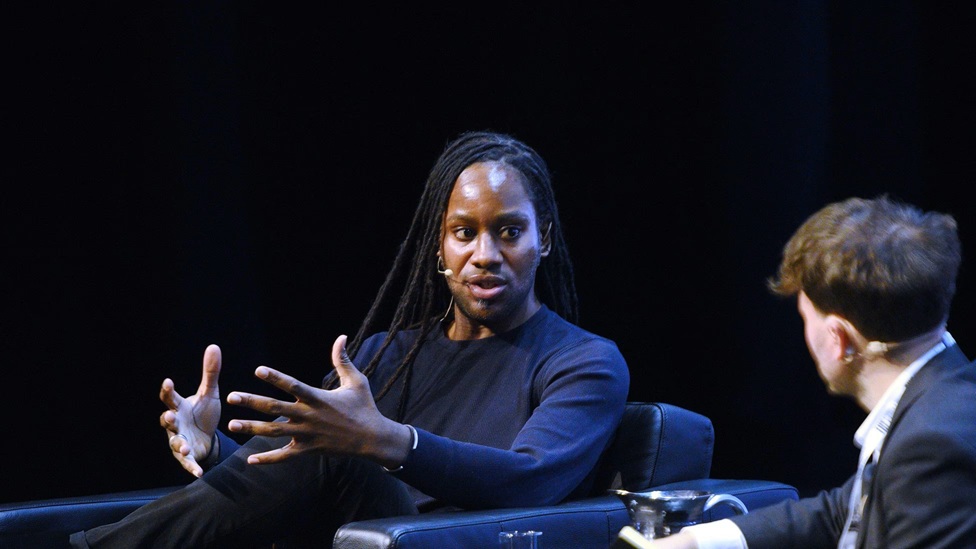
One such figure is Luis Moreno Ocampo, whose cause has converged into what looks increasingly like a coordinated effort to influence the outcome. The former Chief Prosecutor of the International Criminal Court (ICC) has been heavily involved in accusing Baku of an alleged humanitarian crisis in Karabagh and holding Azerbaijan accountable for actions against Armenians.
Unsubstantiated claims that cast an uncomfortable dark shadow over the peace efforts.
Ocampo, recruited by diaspora networks to lend an internationally recognisable name and a prosecutor's vocabulary to their cause, has recently openly called for Pashinyan's overthrow. For several years, he has, in that capacity, produced a stream of legally tendentious “expert opinions” branding Azerbaijan's conduct as genocide – claims rejected by every serious international institution that has examined the South Caucasus, but useful as ammunition for diaspora lobbies in Washington, Paris, and Brussels.
Now, thanks to a recently published video interview, the project that recruited him stands exposed in his own words. In recorded conversations, Ocampo boasts that he has “in his team” a former senior aide to ex-EU foreign policy chief Josep Borrell – and that this individual now lobbies inside the European Parliament on his behalf to “put pressure on Commissioner von der Leyen” and bend European policy.
His son Tomás is even more candid, declaring that the goal of their campaign is, quite simply, "to remove Pashinyan." Set aside the staggering ethical breach of a former international prosecutor admitting on camera that he has embedded a paid operative inside the EU's legislative chamber.
The political implications are graver still. Here is direct, recorded evidence that an externally financed network — funded, by various accounts, through Russian-resident Armenian oligarchs – has been operating simultaneously inside European institutions and inside Armenia's electoral process, with the explicit objective of toppling the elected prime minister of a sovereign state. This is, by any reasonable definition, foreign interference. That it dresses itself in the language of human rights makes it more insidious, not less.
It also closes a circle that observers have long suspected but rarely stated plainly. The same narratives — Pashinyan as “traitor”, the peace agreement as “capitulation”, the South Caucasus as a theatre of unfinished grievance — flow from Moscow press conferences, through diaspora-funded lobbying outfits, into European parliamentary motions, and back into Yerevan’s pre-election discourse. They are the same talking points wearing different uniforms.
For Brussels, a moment of self-examination is overdue. The EU has invested considerable political capital in Armenia: the CEPA, the EU Mission, the new EU Partnership Mission tasked with countering hybrid threats, the €270 million resilience plan, and the historic summit in Yerevan on 4 May. That investment is now being undermined from within Europe's own institutions by actors who, whether through ideological capture or simple inattention, lend their names to motions and campaigns whose practical effect is to embolden the very forces seeking to derail the peace.