What a time to be alive. Where political movements once had to persuade members, develop ideas, and win over voters, the modern European left has discovered a more efficient route: import new citizens and call it humanity.
The old democracy was cumbersome—debates, campaigns, accountability — endless hassle. The new version is more elegant: open the door, hand out papers, change the voting law, and present it as compassion. A ballot box wrapped in humanitarian packaging.
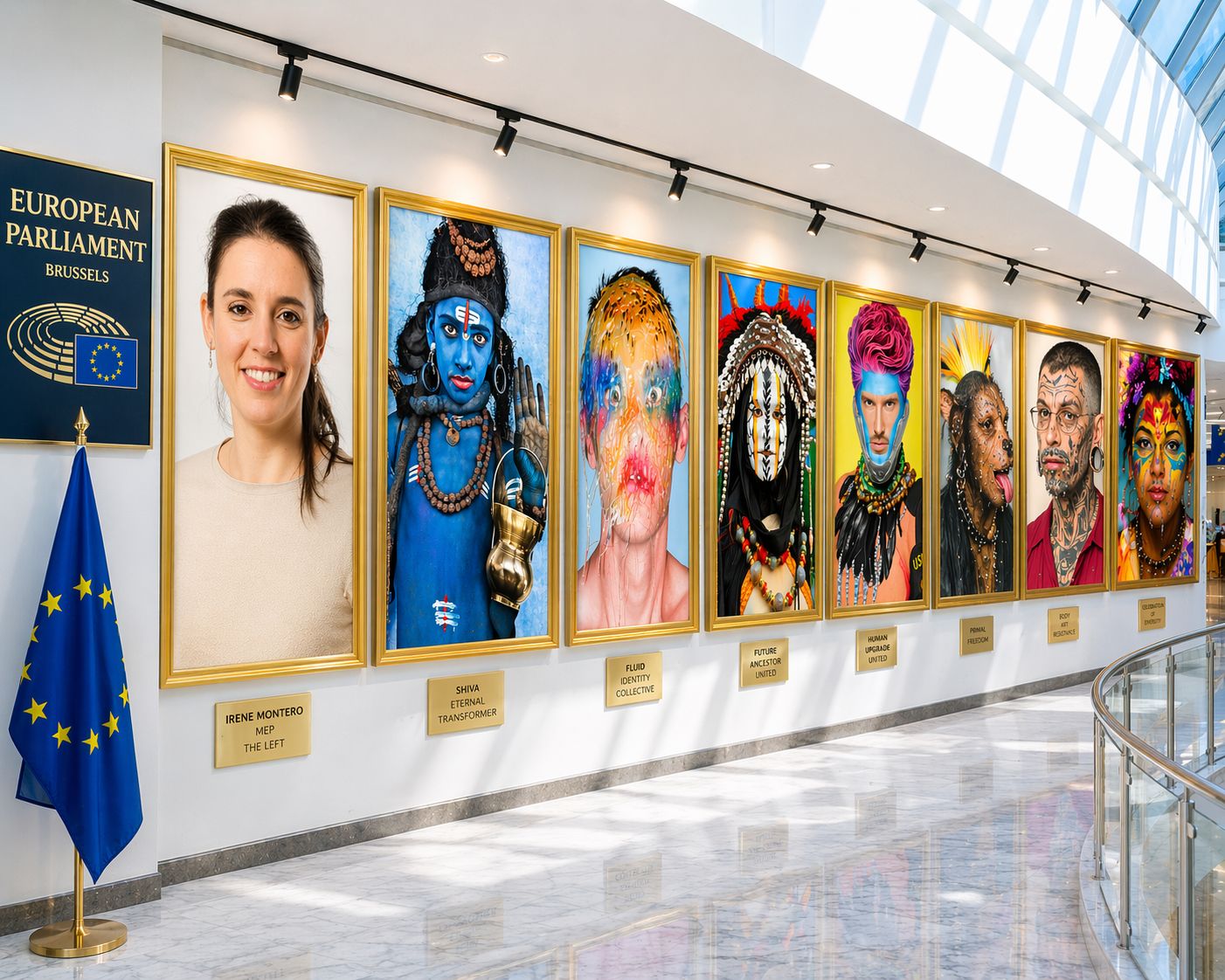
Irene Montero said out loud what others prefer to whisper: first, regularise them; then grant nationality or change the law so they can vote. Almost refreshingly honest. Normally, such a strategy is wrapped in jargon about inclusion, participation, and social cohesion. She skipped the marketing layer and read directly from the playbook.
It is also an admirable piece of political innovation. Where parties once sought the voter, they now prefer to seek a new voter. Why listen to dissatisfied citizens when you can organise a demographic alternative?
And of course, no one is allowed to ask questions about it. Anyone who wonders whether migration policy may also have electoral motives is immediately displayed as heartless, xenophobic, or backward. The debate follows a simple script: they manage the inflow, you receive the stigma.
Meanwhile, the ordinary citizen watches as housing becomes scarcer, public services become more crowded, and wages come under pressure. At the same time, the governing elite solemnly explains that the real problem is the tone of the debate.
The finest part remains the moral packaging. Every strategic move is sold as an ethical necessity. Every criticism is a threat to democracy. As if democracy means that the population only counts for as long as it votes in a politically useful way.
But perhaps we should appreciate the honesty. Sometimes someone accidentally says the quiet truth out loud. And then it becomes clear that some parties are not afraid of losing voters — only afraid of running out of them.
Welcome to the new Europe: where borders are optional, criticism is suspicious, and electoral victory can now be delivered by boat.