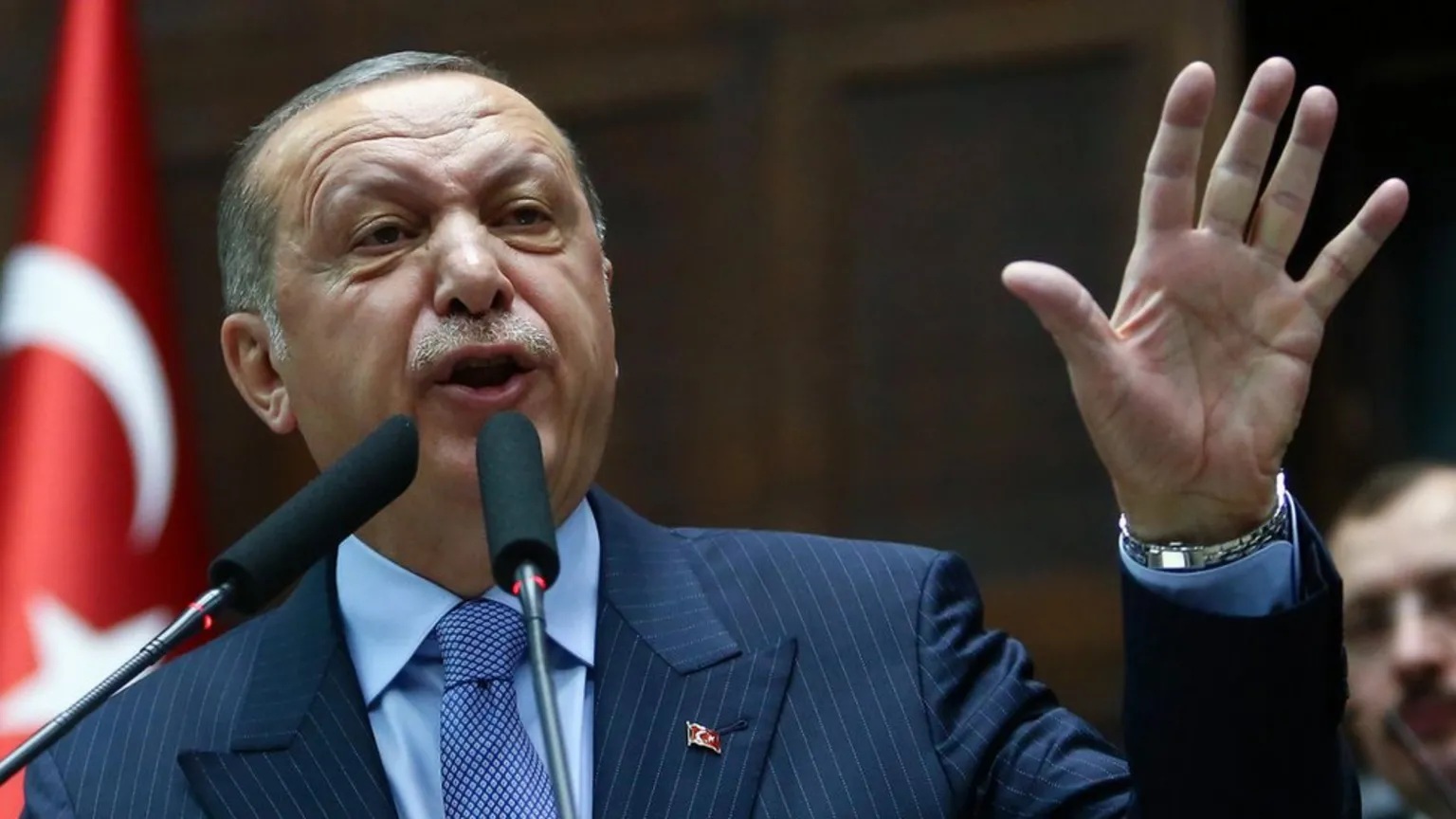
The ruling Justice and Development Party (AKP) of Turkish President Recep Tayyip Erdoğan
has systematically weakened the independence of the Turkish judiciary and shaped institutional rules and norms in its favour. A process that constrained opposition actors and undermined the checks and balances of democratic competition.
By Ahsan Ali
This process of erosion occurred over decades through constitutional overhauls, most notably the 2010 and 2017 referendums, and sweeping purges of thousands of judges and prosecutors following the 2016 coup attempt.
The aftermath of the 2016 coup attempt reconfigured judicial autonomy and altered the balance of power among state institutions. This increased the executive's influence over political and legal processes, shaping the broader environment for the opposition.
The judiciary has altered the state's status quo and has faced subsequent questions about its independence, as in 2022, when prominent Istanbul mayor Ekrem Imamoglu faced a sentence and political restrictions just before the 2023 elections. Ekrem Imamoglu has been widely popular and considered a serious contender to President Erdogan’s authority.
His re-arrest in 2025 intensified the consolidation of political authority and weakened opposition influence, especially after his removal as mayor. The case of Ekrem Imamoglu is perceived as significant because, historically, the Mayor of Istanbul has been a major pathway to national leadership in Turkish politics. Several prominent political figures, including President Erdogan himself, have risen as the Mayor of Istanbul.
The ousting of Republican People’s Party (CHP) leader Ozgur Ozel signals a potential phase of further weakening the opposition by sowing internal divisions ahead of the 2028 elections. The party’s leadership is in crisis, with intra-party discord and uncertainty over the viable candidate in the upcoming electoral mandate.
The judicial interference in the internal dynamics of CHP is an open use of the state apparatus against the political opponents. Growing pressure on political figures has contributed to growing debate over the resilience of democratic competition, tendencies, and the autonomy of Turkish opposition parties.
The removal of CHP leader Ozgur Ozel and Ekrem Imamoglu affects CHP fragmentation, cohesion, and electoral effectiveness in future elections. The dynamic will likely affect strategic capacity as internal divisions and leadership uncertainty may hinder its ability to present in the elections with a clear mandate.
Handing over CHP leadership responsibilities to Kemal Kilicdaroglu can reinforce debates on leadership, ideological clarity, and party direction. If any prolonged internal disputes lead to breakaway political factions within the CHP, there may be questions about the CHP’s political vision, strategic capacity, and long-term trajectory.
CHP must resolve internal disputes as prolonging them can lead to voter fatigue and gradual erosion of trust among CHP constituencies. Persistent leadership uncertainty and factionalism risk weakening the party’s foundations of social cohesion, undermining its ability to present as an alternative in the next elections.
The state's consolidation of executive power in the post-2016 coup has weakened the judiciary and parliamentary authority. President Erdogan has strengthened the executive, winning popularity and shaping policies around political Islam, contributing to his long-standing pivotal role in the political system.
CHP’s role is significant in balancing the political and social dominance of President Erdogan and his administration. As the main secular opposition force, it is seen as a counterweight in the Turkish political landscape, contributing to ideological balance in the influence of political Islam on governance.
Meanwhile, President Erdogan has strengthened executive authority and pursued institutional restructuring, and he has also consolidated AKP dominance amid opposition party fragmentation. It is about the dynamics of divide-and-manage politics, weakening opposition authority and presence.
Even if President Erdogan declines to run again in the 2028 elections, he may still retain significance through informal and institutional channels with another candidate as President. In such a scenario, he could be an influential figure in shaping strategies and policies, operating in a political environment marked by a weakened opposition force.