We spend so much of our lives learning how to control what we show people that certain reactions eventually become almost automatic. We smile for photographs even when we are exhausted, nod politely through conversations we have already mentally left, straighten our posture before walking into an important room and say “I’m fine” even when the truth is far more complicated. Our faces become skilled performers, yet our eyes often seem less willing to follow the script.
Perhaps that is why we instinctively look into someone’s eyes when we are trying to understand them. Before we analyse what they are wearing or even what they are saying, we search their gaze for warmth, hesitation, sadness, attraction, reassurance or discomfort, often without realising we are doing it. Someone may choose their words carefully, but something about the eyes makes us feel we are getting closer to what is happening beneath the surface.
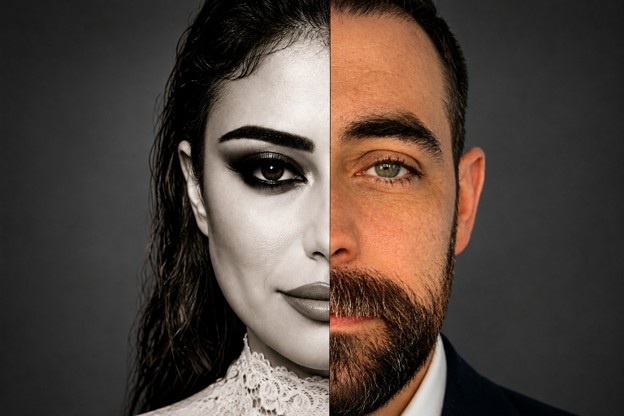
It may also explain why portraits can feel so intimate. A photograph captures an entire face, yet it is often the eyes that make us stop, look again and wonder about the person in front of us.
For centuries, we have romanticised them as windows to the soul, written poetry about them and transformed ordinary colours into elaborate metaphors whenever they belonged to someone we loved. Brown becomes honey, green becomes a forest, and blue becomes an ocean, although perhaps the fascination was never really about the colour itself. It was always about who was looking back at us.
What makes eyes even more intriguing is how dramatically they can seem to change while remaining physically the same. The eyes of someone laughing uncontrollably can look entirely different after heartbreak, a sleepless night or an unexpected reunion with someone they have missed for years. Their colour and shape have not changed, yet the face feels different because emotion alters how we hold our gaze, the muscles around it, and how we look toward or away from another person.
This may be why eye contact can turn an ordinary interaction into something memorable. Hold someone’s gaze for slightly longer than expected and the moment can suddenly feel intimate, uncomfortable, confrontational or electric, depending entirely on who is standing in front of you. Sometimes we even communicate entire conversations this way. A friend sitting across a dinner table can silently ask to be rescued from an awkward conversation, a parent can warn a child with a single glance, and two people attracted to each other can exchange looks all evening while pretending nothing is happening.
Still, the familiar idea that eyes “never lie” is probably too simple, because the person doing the looking is never entirely objective. We interpret people through our own experiences, expectations and insecurities, which means shyness can appear as disinterest, exhaustion can look like sadness, and confidence can easily be mistaken for arrogance. When we desperately want someone to like us, warmth may start to resemble attraction, while fear of rejection can make the same expression feel distant.
Perhaps the eyes do reveal something, but we also bring something of ourselves to whatever we think we see in them. Every gaze is filtered through our memories, hopes, fears and previous experiences, which means looking into another person’s eyes is never simply an act of observation. It becomes a meeting point between who they are, what they may be feeling and what we believe we recognise.
Time adds another layer to this. Faces age, expressions settle into familiar places, and fine lines begin documenting years of laughter, worry, sunlight, and sleepless nights, yet something often remains strangely unchanged in the eyes. When we compare an old photograph of someone we have known for years with the person standing in front of us today, we can often still recognise something of the younger version within them.
Eyes do not literally store our memories, but they carry traces of the lives we have lived, the people we have loved, the things we have witnessed and the moments that changed us.
Which may be why, when we truly want to know how someone is doing, we rarely stop at the smile.
We look into their eyes…