Legally, no. The Penal Code contains no article for a prime minister who governs his country for fourteen years as if it were a temporary branch on the way to a better position. Ambition is not a criminal offence, even when the taxpayer pays the hiring costs.
Morally, it becomes more interesting.
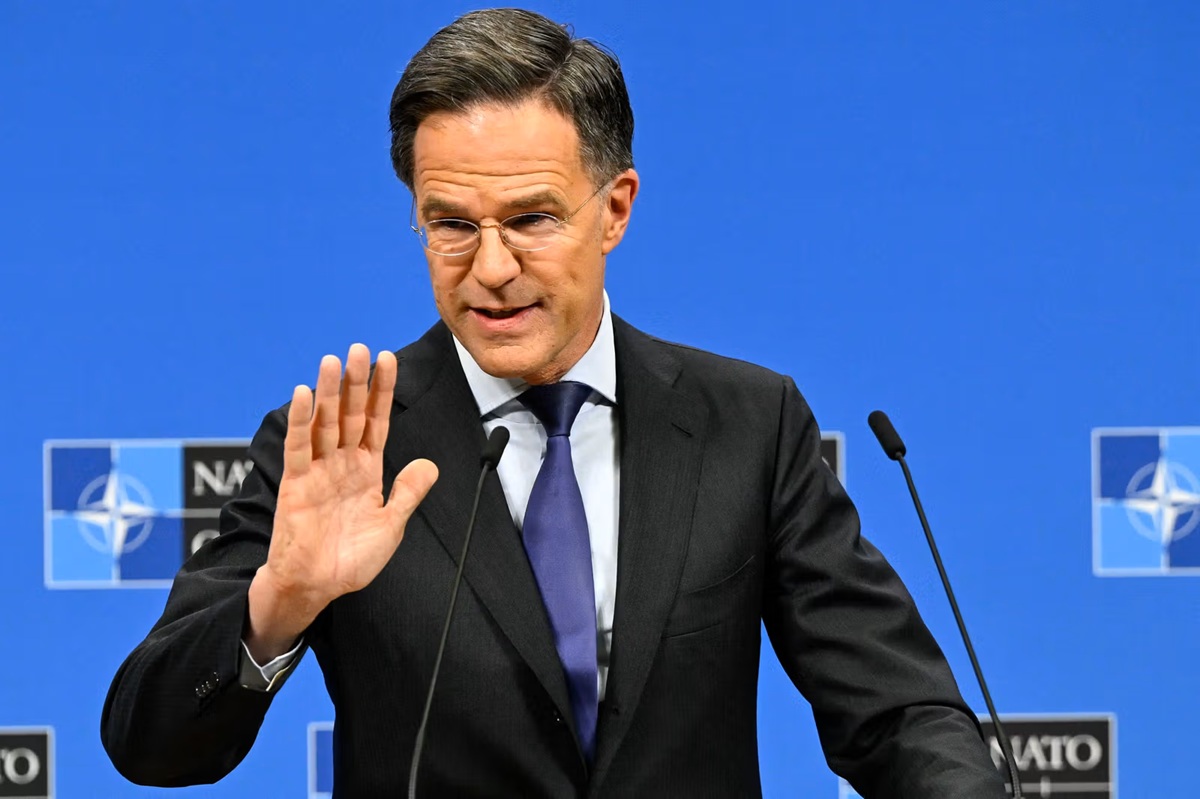
Rutte started as Prime Minister of the Netherlands and ended as Secretary-General of NATO. In between lay presumably the longest job application process in Europe. The Netherlands served as a CV, a testing ground, and a guarantee: a letter of recommendation including twelve provinces.
Under his leadership, families were ground to shreds in the childcare benefits scandal. Groningen was allowed to subside as long as the gas kept flowing. The housing market was freed from government interference and, shortly thereafter, from ordinary Dutch citizens as well. First-time buyers can still purchase a house, provided their parents do so first.
After every scandal, Rutte took responsibility. He pronounced the word carefully, adopted statesman mode, and forced someone else to resign. Citizens lost their homes or incomes. Mark sometimes lost a State Secretary. After all, a manager must also make sacrifices.
His memory worked selectively. International agreements remained crystal clear; domestic blunders disappeared behind a lack of active recall. A condition in which incriminating information is erased, while future top positions remain stored flawlessly.
Democracy was also modernised. Decisions were made first, after which Parliament was allowed to debate them. This gave MPs the feeling that they influenced without anything actually changing. Democracy as a child seat: you may help steer, but the steering wheel isn't attached to the wheels.
An old-fashioned traitor sold state secrets to the enemy. Rutte was more modern. He made national interests negotiable, relinquished control, and called that European maturity. The Netherlands was allowed to sit at the table wherever the bill was presented, usually at the place where it was presented.
Sovereignty, debts, and risks were shared. Only promotions remained personal property.
Then came NATO. The man who kept four cabinets afloat by pretending they were still alive was henceforth allowed to hold the West together. It is like appointing a funeral director as a cardiologist because of his experience with patients who have stopped beating.
So no, legally, Mark Rutte is not a traitor to the country. For that, there is no verdict, no official enemy, and presumably no correctly completed form in triplicate.
But when a prime minister leaves his country battered, is internationally rewarded for his reliability, and remains virtually undamaged himself, one question arises: to whom was he actually so reliable?
Perhaps Mark Rutte never betrayed the Netherlands.
Perhaps he saw it as the departure hall.