A colleague from Iran, Aran Ghaderpour (آران قادرپور), was so overjoyed at our article on Kawab Seeka that she had to share her experiences with us. She has two MA’s, is a published author (online stories hereand here), a theatre hack and critic, literary and art journalist and has a BA in translation.
By Emad Aysha
Beyond the arts, her passions are language (Persian, English, Kurdish, Italian) and climbing, scaling the walls of Aragats in Armenia and Sabalan in Iran. Her name, Aran, is a Kurdish name derived from the root for Iran (referring to the Azarbaijan region) and means ‘the silence of the desert’.
What drew you to drama and literature?
I was raised by a Kurdish grandfather, a man of the arts, including painting, poetry, and storywriting in both Kurdish and Farsi. Since I was 10, I've been writing stories, and I've kept journals for decades.
I am so blessed that my fictional world has been created since I was a little girl, and my first years of school have been passed during my country’s wartime, the Iran-Iraq War. Undoubtedly, I think Art has been my shelter and my safe company for years so far.
I am impressed by the Fantasy in Roald Dahl's literature and by Eugene O'Neill's playwriting. In the cinema by Tim Burton. My favourite Artists in my country are Goli Taraghi for her simplicity in prose and her deep view of the story, Sohrab Sepehri for his unique, creative world of poetry, and Shahram Nazeri for being a traditional Iranian musician who can awaken my archetypes through history.
Both my master's theses are based on Fantasy works—two influential absurdists, Edward Albee and Eugene Ionesco. To me, fantasy has always been my serious concern since I was a freshman at university; Fantasy deeply impacted me in literature and Theatre.
There is a reputable book, Fantasy for Children,by Mohammad Hadi Mohammadi, a brilliant theoretician and co-founder of the IRHCL (Institute for Research on the History of Children’s Literature). His theory book on the different subcategories of Fantasy in children’s literature worldwide remains one of the best scientific reference books in Iran, having been published in 1999. This book was written after spending 1 or 2 years in the Munich library and his research in this genre. During my first years of university, it guided me through the academic path, as well.
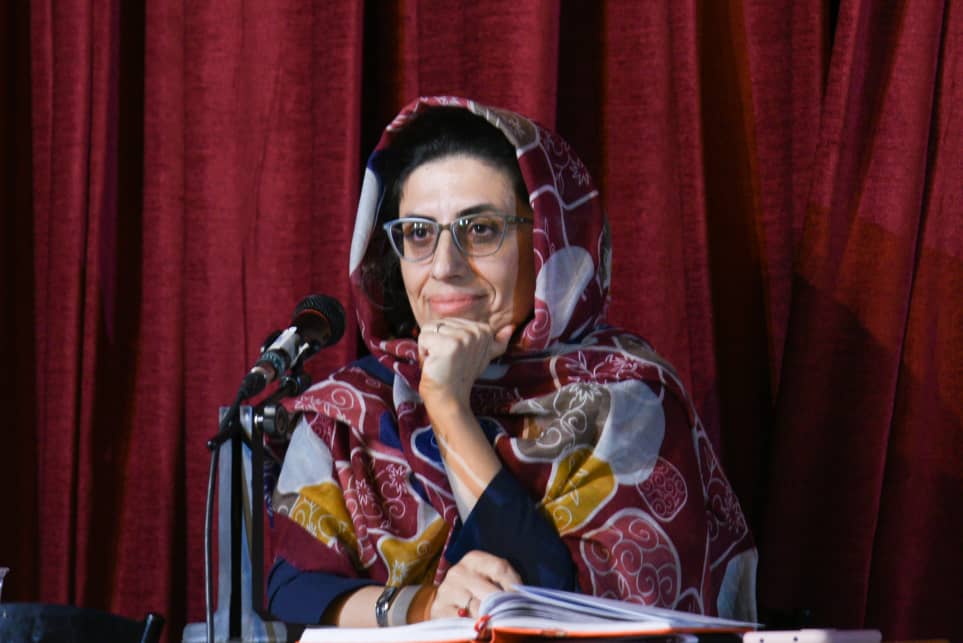
GLOCAL THEATRE: Aran Ghaderpour, author and art enthusiast from Iran, proving that cosmopolitanism is the only way to go to find your true, authentic voice. [Personal photos provided by interviewee]
Are your stories fantasy?
The main story of Farkhondeh’s Varnish Black Shoes centres on my grandfather’s house in Kermanshah, set in an old, historic district of the city. It was a big house with an old walnut tree in the middle of the yard, which seemed so imaginary to me when I was a kid, playing a lot with my cousins there.
When my family had to sell the house, I was inspired to record it in my memory in any possible real way, and my story unfolds there.
Farkhondeh is a young woman who narrates and flashes back to her past as she looks through every part of the house. The technique is mostly a stream of consciousness to help her remember past stories.
My second book, Samurai Hair Clip, features fictional characters in most of its stories, whose feet are, in reality, extraordinary in different ways.
While writing this book, I was truly inspired when I travelled to the ancient city of Tabas in the centre of Iran. It is located in the desert, and its geography sounds like an Egyptian mystery.
Do you have children’s SF theatre in Iran?
Yes, of course, there are some active groups, particularly those whose work is performed for children and young adults in specific Theatre halls.
In Iran, theatre is a dynamic art; there are numerous independent theatre groups, young and old, who produce works for various halls, particularly in Tehran. However, theatre is diverse and well-developed in many other cities of Iran, including major cities like Mashhad in the northeast and smaller historical cities like Kermanshah in western Iran, which is my hometown.
What theatre groups are you in?
My theatre group 'Sol' was formed in 2025, when we held our first English-language stage reading in a Theatre Hall in Tehran. It’s Red by John Logan, and I adapted it for the stage in a one-hour show and a radio drama version, too. The second-stage reading, which will be performed on the 10th of Jan, is an adaptation of Edward Albee’s Who’s Afraid of Virginia Woolf? I have created a collage form for this performance, based on Albee’s original text and Virginia Woolf’s novel To the Lighthouse. However, all the characters are female, and they also play male characters in the text to show our respect for and interest in Virginia Woolf’s true character as a writer. Furthermore, I have worked with several groups of International high school students and have prepared a short play by Albee, The Sandbox, for various school Drama Festivals.

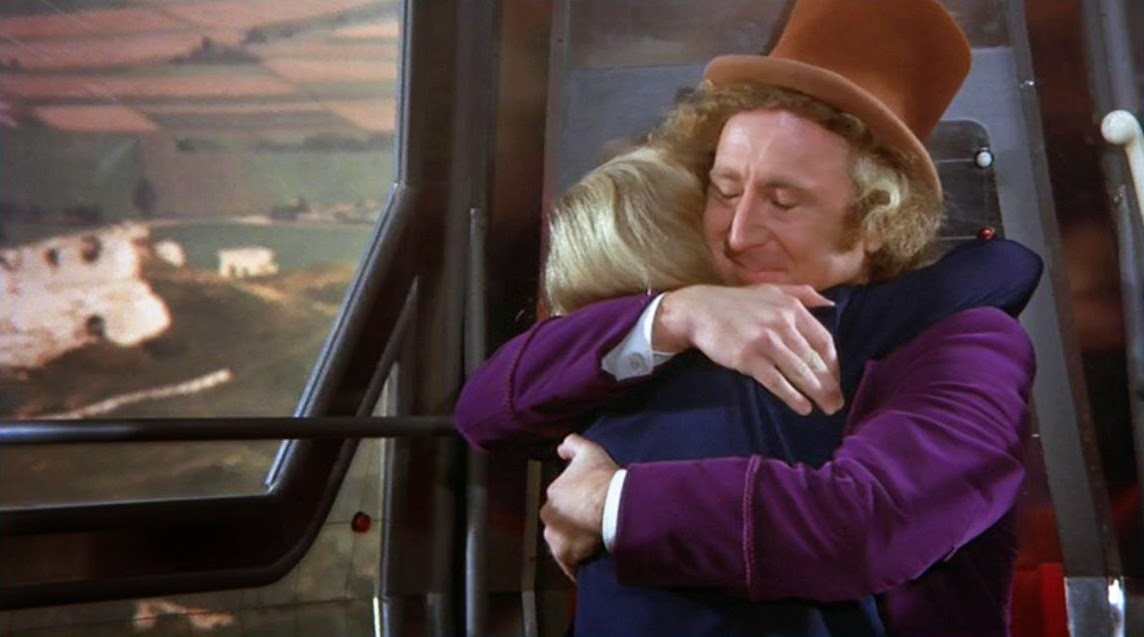
TARGET AUDIENCE: The screen version of Edward Albee's 'Who's Afraid of Virginia Woolf?' (1966), starring Richard Burton, George Segal and Elizabeth Taylor.
Is theatre seen in ‘educational’ terms in Iran?
Yes, universities have educational targets. Our country has many universities that offer theatre majors across different branches, and they aim to advance theatre through education.
In Iran, fantasy fiction writers such as Behzad Ghadimi have been very active, holding workshops for young adults and organising sessions, conferences, and meetings to recognise talented audiences, inform interested young people, and educate them in this field in recent years. Some school book competitions aim to motivate teenagers to read books across different genres. But it is not limited to the sci-fi genre.
Rozita Firoozan at Tehran Theatre Hall is deeply committed to educational purposes for young people. It is like you said in your article, interactive. Her focus is on training, educating, and hosting online workshops to motivate the younger generation, particularly those studying Theatre in universities, who need more practical experience in an encouraging environment. In our performances at Tehran Theatre, we were lucky enough to bring some new points of view to Stage Reading and to focus on original dramatic texts, considering the source language, not their translation, which were new ideas so far.
Finally, please tell us about your past work in the ‘Poetry Group in Children Council of Iran’?
This centre is the representative of IBBY (The International Board on Books for Young People) in Iran.
It has been active for more than half a century, remaining one of the world's most influential branches. There have been many outstanding educators in children's literature. Several of them are known worldwide: Tooran Mirhadi, Noosh Afarin Ansari, and Masoud Naseri.
I was so honoured to spend 10 years of my youth working and learning in this branch, serving on the poetry for children committee.
One of the most essential activities of this branch is to compile a list of the top published books in different genres, such as sci-fi, yearly, and to divide them into two categories: translated or Farsi original books.
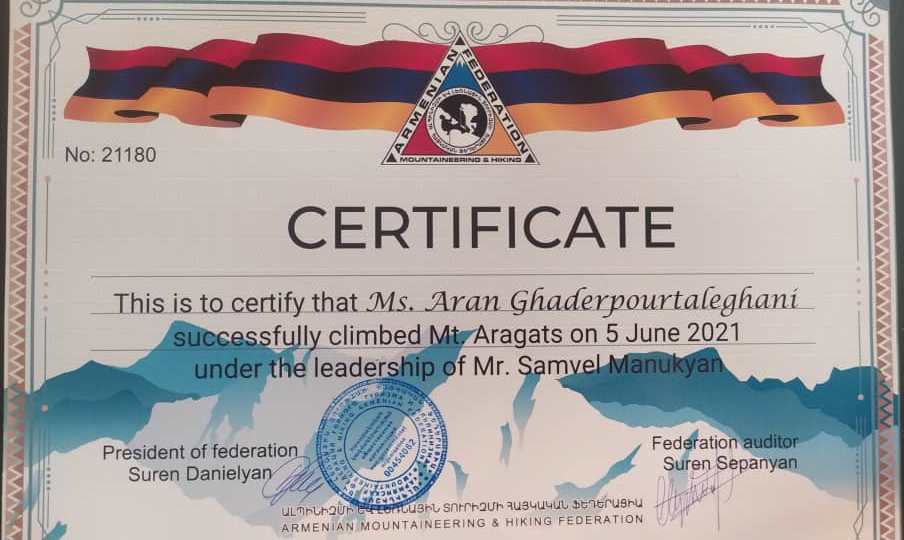
CERTIFIED FOR DISTINCTION: There's no mountain (of ambition) you can't surmount if you've got skill and determination. A lesson to all us desk-jockeys.
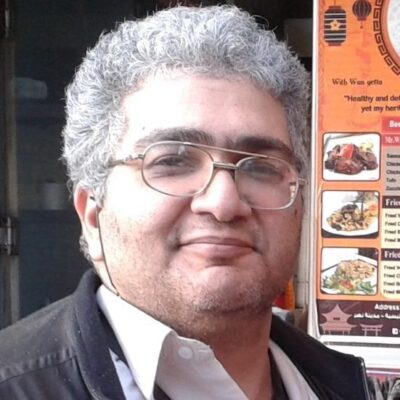

Thank you to all the Team and particularly Mr. Emad Aysha