Achieving peace in the Middle East is complicated by overlapping dilemmas that stall progress. Historical border and land disputes are aggravated by the conflicting political goals of foreign powers interfering in the region. Religious and cultural animosities create distrust between communities, making compromise difficult. Not to mention the long history of broken peace agreements. To break the impasse, the following strategic document could be key in this geopolitical chess game.
By Ken van Ierlant
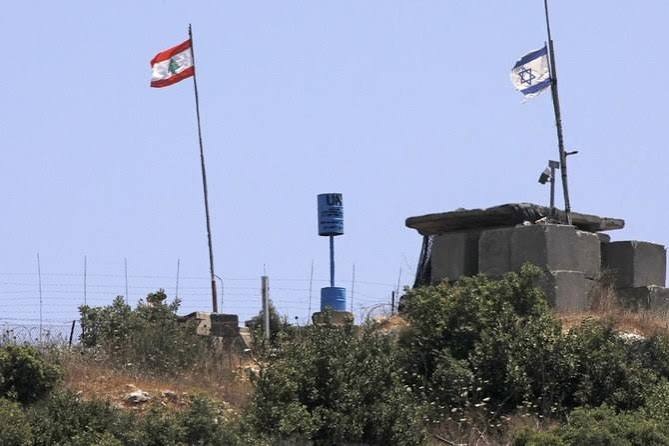
A good starting point is the standoff between Israel and Lebanon; the Shia militia Hezbollah (founded in 1982) must be neutralised; state authority has to be strictly enforced; international verification frameworks must be established; and financial isolation must be imposed. Dismantling the militia's capabilities is a core prerequisite for regional stability.
1. The Lebanese Paradox and the "Béziers Dilemma"
However, this objective faces a profound security paradox:
- Military Reality: Only the Israeli Defence Forces (IDF) possess the intelligence and firepower to physically destroy Hezbollah's infrastructure (tunnels, rocket launchers), which is deeply integrated into society.
- The Dilemma: Much like during the historical Albigensian Crusades (the sack of Béziers in 1209, "Kill them all..."), the enemy is entirely interwoven with the civilian population. However, a doctrine of destruction by the IDF does not solve the problem permanently; it radicalises the population and creates a breeding ground for a "Hezbollah 2.0."
- The Lebanese Reality: Although other population groups (such as the Maronite Christians) detest Hezbollah, they will not openly align themselves with the IDF as they did in 1982. The fear of a new, demographically destructive civil war and past trauma deter them. Ethnic cleansing (expelling millions of Shias to Syria/Tartus) is logistically, humanitarily, and geopolitically impossible.
2. The Core of the Chess Game: The Strategic Hudna
The international community has been forced to shift from solving to managing the conflict through a geopolitical race against the clock. The current framework agreement effectively functions as a tactical truce (hudna) with a strict two-year deadline [2026 Israel–Lebanon peace talks].
The Two Parallel Tracks include:
- The Nuclear Stopwatch: Following heavy Anglo-American-Israeli airstrikes on enrichment facilities (Natanz, Fordow), the Iranian breakout time has been successfully pushed back to 9 to 12 months. Weaponising a warhead for deployment will take over two years. This is the exact timeline the West has bought.
- Controlled Suffocation: During this two-year window, the regime in Tehran must collapse from within. The regime is terminally weakened by the elimination of Ayatollah Khamenei, the contested succession of his son Mojtaba, a failing economy, and massive domestic popular uprisings.
3. Regional and Global Shifts
The terminal phase of the Iranian regime is pulling the geopolitical rug out from under the Middle East:
- The Proxies Collapse: Without the Iranian nuclear umbrella and hundreds of millions of dollars in subsidies, the Axis of Resistance crumbles. Hezbollah and Hamas transform from existential, heavily armed threats into marginalised local militias and criminal networks.
- Russia and China cut their losses: Russia focuses purely pragmatically on maintaining its naval facility in Tartus (Syria) and abandons Tehran [The Moscow Times]. China strategically shifts its billions and energy security toward the wealthy, Sunni Gulf States [The Diplomat].
- Europe as a damage controller: The European Union does not act as a strategic player but as a financier. Europe is deploying billions to rebuild the Lebanese state and army (LAF) to prevent new, destabilising refugee waves from heading toward the continent [2026 Israel–Lebanon peace talks].
4. Iranian Countermeasures and Sabotage
To thwart this dismantling process, Iran will not watch passively but will deploy asymmetric escalation:
- The Nuclear Sprint: Halting IAEA inspections to secure the bomb as the ultimate guarantee of survival.
- Economic Blackmail: Holding hostage or partially blocking the Strait of Hormuz to send global oil prices and inflation skyrocketing.
- Asymmetric Terror: Activating sleeper cells in the West and instructing remaining militias (Houthis in Yemen, militias in Iraq) to conduct disruptive attacks.
5. Byproducts of the Conflict
The Israeli Prime Minister Benjamin Netanyahu is leveraging the framework agreement to secure his political future ahead of the October 2026 elections. He is claiming a historic victory over the Axis of Resistance, maintaining military control in the 'Yellow Zone' in Southern Lebanon to appease his right flank, and preparing a pivot toward a broad national unity government that excludes far-right ministers.
The plight of European Jews
A tragic byproduct of this chess game is that the Jewish population in Europe finds itself caught in the crossfire. Due to the asymmetric shift of the conflict to European streets and the explosion of antisemitism, the diaspora is becoming uprooted.
This is leading to a paradoxical migration flow: while highly educated Israelis flee the war at home, a record number of European Jews are making Aliyah (immigrating to Israel). They choose a country that militarily defends itself over a Europe that can no longer protect its minorities on the streets.