Despite claims in dozens of reports emerging from Iran regarding the exorbitant death toll of recent anti-government protests, there has been little to no coverage in the Western mainstream media. Most institutions have openly allowed antisemitic crowds to gather and terrorise Jewish students on campus, yet when it comes to Iran, both international organisations and institutions apply a double standard. It exposes the sheer hypocrisy of the so-called alliance between Islamists and socialists.
By Farid Shukurlu
Following the Islamic Revolution, Iran has become the largest funder of global terrorism while ruling its own population with a Persian theocratic fist, suppressing any opposition to the rule of the Supreme Leader. Iran's demography is unique and complex. Persians, who have historically constituted the ruling theocratic elite, are a minority, accounting for approximately 40% of the country’s population.
However, this has not deterred them from implementing racist and discriminatory policies against minorities, especially South Azerbaijanis and Kurds. The killing of an ethnic Kurdish woman, Mahsa Amini, was also a testament to how the IRGC’s morality police treat civilians in minority provinces.
According to various human rights groups, eighty-eight per cent of those executed in 2024 were ethnic Azerbaijanis (West and East Azerbaijan provinces), further proving the racially driven motives of the Islamic Republic.
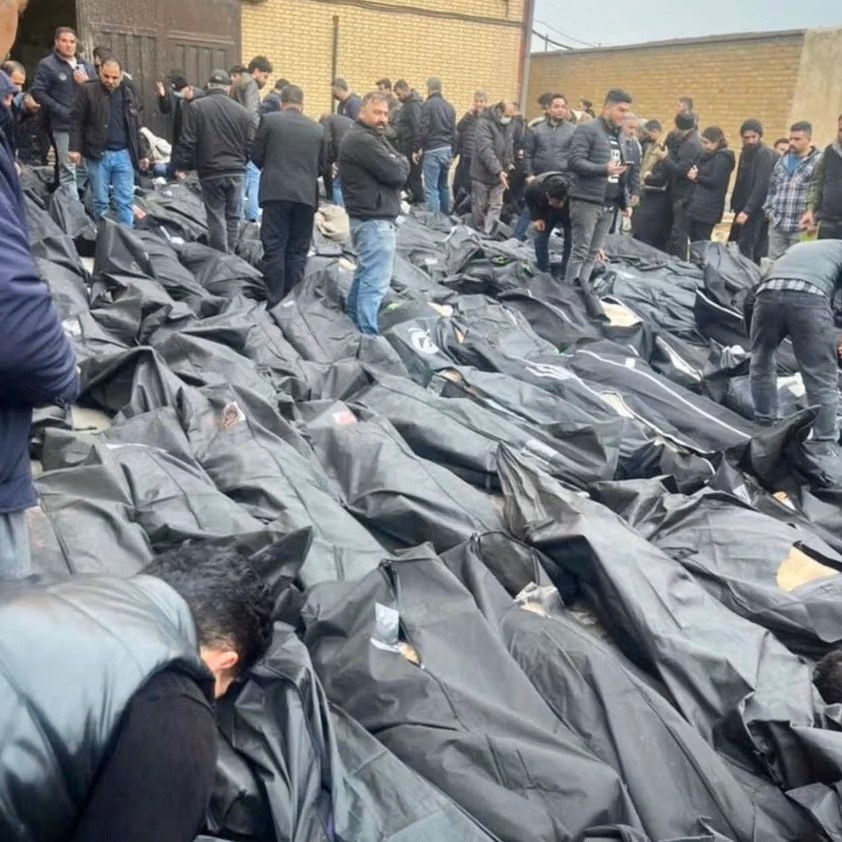
The recent protests did not change the fundamental fabric of the Islamic regime either. Even though the country's currency collapsed amid energy and water shortages, the regime did not alter its rhetoric. Numerous researchers and diaspora Iranians estimate the number of the victims to surpass 40.000 to 50.000 civilians who were brutally decimated in a span of four days when the country’s access to the internet was completely shut down.
The Crown Prince Reza Pahlavi sought to capture momentum with his televised address to the Iranian public. Still, he remains an unpopular figure within the marginalised communities of Iran due to his family’s pro-Aryan nationalist policies that segregated and discriminated against millions of Iranians. Nevertheless, there is a possibility of his return as a pro-democracy figure who will act as a transitional figure once the Islamist regime is toppled.
When it comes to the legality of this matter, one cannot help but wonder why the so-called international organisations fail to hold the terrorist government of Iran accountable for its crimes against humanity. Under the global norm, every UN member state is obliged to abide by the principle of “Responsibility to Protect” (R2P).
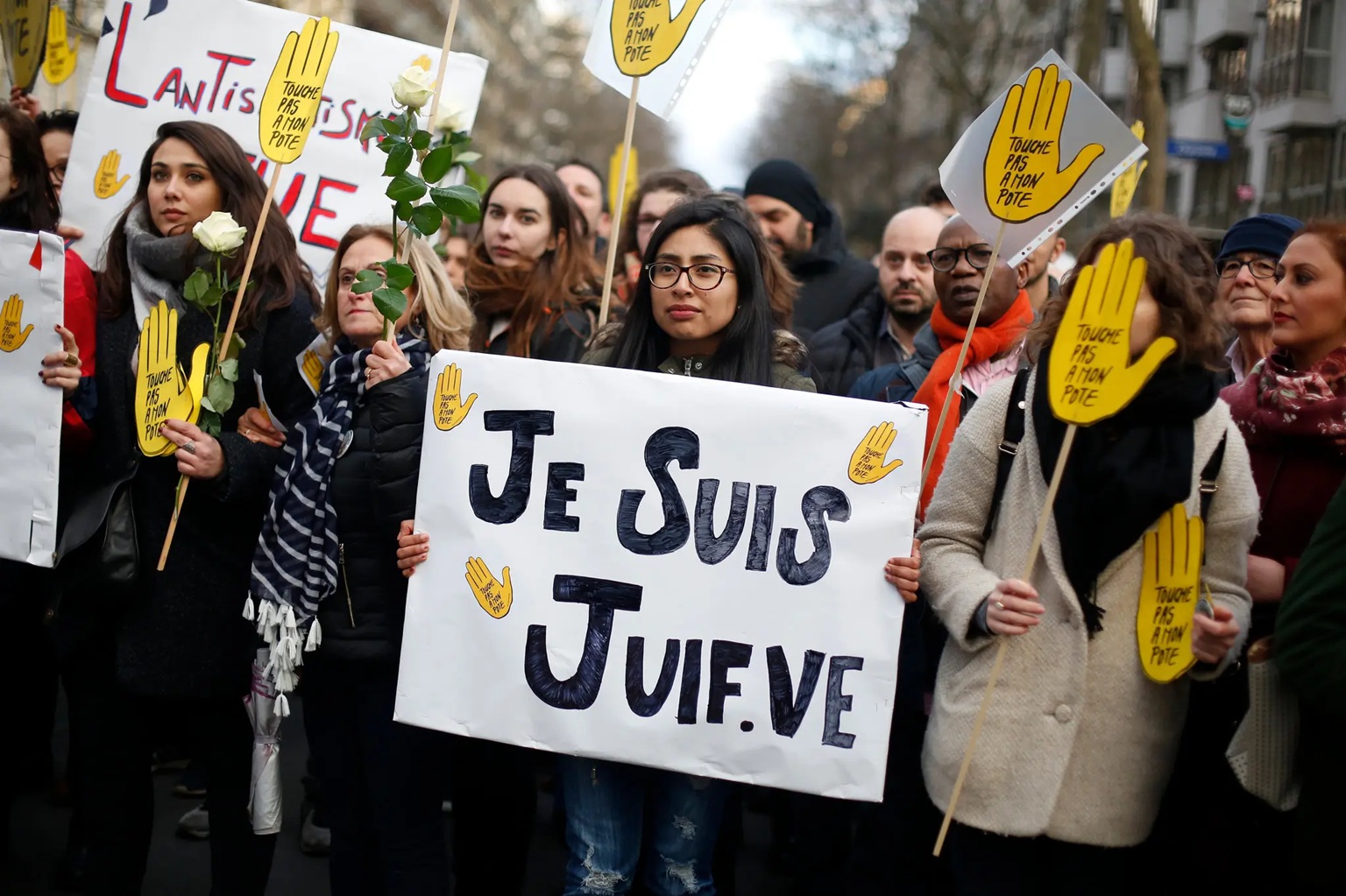
Still, there is no international outrage over what is going on in Iran when hundreds are murdered in cold blood. The third-worldist justice warriors who sympathised with barbaric Hamas terrorists seem to be silent about the genocide of innocent Iranians. The university campuses are not made to look like refugee camps with tents and massive protests in solidarity with the Iranian civilians who have been deprived of fundamental human rights and dignity since the Ayatollahs took charge of an ancient country.
For instance, British institutions enabled pro-Palestine cults to attack Jewish students by platforming radicalised groups such as the “Friends of Al Aqsa” on campuses. The case of Exeter University is a clear depiction of what tolerating radicalised red/green alliance groups can do to ordinary Jewish students. These violent attacks were also recorded in Leeds, London and Birmingham.
There has always been a foreign element in fueling anti-Israel protests in the West. The negligence of confident Qatar and Iran-funded groups in raising awareness on the Iranian protests prove the uncontrolled corruption and lobbying efforts of these two countries in the West. The two cases differ, but the core of the problem is clearly evident.
On one hand, the State of Israel acted lawfully to defend its citizens from a genocidal terrorist organisation, fighting on multiple fronts while focusing on minimising civilian casualties. Still, almost the entire world did not recognise or support Israel’s right to self-defence, which is reflected in the UN Charter (Article 51).
On the other hand, the Iranian regime unleashed an unprecedented military force to suppress an uprising, killing at least 40.000 unarmed protesters who dared to stand up for women’s rights and freedom. Unfortunately, celebrities such as Billie Eilish, or useful idiots like Greta Thunberg, will not speak up for justice, but rather for a selective third-worldism that refuses to value all human lives equally.
Standing with the Iranian people against a failing regime that threatens every country in the region is not a political position, but a moral one. It means supporting forty million Azerbaijanis who have been oppressed and silenced in their right to receive education in their mother tongue; standing with Kurdish women whose culture has been systematically erased; and standing with Persians whose civilisational heritage, symbolised by Ahura Mazda, has been stripped of its dignity and wings.
Ali Khamenei, Ali Larijani, Masoud Pezeshkian, Ali Shamkhani, Abbas Araghchi, Vahid Jalalzadeh, Ali Akbar Velayati, and many others will go down in history as the bloodstained butchers of the Iranian people. They will be judged in the same moral and historical category as Adolf Eichmann and other Nazi war criminals who committed comparable atrocities against the Jewish people.
Yet long after their names are condemned, the Iranian people will remember the era of the Islamic Republic as the darkest chapter in their long and civilisationally rich history.
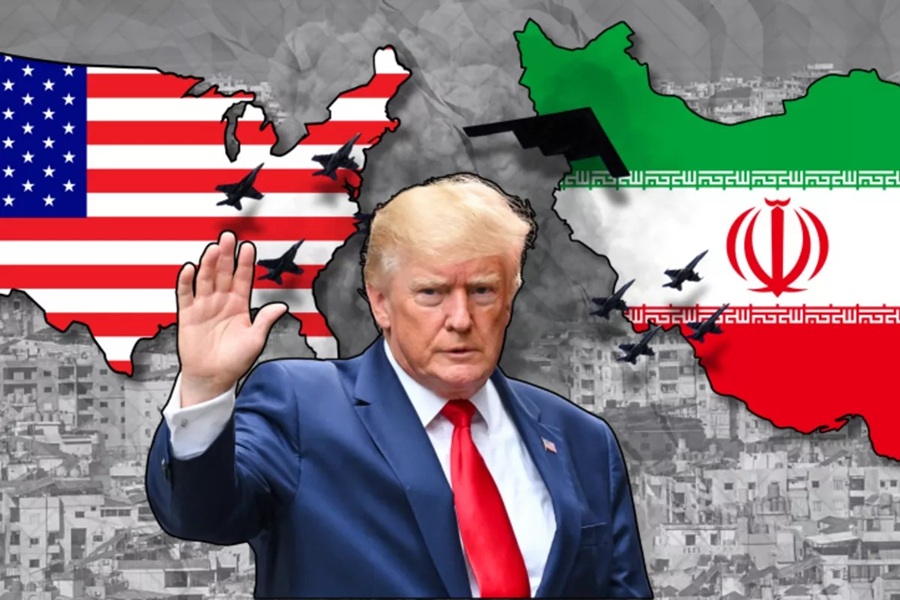
For the international community, the time has come to confront this threat and to support the Iranian people in reclaiming their country from Islamist occupation. The United States, the United Kingdom, Israel, and France possess not only a clear strategic interest but also a civilisational responsibility to address the destabilising role of the Islamic Republic.
Ending the systematic bloodshed of innocent civilians and preventing further regional escalation are no longer optional objectives, but urgent imperatives. Negotiation with a regime that openly chants death to the US, Britain and Israel in its own parliament cannot be treated as a viable or credible path to stability.
A Middle East without the Islamic Republic would mark the end of a regime that exports terror, destabilises its neighbours, and thrives on perpetual conflict rather than peace.