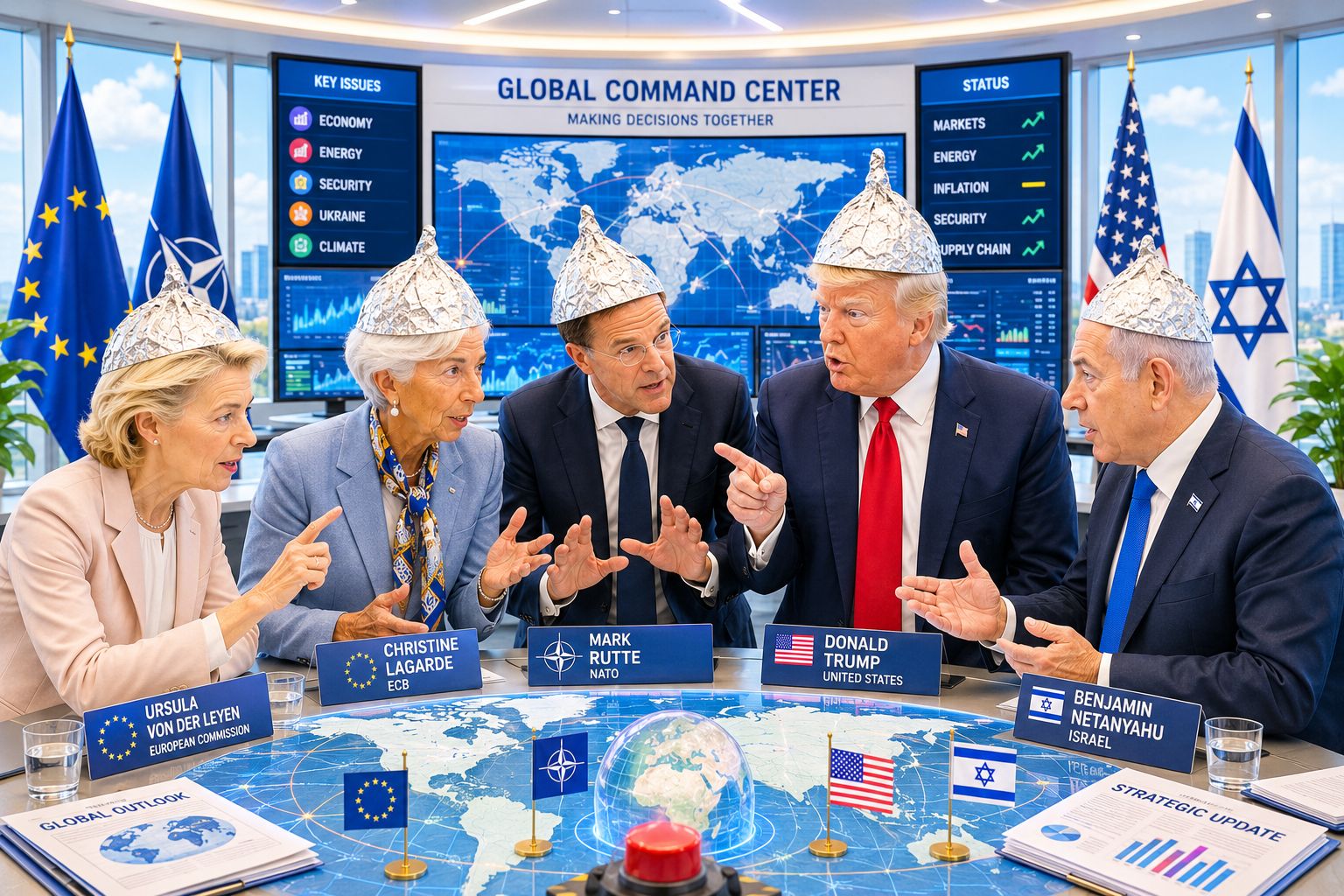
There was a time when economies ran on labour, production, and raw materials. Now they run mostly on panic.
A bank wobbles somewhere in America, and European analysts immediately stare into the cameras as if civilisation has three days left to live.
A container ship gets stuck sideways in a canal, and television panels begin discussing “global disruption.”
A virus appears, a war breaks out, an energy price rises and instantly the same ritual begins:
red banners, emergency meetings, rescue packages, and experts speaking as though the planet could split apart at any moment. The modern economy now produces almost as much fear as it does goods.
And that is no accident because fear has become profitable.
Media profits from unrest.
Markets profit from volatility.
Politicians profit from urgency.
Consultancies profit from transitions.
Tech companies profit from uncertainty.
Every disruption is immediately inflated into a systemic crisis.
Twenty per cent of an energy route disappears?
“The world economy is in danger.”
A hot summer?
“An existential climate threat.”
A price increase?
“A historic shock.”
Everything must be maximal. Always.
Not because the facts demand it, but because nuance no longer pays.
No clicks.
No ratings.
No emergency laws.
No political branding.
So we now live in an economy where perception matters more than reality.
The financial world no longer reacts merely to facts, but to fear about possible reactions to expected developments that may or may not happen.
A collective nervous breakdown with graphs attached.
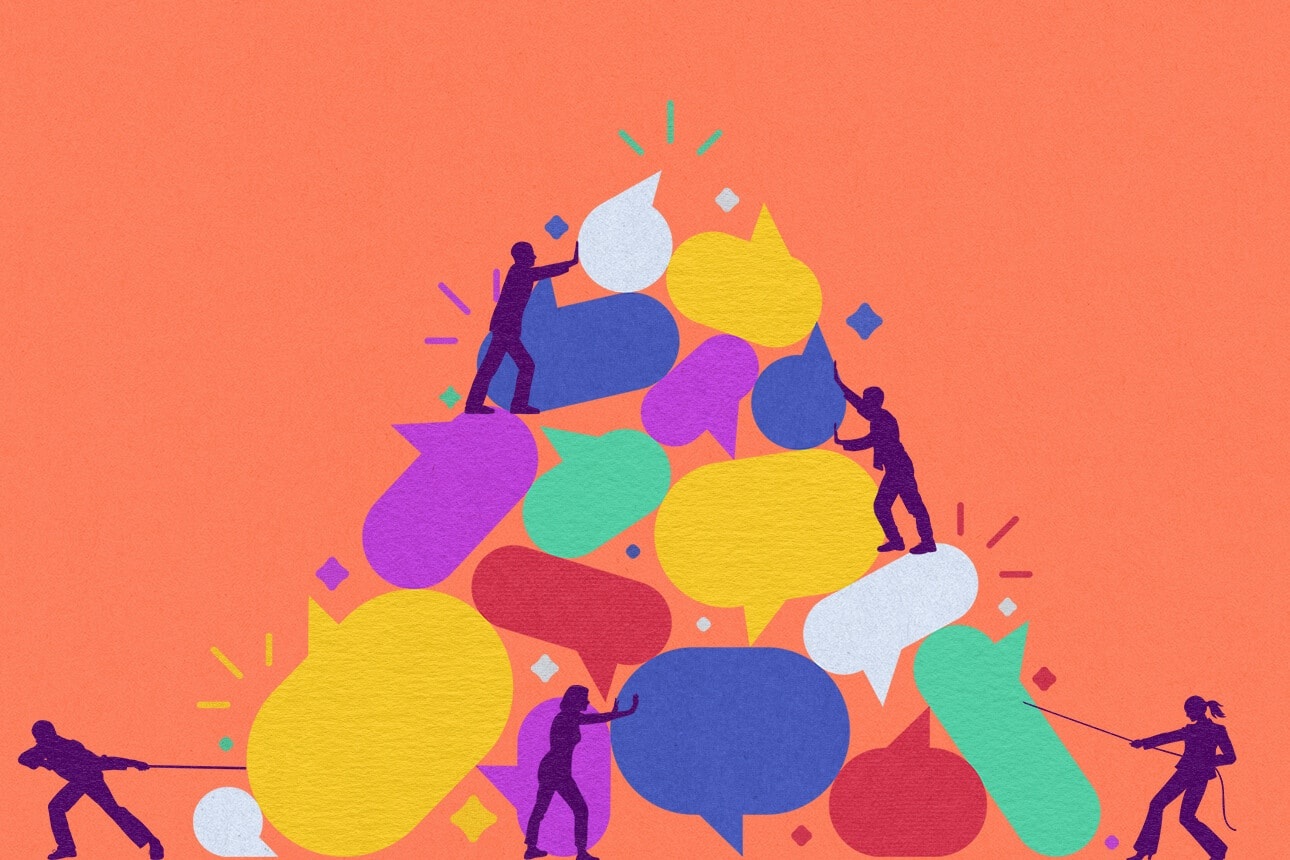
And meanwhile, more and more citizens feel they are being psychologically managed around the clock.
Always crisis.
Always urgency.
Always someone explaining why exceptional measures are suddenly necessary.
Perhaps the most remarkable thing is that every crisis seems to produce the same outcome:
more central control.
More monitoring.
More regulation.
More dependence on systems supposedly designed to protect us from chaos.
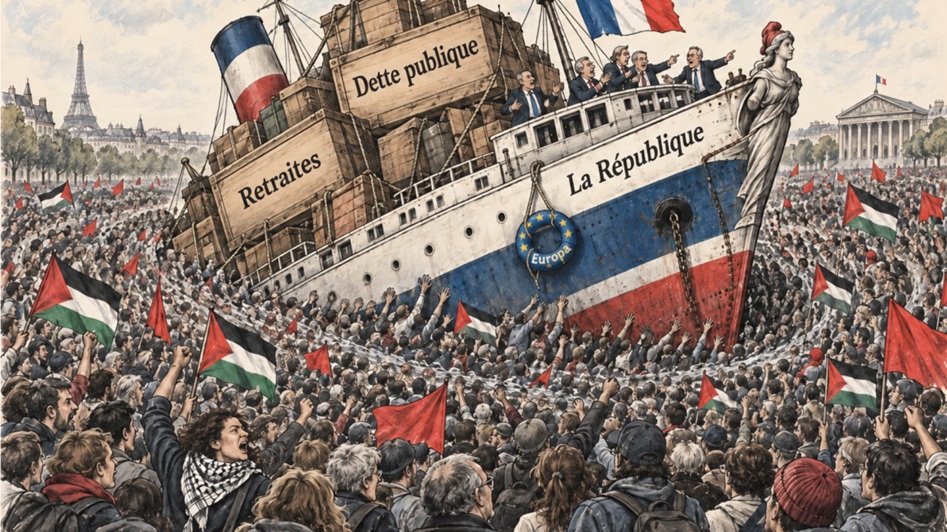
While those very systems increasingly appear fragile themselves.
The modern economy therefore looks less and less like a stable model of production and more like a patient surviving purely on adrenaline.
And perhaps that also explains why so many people feel exhausted.
Not only because of inflation, energy prices, or war fears, but because of the permanent atmosphere of approaching catastrophe.
As if societies are only governable when citizens feel the world is constantly on the verge of collapse.
Of course, real problems exist.
But a civilisation that turns every disruption into an apocalyptic media spectacle eventually becomes addicted to its own panic.
And perhaps that has become the West’s most profitable export product of all:
organised hysteria.