US Treasury talks with Qatar over helping Afghanistan

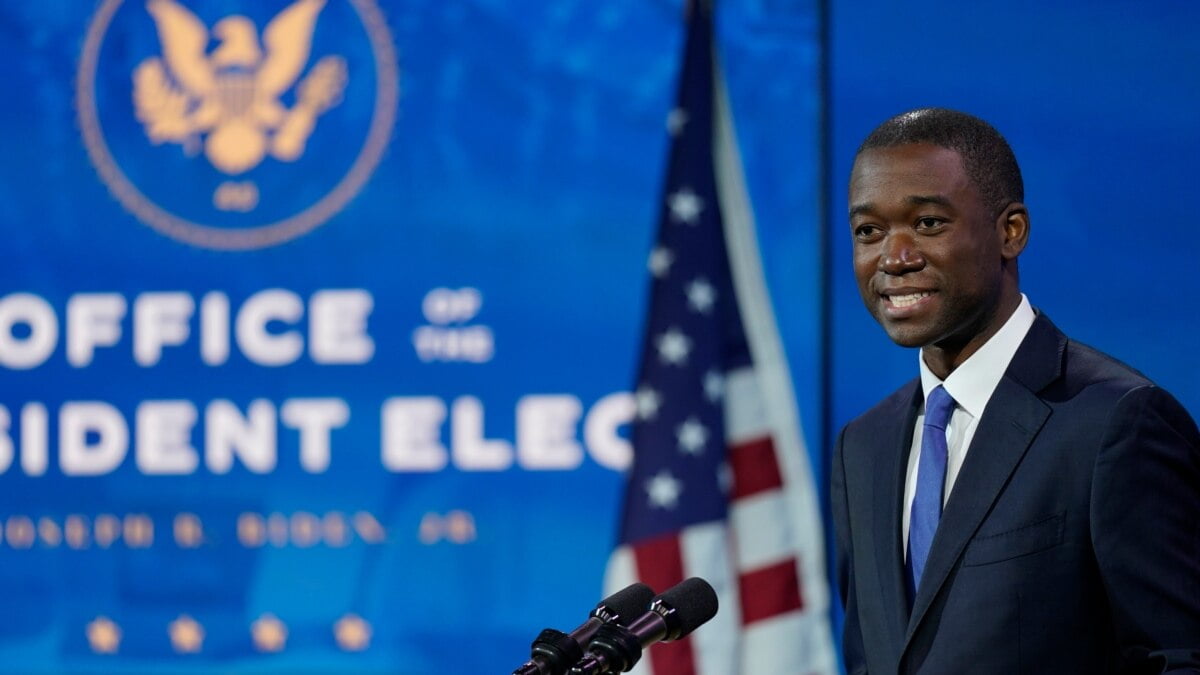
U.S. Deputy Treasury Secretary Wally Adeyemo and senior Qatari leaders this week discussed their shared interest in meeting the humanitarian needs of the Afghan people, the U.S. Treasury Department said in a statement on Friday.

Adeyemo also discussed equitable growth, the COVID-19 pandemic and the challenges and opportunities of virtual assets during his meetings with Prime Minster Sheikh Khalid bin Khalifa bin Abdelaziz Al Thani and other senior government and economic leaders in Doha on Thursday, it said.

The United States and Qatar affirmed their intention to work together on countering illicit finance, Treasury said.

Source: Yahoo News

 

The Liberum

The subtitle of The Liberum ("the voice of the people is the voice of God") reflects the concept that the collective opinions and will of the people carry divine importance. They embody truth and wisdom, particularly in a non-partisan arena that profiles itself as a marketplace of free ideas and thoughts.
See full bio >
The Liberum runs on your donation. Fight with us for a free society.
Donation Form (#6)

More articles you might like

The death of Jason Arday: What about the University of Cambridge?

It is unclear why the media have remained so soft on the most important questions […]

September 30 will test whether Iraqi Prime Minister Ali al-Zaidi's promises are real

The withdrawal of US-led coalition forces will remove the justification used by Iran-aligned factions to […]

The America we imagined: When democracy prevails over political money

There is an America that has long existed in the political imagination, at home and […]

Brand New Day: When a cinematic universe has three life cycles

Marvel has been suffering a whole series of duds since the halcyon days of End […]

Is NATO Secretary General Mark Rutte a traitor?

Legally, no. The Penal Code contains no article for a prime minister who governs his […]
- by The Liberum on 24/08/2026

The Climate Policy Trap: Why failure so often leads to more of the same

Group identity, social status, and a credential-dominated policy establishment have made the climate narrative increasingly […]