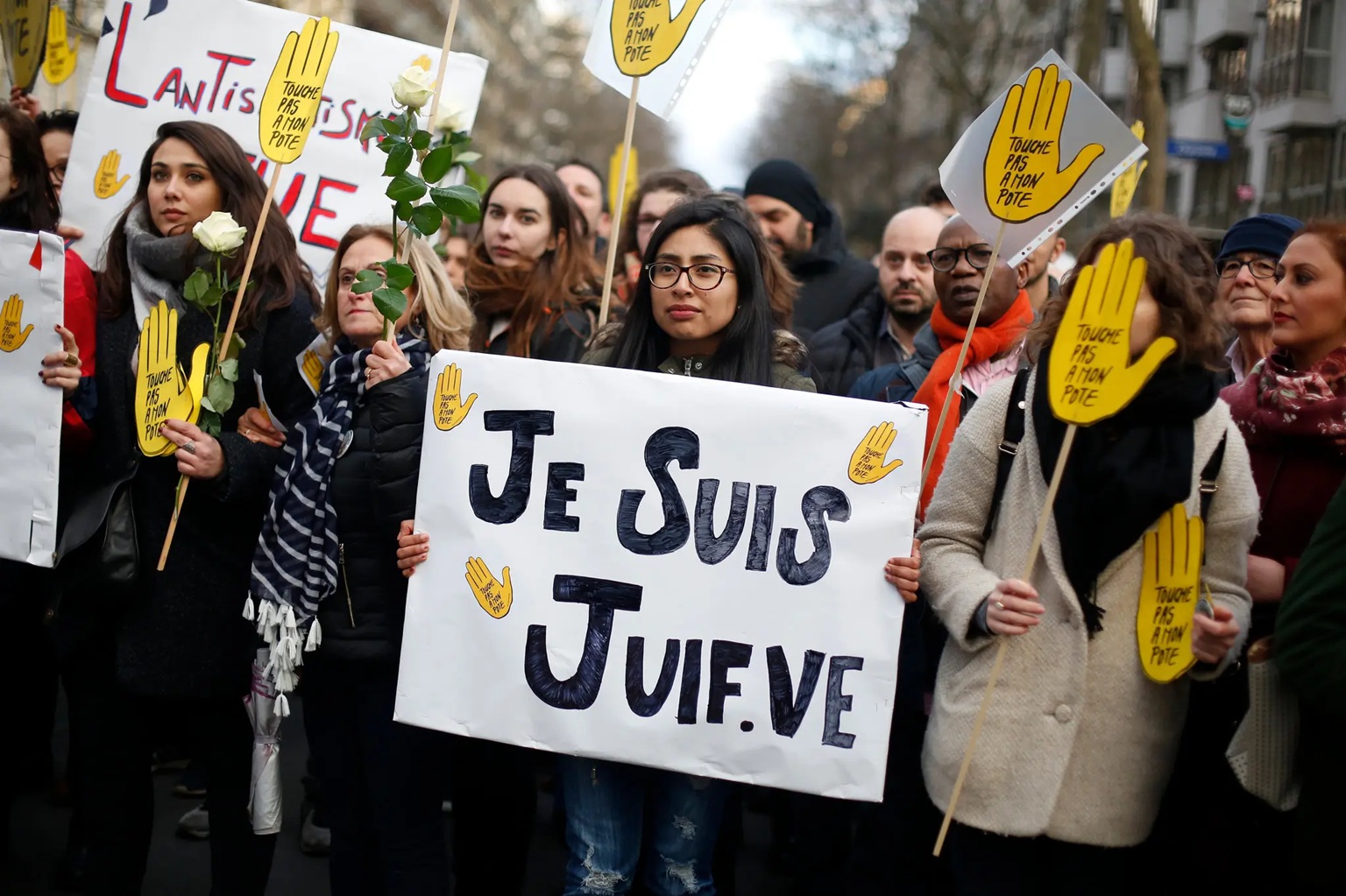
France calls itself the land of Liberté, Égalité, Fraternité. But when it comes to Jews and Israel, the history of the Republic seems to point in a different direction remarkably often. Anyone who studies the relationship between France and the Jewish people cannot escape an uncomfortable conclusion: the tensions that came to light during the Dreyfus Affair have never disappeared. They change form, language, and political packaging, but the underlying reflex returns time and again.
By Oscar Hammerstein
In 1894, the Jewish French officer Alfred Dreyfus was accused of espionage for Germany. After a secret trial, he was sentenced to lifelong exile to Devil's Island in French Guiana. The French army knew the evidence was flawed but chose to conceal it. Then one man stood up. The writer Émile Zola published his famous open letter J’Accuse…! in which he accused the French army and the government of miscarriage of justice and antisemitism.
France was divided to the core: the army against the republicans, nationalists against liberals. It was not until 1906 that the French Supreme Court fully acquitted Dreyfus and reinstated him in the army.
But the case had exposed something deeper than a legal crime. It had made a moral fault line in French society visible. An undercurrent of antisemitism comparable to that in the Germany of those years, which has never disappeared.
When Europe collapsed under the German attack in 1940, France capitulated. The Vichy regime subsequently actively collaborated in the deportation of Jews, often going even further than German demands.
After the war, the geopolitical landscape changed, but not always in the same way. Initially, after 1948, France became Israel's most important ally in Europe. The country was Israel's largest arms supplier and a strategic partner against Gamal Abdel Nasser during the Suez Crisis.
After all, Egypt supported the Algerian uprising, and Paris saw Israel as a useful ally. France supplied fighter jets and played a role in the plan to allow Israel to enter the Sinai after Nasser had nationalised the Suez Canal.
But this friendship rested on typically French self-interest rather than on principles. This became apparent in 1967. Just before the Six-Day War, President Charles de Gaulle imposed an arms embargo and refused delivery of Mirage fighter jets, even though Israel had already paid for them.
During a press conference later that same year, De Gaulle said of the Jewish people: “Le peuple juif, peuple d’élite, sûr de lui et dominateur.” – “The Jewish people, a people of elites, self-assured and dominant.” The statement was condemned as antisemitic in France and abroad. This occurred even though Israel had been attacked by Egypt, Jordan, and Syria a few months earlier, had defended itself militarily, and had recaptured territory from Jordan (Judea and Samaria) as the victor.
In 1978, France sheltered Ruhollah Khomeini in Neauphle-le-Château. From France, he returned to Iran in 1979 and established a theocratic regime there that grew into the most repressive regime of modern times.
On August 4, 2020, a massive explosion devastated the port of Beirut. The disaster was caused by approximately 2,750 tons of ammonium nitrate, an explosive material used by Hezbollah to manufacture bombs to attack Israel, which had been stored unsafely for years in a warehouse in the Hezbollah-controlled port. After the explosion, Paris sought contact with Hezbollah to safeguard French economic interests in the reconstruction.
After the massacre of October 7, 2023, in which 51 French citizens were also killed, President Emmanuel Macron spoke barely about the victims and hostages. At the same time, France called for an immediate ceasefire and regularly placed Hamas and Israel in the same diplomatic phrasing. Macron torpedoed negotiations on the release of hostages by recognising the State of Palestine at a crucial moment. Electoral reasons in France, with its 5 million Muslims, prevailed over the lives of the hostages.
Moreover, France continued to transfer funds to UNRWA after it became known that Hamas had infiltrated the organisation and that its staff had participated in the pogrom.
France refused to renew visas for El Al security personnel and barred Israel from international arms fairs. The Israeli arms industry responded with a bitter message: it announced that its arms exhibition would move from Paris to Tehran.
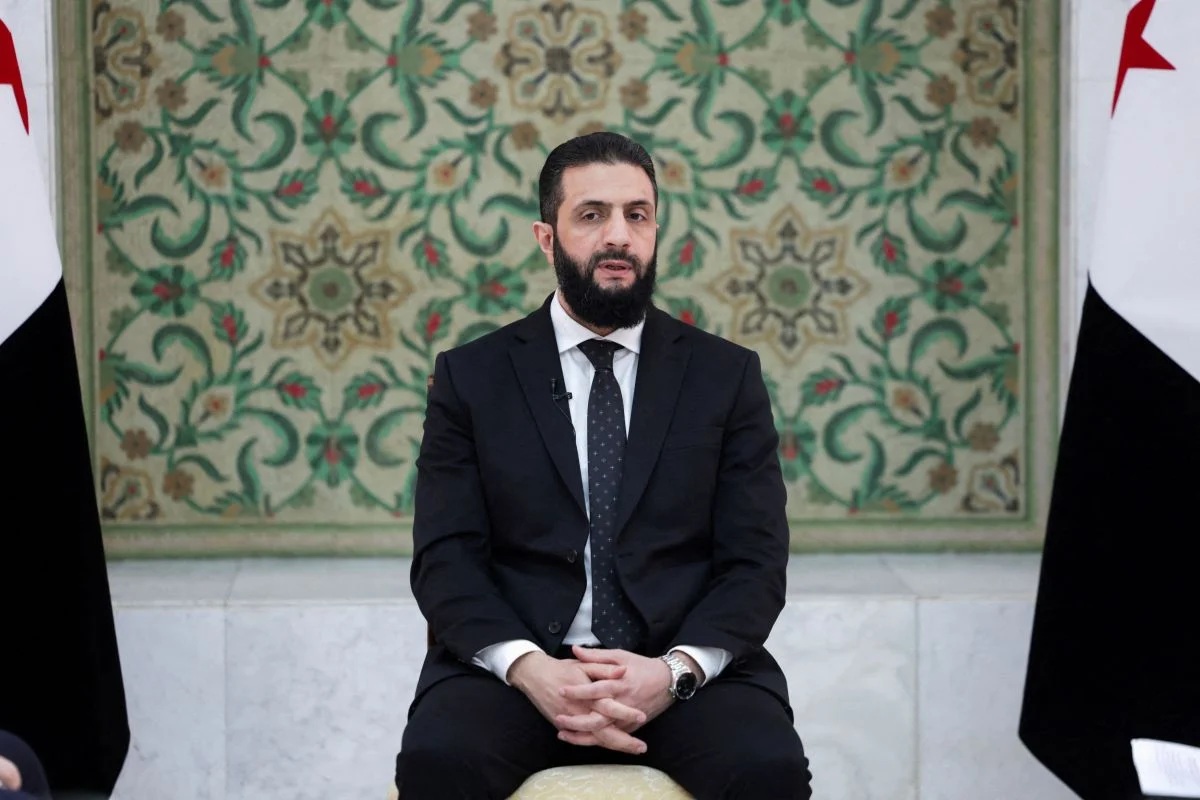
Syrian jihadist leader Abu Mohammad al-Julani was received with full honours, while religious minorities in Syria were attacked and murdered. Moreover, Paris refuses to allow American aircraft to use French airspace en route to Israel.
And when a national march against antisemitism was organised by the presidents of the Senate and the National Assembly in November 2023, President Macron demonstratively stayed away while the number of antisemitic attacks in France rose sharply.
Today, France has the largest Jewish community in Europe. But it is also the country with the highest number of antisemitic incidents. The list of tragedies is long and painful:
• the Toulouse school shooting, in which four people — including three children — were murdered
• the Hyper Cacher attack, where four Jewish hostages were killed
• the murder of Sarah Halimi
• the antisemitic murder of Mireille Knoll
Added to this, courts in some recent cases have been accused of downplaying antisemitic motives or failing to acknowledge them explicitly.
France currently has approximately five million Muslims. That fact in itself says nothing. But when integration falters, radicalisation grows, and antisemitism becomes visible again in parts of society, a field of tension arises that Europe can no longer ignore.
The history of the Dreyfus affair teaches one simple lesson: A society that refuses to face its own blind spots condemns itself to repeating the same mistakes. And that is precisely why many today are once again looking at France with the same question that has hung over the republic for more than a century.
Has France truly learned anything from its history? Or are we merely waiting for the next Dreyfus?


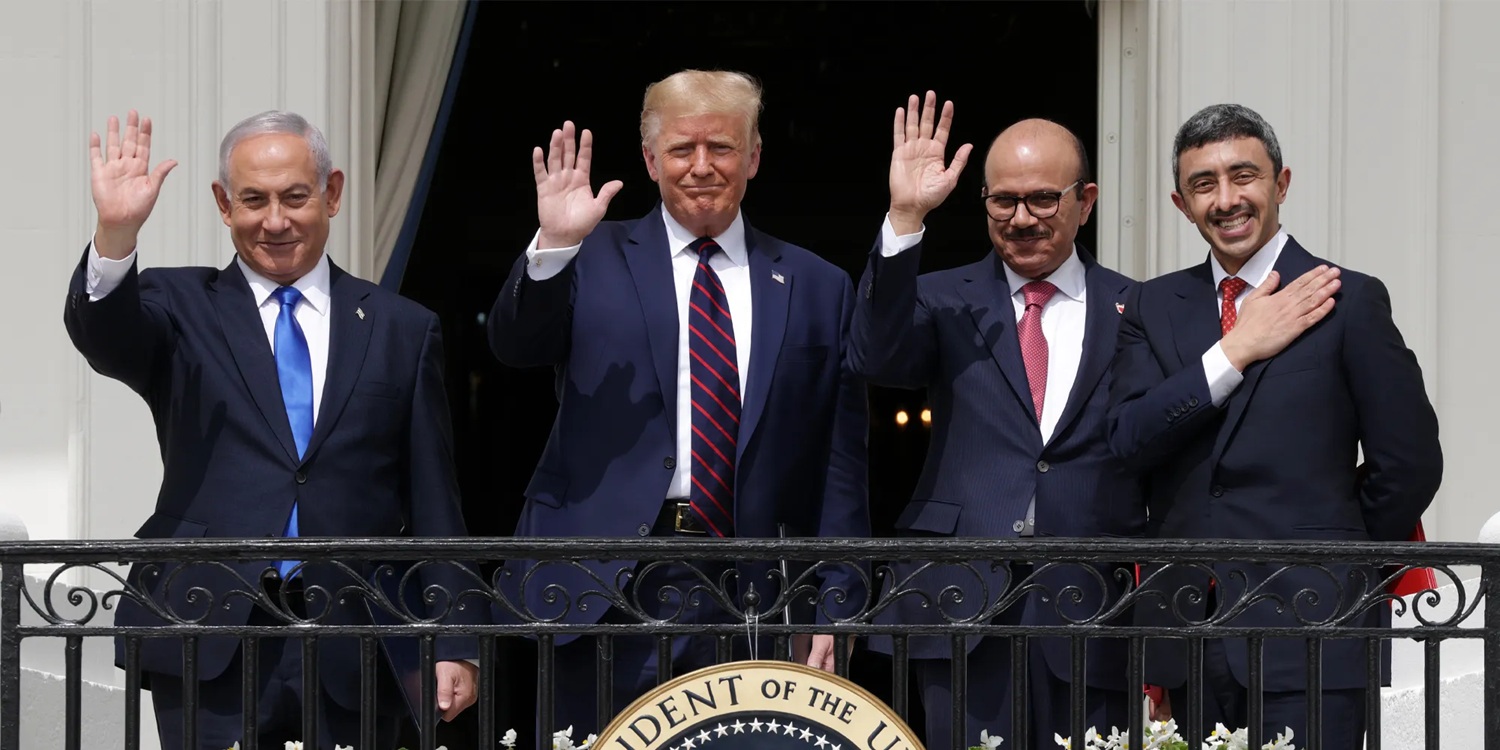


[…] Precisely for this reason, a gesture of solidarity in the Gulf would have paid off.Oscar Hammerstein is a prominent Dutch public figure and retired lawyer. He has had a long career in the legal industry and has a strong entrepreneurial spirit. He is professionally skilled in Arbitration, European Law, Construction Law, Dispute Resolution, and Contract Law. His previous contribution can be found here. […]