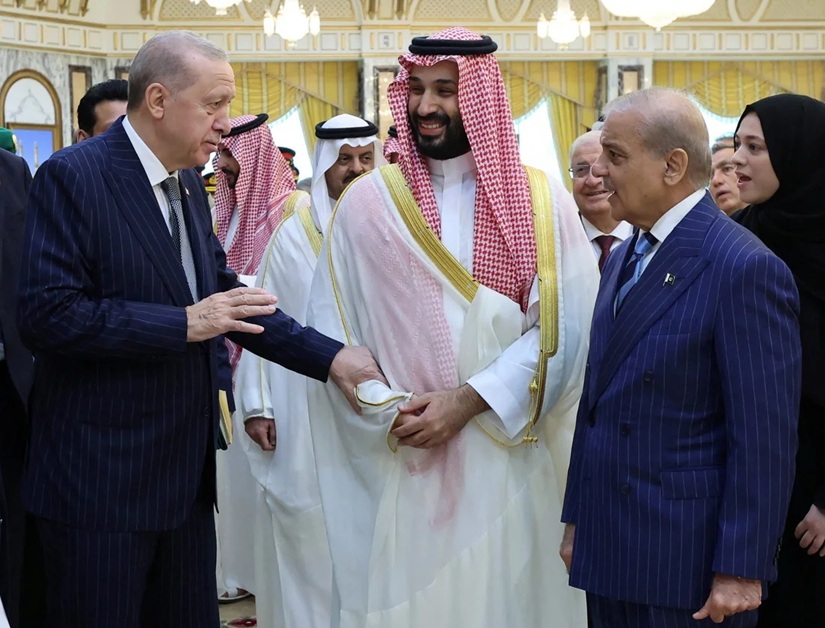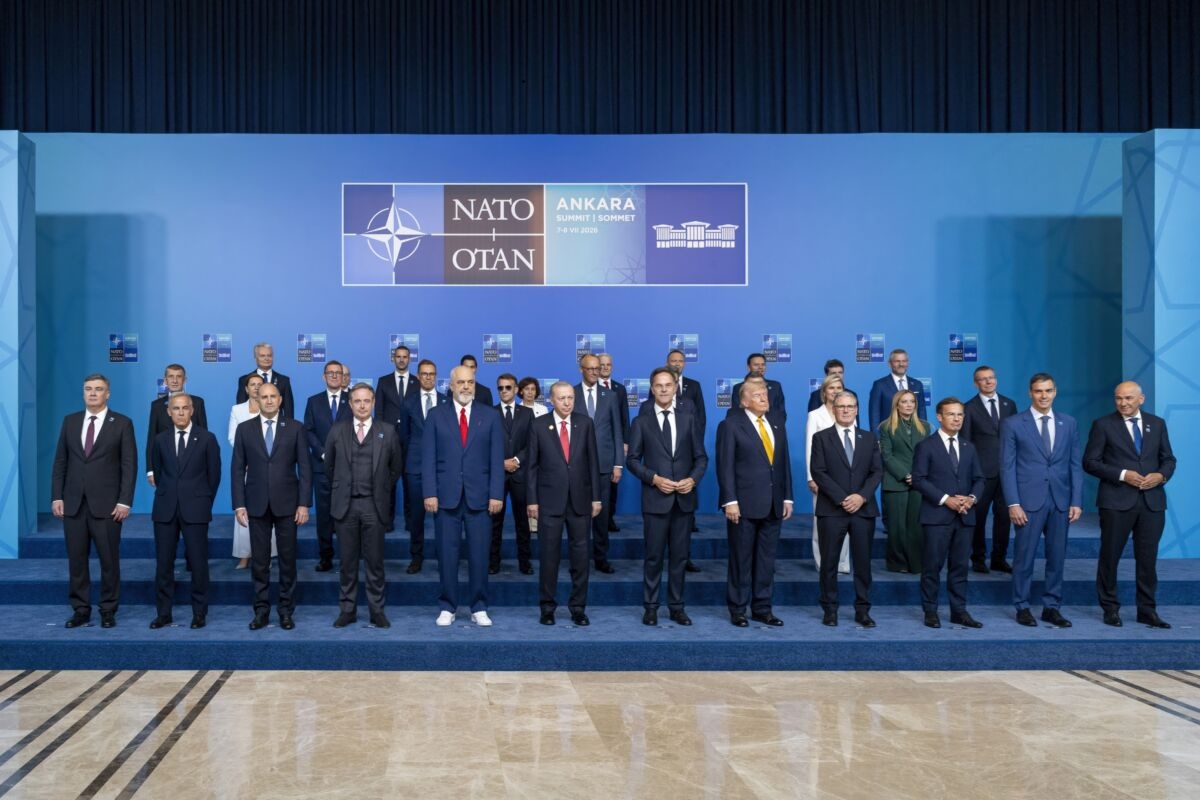
The NATO Summit held in Ankara on 7–8 July 2026 may prove to be one of the defining moments in Syria’s modern political transition. Far from being merely another diplomatic gathering, the meetings surrounding the summit brought together the key actors shaping Syria’s future and placed the country at the centre of a wider geopolitical struggle.
By Rafic Teleb
The discussions between Washington and Ankara, alongside engagements involving Syrian President Al-Sharaà, raised fundamental questions about the direction of Syria, its relationship with regional powers, the unresolved question of Lebanon, and whether Damascus will emerge as a sovereign national state or as the arena for competing international projects.
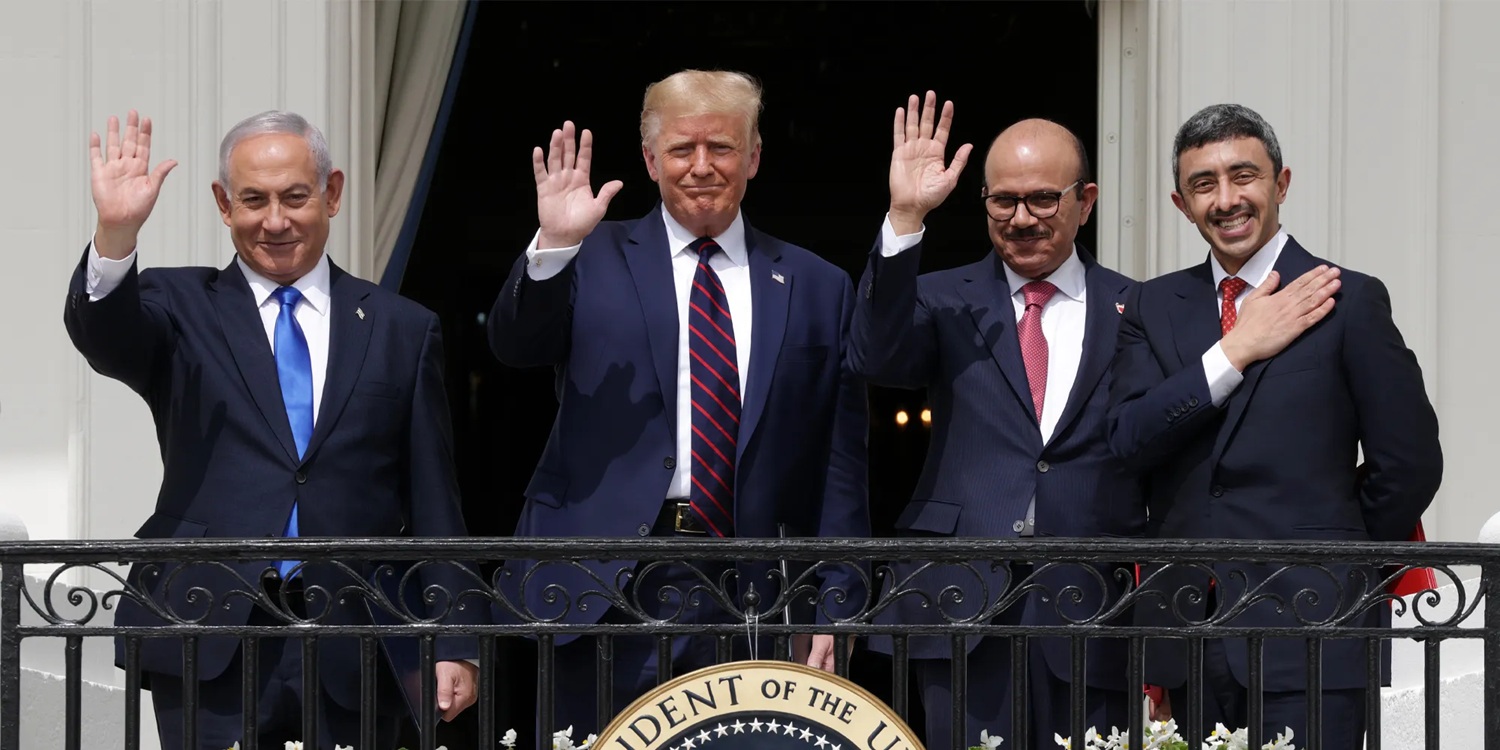
The summit highlighted the reality that Syria has become the focal point of a much larger geopolitical negotiation between the United States and Turkey. According to critics of the current trajectory, the discussions in Ankara reflected a broader regional arrangement involving economic incentives, sanctions policy, security cooperation, and Syria’s future role in the Levant.
The outcome of these understandings could determine whether Syria moves toward deeper international reintegration or enters another period of instability driven by unresolved rivalries between regional and global powers.
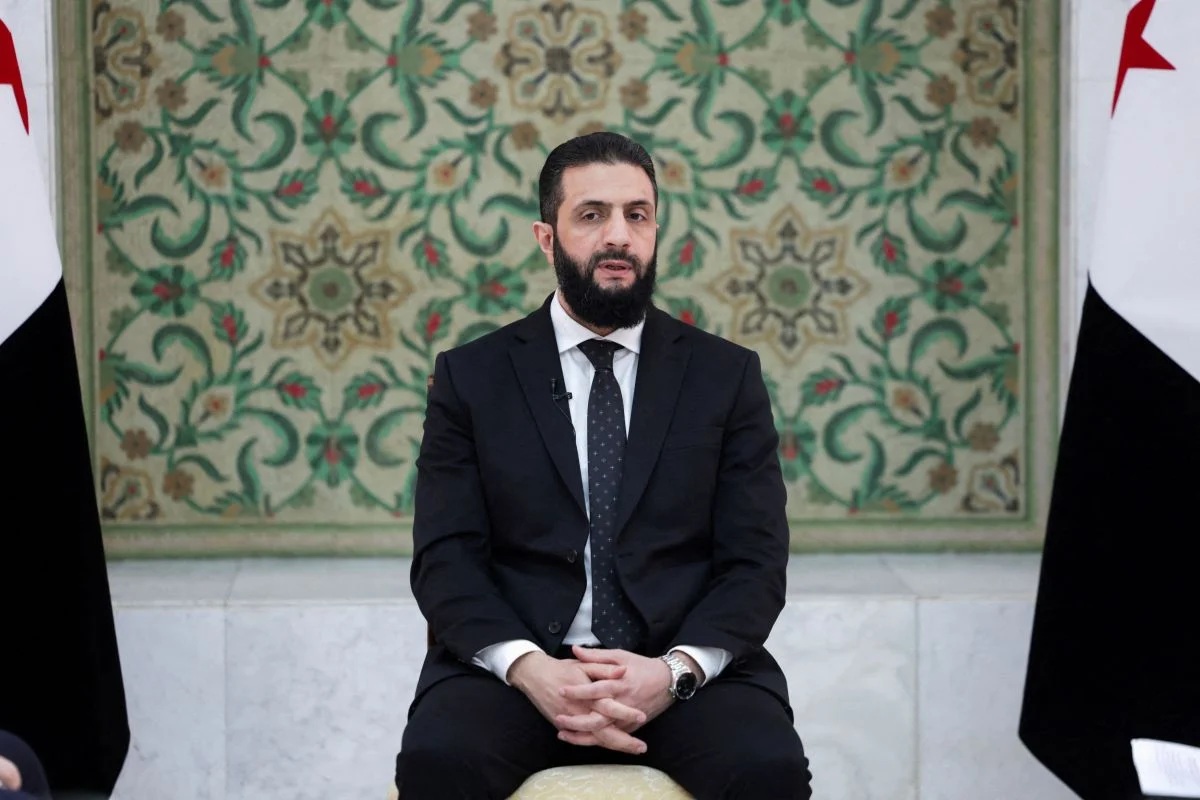
At the heart of this transition stands Syrian President Al-Sharaà, whose leadership remains one of the most debated aspects of Syria’s new political order. Supporters portray his rise as part of a necessary effort to restore state authority after years of war, fragmentation, and institutional collapse.
Critics, however, argue that the Ankara discussions demonstrated the extent to which Damascus remains influenced by external calculations, and that key decisions regarding Syria’s future are being shaped not only by domestic priorities but also by international strategic interests.
The most controversial issue surrounding the summit remains Syria’s relationship with Lebanon.
According to critics of the current trajectory, the Ankara discussions extended beyond Syria’s borders and involved expectations regarding Damascus’s future regional role. They argue that pressure has been placed on the Syrian leadership to assume a more active role in Lebanon, justified by security concerns, border control, and regional stability. Such a development, they warn, could transform Syria from a country seeking reconstruction into the front line of a new regional confrontation.
The debate has intensified around claims that Syria’s international rehabilitation is connected to specific political conditions. Critics argue that discussions over sanctions relief, diplomatic recognition, and economic assistance have become tools of influence over Damascus’s regional behaviour.
The central question now facing Syria is whether international engagement offers a genuine pathway to recovery and sovereignty, or creates a new form of dependency in which external expectations shape political decisions.
Syria’s foreign partnerships add another layer of complexity to this debate. Critics have questioned recent economic and strategic agreements involving international companies and foreign governments, arguing that transparency, national oversight, and long-term sovereignty remain unresolved issues.
They have specifically pointed to energy agreements and renewed cooperation with Russia in Tartous as examples of a broader dilemma: whether Syria is pursuing a balanced foreign policy or replacing one set of external dependencies with another.
Beyond foreign policy, another major struggle is unfolding inside Syria itself: the restructuring of armed factions and the creation of a unified security establishment. Supporters argue that integrating armed groups into state institutions is essential for rebuilding a functioning state after years of conflict.
Critics, however, warn that the process risks becoming a mechanism for consolidating authority within a single dominant political and military structure rather than creating a genuinely inclusive national institution.
These concerns are rooted in years of divisions among Syrian opposition factions. Critics point to earlier ideological conflicts between groups that participated in the Syrian uprising, arguing that some movements historically viewed rival factions as illegitimate or inferior. They contend that these divisions continue to influence the current transition and raise concerns that Syria’s new political order could reproduce patterns of exclusion and dominance rather than establish a truly pluralistic state.
The fundamental question facing Syria is therefore larger than the identity of its leadership. It is a question about the nature of the Syrian state itself. Will Syria become a country governed by national institutions where competence, accountability, and public service determine leadership? Or will it become a system where one political and military network dominates state structures and society?
For many Syrians, this is the defining test of whether the post-war period represents genuine transformation or simply a change in who controls power.
The consequences of the Ankara summit are also tied to the possibility of wider regional escalation. Critics warn that any attempt to reshape Syria’s role in Lebanon could trigger a chain reaction involving Iran, Hezbollah, Israel, Turkey, and various armed factions.
A confrontation between these actors could quickly turn Syria once again into the battlefield for competing regional ambitions rather than the foundation for reconstruction and recovery.
The months following the Ankara summit will reveal whether the agreements and understandings reached during this period create stability or generate new tensions. The decisions made in diplomatic rooms in Ankara, Washington, and Damascus will have consequences far beyond government offices; they will shape the lives of millions of Syrians who have already endured years of war, displacement, and uncertainty.
Ultimately, the central question remains whether Syria’s future will be written by Syrians themselves or shaped primarily by external powers pursuing their own strategic interests.
The Ankara summit of July 2026 may not only have influenced the future of Syria’s leadership; it may have marked a turning point in determining who controls the country’s direction and whether Syria’s recovery will be built on genuine independence or another cycle of foreign influence and internal consolidation.