
In today’s fast-paced world, we often celebrate persistence, resilience, and discipline. But there’s one skill that quietly sits beneath all of them—rarely discussed, yet incredibly powerful: the ability to reset fast.
Resetting fast is not about ignoring failure or pretending challenges don’t exist. It’s about shortening the emotional and mental recovery time between setbacks and your next action. The faster you reset, the faster you grow.
I’ve experienced difficult situations—professionally and personally. Moments where things didn’t go as planned, where effort didn’t translate into results, or where circumstances felt outside of my control. But what made the difference was not avoiding those situations—it was learning how quickly I could move forward from them.
A bad day? Go for a walk. Clear your head. Start fresh tomorrow.
Missed a workout? Show up the next day. No excuses.
Made a poor decision? Own it, learn from it, and adjust immediately.

This mindset is not just motivational—it is backed by research. Studies from Harvard Business School highlight that high performers are not those who avoid failure, but those who reflect effectively and re-engage quickly.
In one well-known study on learning from experience, researchers found that individuals who took time to reflect—even briefly—improved their performance significantly compared to those who kept pushing without pause.
The key takeaway: reflection + action beats hesitation.
Resetting fast combines both. You reflect just enough to learn, but not so much that you get stuck.
The problem many professionals face is not failure—it’s the time they spend dwelling on it. Overthinking drains energy. Doubt slows momentum. And hesitation creates a gap between potential and execution.
Think of it this way: success is not a straight line. It’s a series of micro-recoveries.
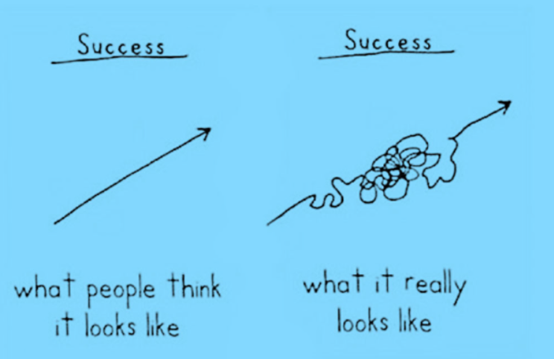
The faster you can shift from “What went wrong?” to “What’s next?”, the more you build forward momentum. Over time, this compounds into confidence, consistency, and growth.
I developed three practical ways to build the “reset fast” muscle:
At a leadership level, this mindset becomes even more critical. Teams mirror the behaviour of their leaders.
If you dwell on problems, they will too. If you reset quickly and move forward with clarity, you create a culture of resilience and execution. Remember that for the next time something doesn’t go your way, don’t ask: “Why did this happen to me?” Ask, “How fast can I move forward from this?”
Growth doesn’t come from avoiding setbacks. It comes from how quickly you rise after them.