The accelerating digitalisation of the global economy is fundamentally reshaping governance models, production systems, financial architecture, and mechanisms of interstate cooperation. In this evolving landscape, regional organisations increasingly recognise that competitiveness is determined not only by traditional economic indicators but also by their capacity to integrate digital technologies, artificial intelligence (AI), data governance frameworks, and innovation ecosystems into their development strategies.
By Ilyas Huseynov
The Organisation of Turkic States (OTS) has emerged as one of the most dynamic regional platforms seeking to adapt to these transformations. While the organisation was initially associated with cultural and historical ties among Turkic nations, recent developments demonstrate a strategic shift toward economic integration, technological modernisation, and institutional cooperation.
The adoption of the OTS Digital Economy Agreement and the convening of the First Meeting of Heads of Tax Authorities in Budapest represent significant milestones in the organisation's transition toward a digitally interconnected economic community.
Although the total GDP of the Turkic world exceeds 2.4 trillion US dollars, there is still significant potential to expand intra-regional trade through harmonised competition policies and economic integration.
Digital economy as a new pillar of Turkic integration
Economic cooperation within the OTS has gradually evolved from trade facilitation and transport connectivity toward more sophisticated forms of integration. Digital transformation now occupies a central position in the Turkic Vision 2040 framework, reflecting the understanding that future competitiveness will be determined by technological capability and innovation capacity.
The Digital Economy Agreement, signed in Bishkek in November 2024 and subsequently ratified by member states, establishes a legal and institutional foundation for cooperation in digital trade, fintech development, e-commerce, cybersecurity, digital public services, and cross-border innovation initiatives. The agreement is more than a technical document; it signifies the emergence of a shared strategic vision to reduce regulatory fragmentation and enhance digital interoperability among member states.
From an economic perspective, digital integration has the potential to significantly reduce transaction costs, facilitate cross-border business operations, improve public service delivery, and stimulate investment flows across the Turkic region. Given that OTS member states collectively occupy a strategically important position linking Europe, Central Asia, the Caucasus, and the Middle East, digital connectivity could become as important as physical connectivity in shaping the region's future economic geography.
Budapest meeting: Institutionalising tax cooperation
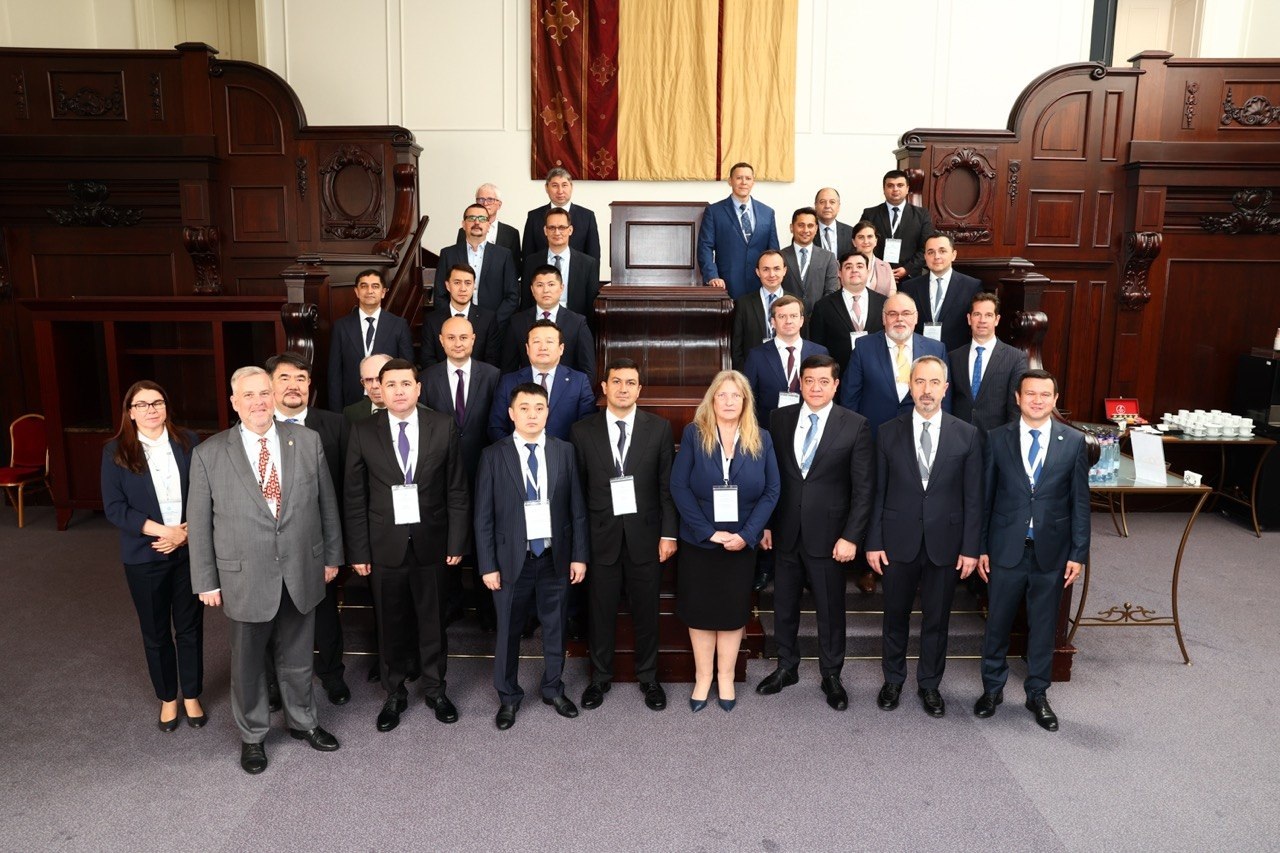
A notable development in this context was the First Meeting of Heads of Tax Authorities of the Organisation of Turkic States, held in Budapest on 15 June 2026. The meeting marked the establishment of a specialised platform dedicated to fiscal modernisation and administrative cooperation among member states.
The significance of this gathering extends beyond conventional tax administration issues. Modern tax systems increasingly rely on digital technologies, big data analytics, artificial intelligence, automated compliance mechanisms, and real-time information exchange. Consequently, tax authorities have become critical actors in national digital transformation agendas.
Discussions in Budapest reflected a broader recognition that effective taxation in the digital economy requires new institutional capabilities. Participants exchanged experiences on digital tax administration, electronic services, AI-assisted auditing systems, risk management technologies, and modernisation strategies to improve efficiency and transparency.
Particularly noteworthy was Hungary's presentation of its experience in integrating artificial intelligence into tax administration processes. As an observer state within the OTS and a member of the European Union, Hungary occupies a unique position, serving as a bridge between European digital governance practices and emerging Turkic integration initiatives.
This creates opportunities to transfer regulatory knowledge, technological expertise, and best practices in digital public administration.
The Budapest meeting should therefore be viewed not merely as an administrative event but as an institutional step toward harmonising digital governance standards within the Turkic world.
Artificial Intelligence and the future of economic governance
Artificial intelligence has become one of the defining technologies of the twenty-first century. Governments increasingly deploy AI tools to improve public administration, optimise resource allocation, combat fraud, enhance regulatory oversight, and strengthen decision-making processes.
For OTS member states, AI adoption offers opportunities to overcome structural constraints and accelerate economic modernisation. Applications range from smart customs systems and predictive tax analytics to digital identity solutions, automated public services, and intelligent logistics management.
Several member states have already incorporated AI-related objectives into their national development strategies. Turkey’s growing technology sector, Azerbaijan's digital government initiatives,
Kazakhstan's innovation ecosystem, Uzbekistan's digital reform agenda, and Kyrgyzstan's ongoing modernisation efforts collectively indicate that the Turkic region is positioning itself to participate more actively in the emerging AI-driven global economy.
However, the successful deployment of artificial intelligence requires more than technological investment. It necessitates regulatory coordination, data governance standards, cybersecurity frameworks, digital skills development, and institutional adaptation.
This is where multilateral platforms such as the OTS can play a crucial role by facilitating policy coordination and knowledge sharing among member states.
Towards a common Turkic digital economic space
The long-term strategic significance of ongoing initiatives lies in their potential to create a common digital economic space across the Turkic geography. Such a framework would not necessarily imply supranational governance structures but rather the gradual harmonisation of standards, regulations, and technological infrastructure.
Such an integrated region could facilitate:
These developments would strengthen economic resilience while increasing the international competitiveness of OTS member states. In an era characterised by technological rivalry and the fragmentation of global supply chains, regional digital cooperation offers a pragmatic pathway to sustainable growth and strategic autonomy.
The recent initiatives undertaken within the Organisation of Turkic States indicate that the organisation is entering a new phase of institutional and economic development. The Digital Economy Agreement and the Budapest meeting of tax authorities demonstrate a growing commitment to technological modernisation, digital governance, and policy coordination.
Rather than viewing digital transformation as a purely technological phenomenon, OTS member states increasingly recognise it as a strategic instrument for economic integration, administrative efficiency, and long-term competitiveness. The incorporation of artificial intelligence, digital taxation mechanisms, and innovation-driven policies into the organisation's agenda reflects a broader ambition to position the Turkic world as an influential actor in the emerging global digital order.
While significant challenges remain-including regulatory harmonisation, infrastructure disparities, and technological capacity gaps-the direction of travel is increasingly clear: the future of Turkic cooperation will be shaped not only by geography, culture, and history, but also by data, algorithms, innovation, and digital connectivity.
In this context, the development of a common digital economic ecosystem may become one of the most consequential dimensions of Turkic integration in the coming decades.
By advancing digital integration, the Turkic World – home to more than 180 million people –has the potential to emerge as one of Eurasia’s leading economic and technological centres, transforming its geographic connectivity into a powerful digital advantage.
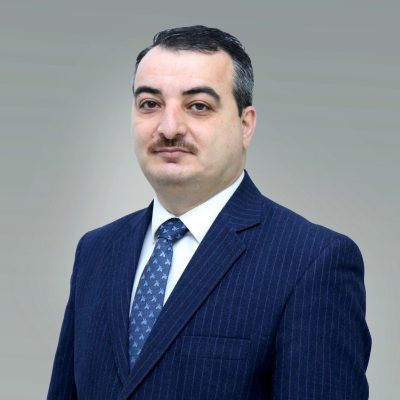
Dr Ilyas Huseynov holds a PhD in Political Science. He serves as Head of the Centre for Turkic World Studies (CTWS) at the Centre for Analysis of Economic Reforms and Communication (CAERC). His research interests include the Organisation of Turkic States, regional integration and economic cooperation, economic diplomacy, digital transformation, transport and connectivity corridors, and emerging geopolitical trends in Eurasia.