A new swathe of revelations has been coming out concerning the CIA’s infamous brainwashing programme, MKULTRA, with possible connections to contemporary assassinations apparently carried out by the likes of Thomas Crooks and Tyler Robinson. Now, algorithms and internet monitoring are the new technological tools of choice for identifying and controlling the said Manchurian candidate. Well, electronics began to make its way into conspiracy thrillers in the 1990s, along with growing awareness of false-flag operations. Hence, this rather mediocre conspiracy caper, The November Conspiracy (1995). And you know what? I think it’s better than it knows it is!
By Emad Aysha
The movie is a string of unattached attachments – events that have no connection or aren’t given one – starring everyone from George Segal to Elliot Gould to Dirk Benedict. The story begins with a bang, with an ambassador being assassinated, followed by a failed attempt on the life of a Senator running for president, followed by one of the good guys killing a foreign dignitary, etc.
Like I said, a disconnected mess. But, with all that, it’s quite entertaining, especially since the hero of the piece is a girl – the very competent and even more sexy Paige Turco playing an investigative journalist. She’s trying to piece together the pieces while keeping herself alive at the same time.
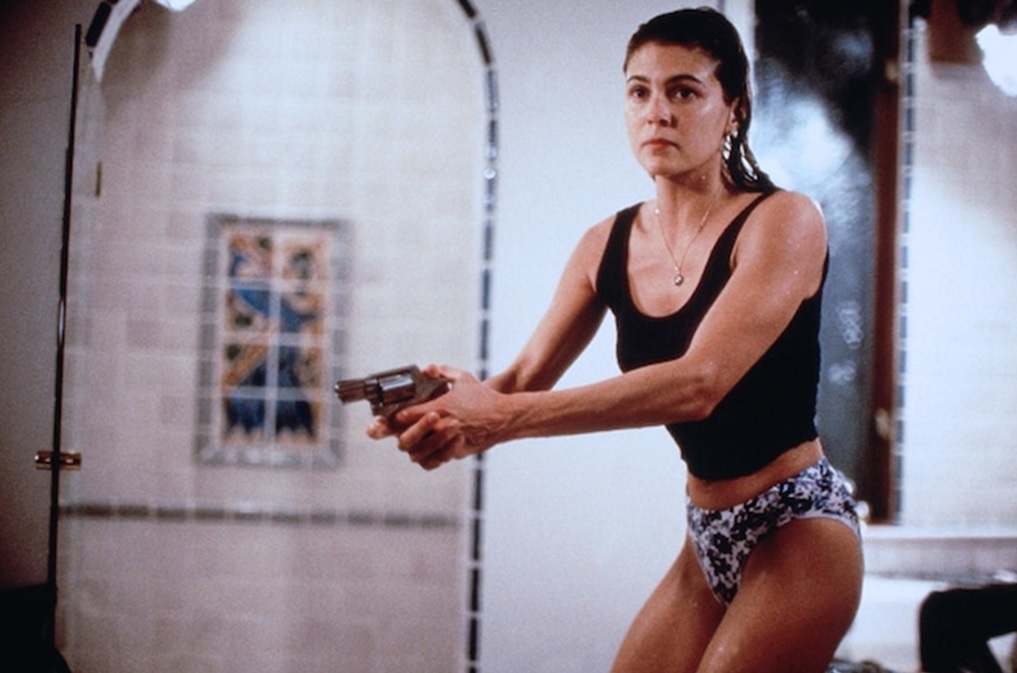
PROPHETIC FARCE: Paige Turco as Jennifer Barron in 'The November Conspiracy' (1995), a movie with too many bogeys from the past but just about enough advice for the future.
Her boyfriend is none other than Dirk Benedict, more commonly known as ‘Face’ from the original A-Team series. (Paige Turco herself was in the second Teenage Mutant Ninja Turtles movie). He’s supposed to be a computer security specialist, but in reality he used to work for some secret government agency and, wouldn’t you know it, he doesn’t want to commit to having a child with his sweetheart.
Protectors of the nation not having enough time to settle down – he keeps missing dates with his girlfriend – or not seeing themselves as good role models. That’s the first serious thematic hint.
Then one of his associates in the shadowy government organisation warns him that a plot is afoot and gets eliminated herself. Then he gets killed too, after killing the foreign dignitary. (I know, these plots and counter-plots leave your head spinning!)
By the end, you discover, predictably, that the senator is behind it all, only for him to be betrayed (even more predictably) by his running mate – that's Segal and Gould respectively, if you haven’t figured it out. Then the real surprise comes, since it turns out the girl is another former employee of the same agency!
This ‘should’ be a let-down, and it is, but it underlies the theme of the movie, which is that the powers that be are really the ones operating behind the scenes, and they always come out on top – whoever wins the election, and by whatever means.
November is an explicit reference to the Kennedy assassination; they tell you that in the movie, along with other not-so-subtle hints – a CD with ‘JFK’ on it, a bronze bust of his head, etc. And he was a champion of the people, just like this Senator claims to be, and the Secret Service are in on this plot too.
You also feel the failed assassination attempt on the Senator was staged to win him mass support. As for Elliot Gould, I sussed him out straight away on account of his long history with conspiracy flicks.
This goes from neo-noir films like The Long Goodbye (1973) to science capers like Capricorn One (1978), playing a bumbling chimaera who nonetheless turns out to be smarter than he looks.
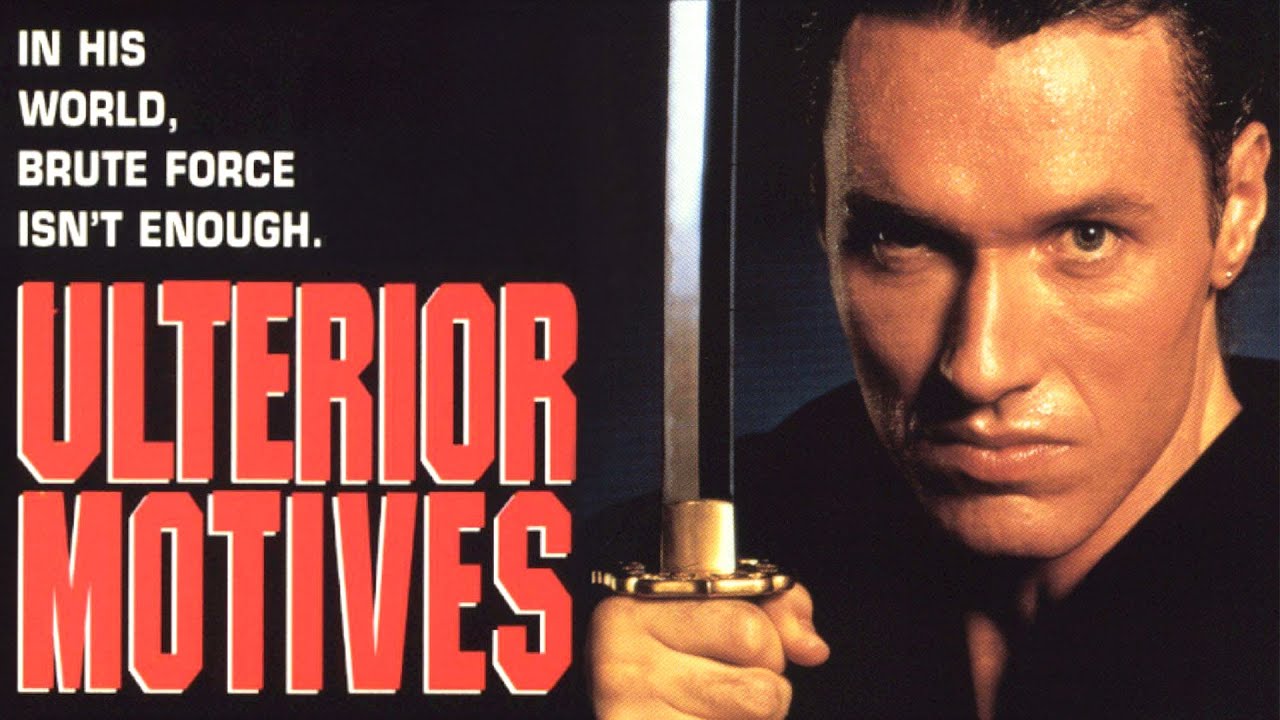
Now for a good feature from that bygone era, Ulterior Motives (1992), starring the beefy but sensitive Thomas Ian Griffith and the elegantly lovely Mary Page Keller as investigative journalist Erica.
Erica is exposing a Japanese American businessman who has sold military secrets, and she hires a Japanese-speaking PI, Jack Blaylock, to help her. The businessman eventually kills himself, in Japanese style, over the shame and dishonour, and everything seems settled.
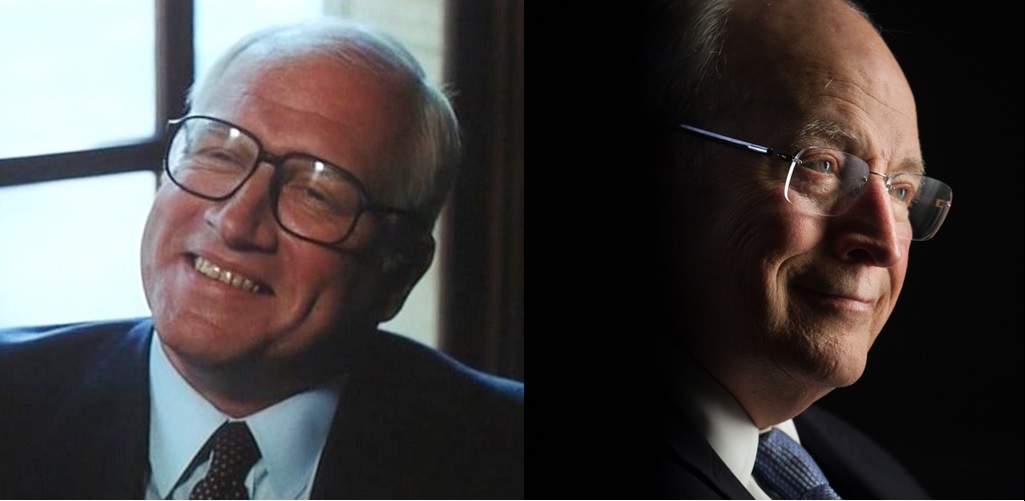
INTERIOR IMAGES: Ken Howard [left] as the post-Cold War PR guru in 'Ulterior Motives' (1992) and Dick Cheney (RIP) in real life. The horse before the cart, anyone?
Then it turns out Erica was being played all along. The man was a plant, using the name of a real businessman who was completely innocent. And her PI hire was part of the plot. The mastermind behind all this turns out to be an old family friend of hers, a guy she considers like an uncle, a shady PR guy played to pristine perfection by Ken Howard.
Guess who’s next on the elimination list? After Jack does the dastardly deed, using a samurai sword to implicate the Japanese horrendously further, he’s to get sacrificed himself. This is the penultimate scene, since the reason they were framing the Japanese was the economic war with the US.
A threat to its industrial ascendancy. (So much for free trade.) The ‘cultural’ way he kills Erica is meant to make gullible, isolationist Americans hate this species of people. And then he gets framed the same way, since he grew up in Japan himself!
Fortunately, he had taken a liking to Erica, faked her death and helped her expose the bad guy. And the bad guy uncle, amazingly enough, is almost a clone of Dick Cheney. They changed his complexion to fit him and even thinned his hair.
Sadly, there’s no happy ending for the two of them, which is a real shame since they’re so relaxed around each other. They’re like water and oil, him tall and rough and secretive, her cultured and sweet and an open book. But they fit like chalk and cheese.
The two actors are married in real life, but this underlies the family breakdown discernible in November Conspiracy. Remember that Dirk Benedict didn’t want kids. The closing scene of that movie has the heroine left with nothing but her cat for company.
The cat itself belonged to a lady friend of the heroine, a foreign artist, who also lives alone and is trying to fit into American society and the posh beachside neighbourhood she lives in.
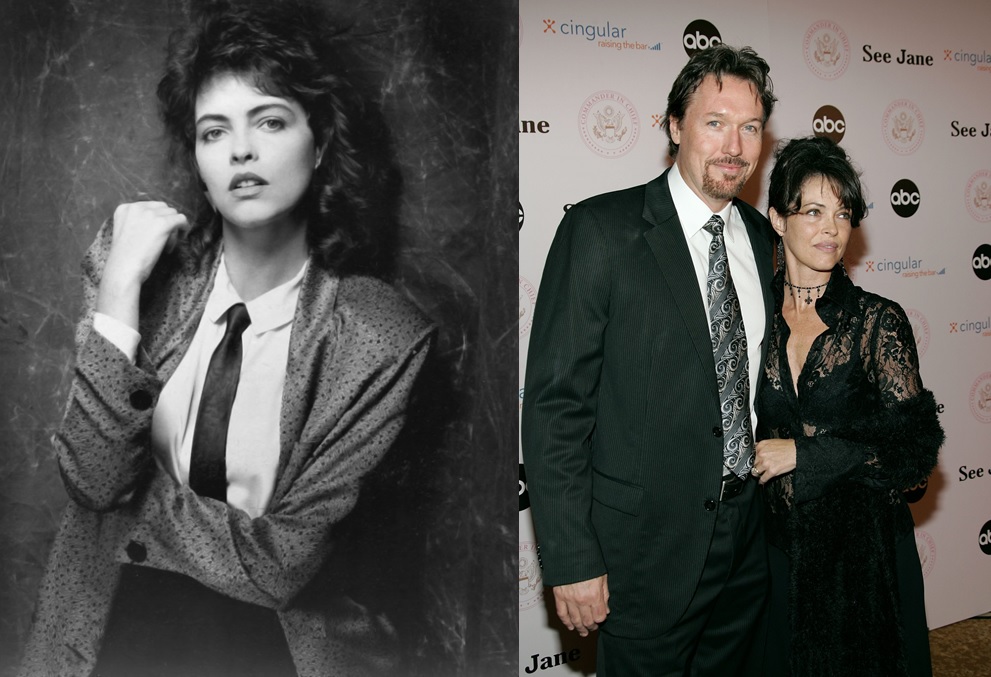
CAT IN THE BAG: Mary Page Keller [left] now with costar, and husband, Thomas Ian Griffith [right]. If you take adversarial politics out of the picture, people 'learn' to get along!
What is it with beachside property and American shadow politics? The intro sequence has Paige Turco training in martial arts on the beach, and she’s a classy and husky girl herself. (Dirk Benedict is a jerk here if you ask me!)
It’s thanks to the family taking a backseat that people like Cheney can run things – even from the grave. Why else did they kill such a symbol of family life in Charlie Kirk?!