From some storms ships pass away, and from some storms it ended up damaging the ship and stranding the crew and the captain. The recent Cockroach Janata Party (CJP) protests in New Delhi at Jantar Mantar have shaken the 14-year-rule of the Bharatiya Janata Party (BJP), which has turned away from democratic tendencies.
By Ahsan Ali
The protests triggered by the medical examination paper leak structurally challenged the state authoritarianism that has intensified under the BJP rule. The mobilisation of youth highlighted growing concerns over institutional accountability, governance failure, and the need for reforms.
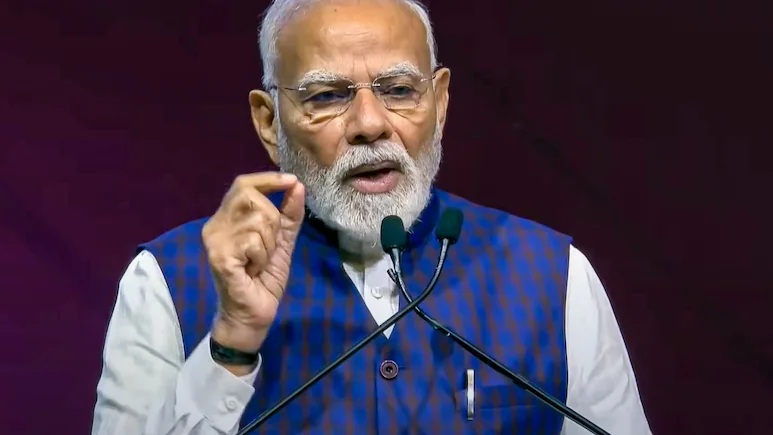
Since the arrival of Prime Minister Narendra Modi in 2014, India's political institutions, social fabric, and national identity have significantly transformed into a populist authoritarian state. The state that once attempted to balance its corruption scandals with a strong judiciary and accountability has gradually shifted to judicial weakness and a lack of institutional reforms.
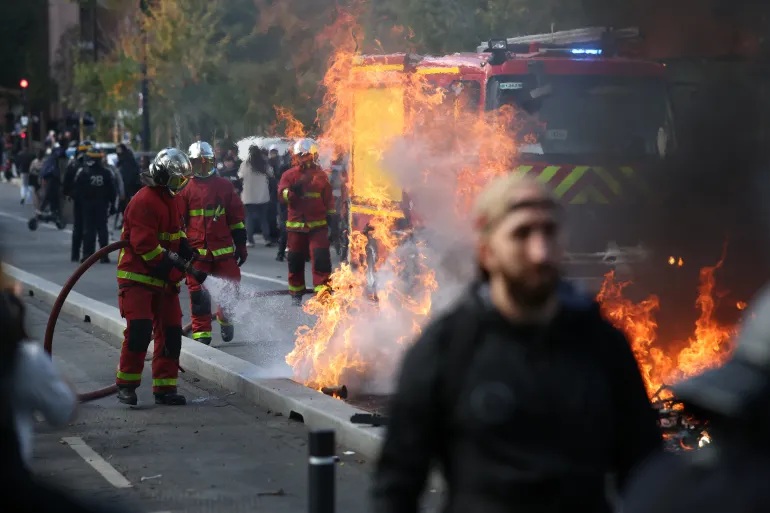
The Jantar Mantar protests culminated in the first ministerial resignation, by Education Minister Dharmendra Pradhan, from the PM Modi cabinet after police failed to quell youth mobilisation. The attempt to quell the protests increased dissent against PM Modi’s government and led to a decline in support for PM Modi.
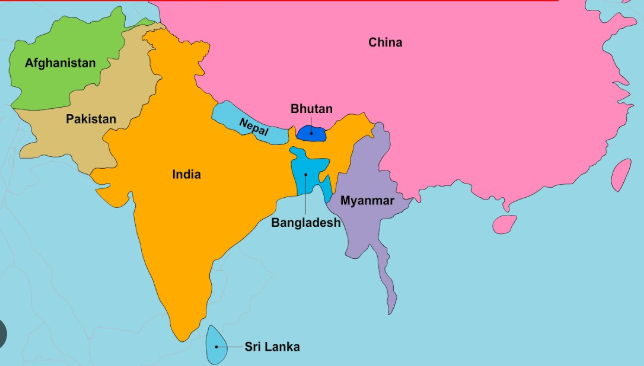
The 2026 Jantar Mantar protests not only challenged PM Modi’s government, but they also changed the political trajectory by balancing between state authority, civil society, and opposition groups. The resilience of youth groups energised civic mobilisation, increased scrutiny on institutions, and renewed opposition unity.
The protests highlighted the political costs of governance failures stemming from institutional shortcomings and a lack of checks and balances. The sustained youth mobilisation challenged increasingly centralised political power.
Where the primary role of police is to maintain law and order, the excessive use of force against the students proved politically counterproductive. Rather than restoring public confidence and trust, it reinforced the government’s increasing dependency on intimidating measures to suppress legitimate dissent. It further intensified criticism of democratic backsliding and institutional failure under PM Modi’s administration.
The protests concluded with PM Modi’s pledge on reforms, judicial accountability, withdrawal of police charges against youth protestors, and restoring public trust. But the allegations of subsequent arrests have cast doubt among protesters and raised the prospects of renewed public mobilisation.
These protests revitalised democratic political mobilisation in India, reasserting the importance of democracy, institutional accountability, and constitutional values. In doing so, they challenged the BJP’s political trajectory, which has increasingly moved away from a secular and constitutional framework.
The BJP government increasingly relied on Hindu-nationalist ideologues and the politics of “Hindutva” as a central component of political strategy despite Indian secularism. This approach once successfully contributed to the party’s electoral dominance.
It sidelined the Indian National Congress and other political parties, but the last elections and protests proved that identity politics and religion are not sufficient to sustain electoral politics.
The Jantar Mantar protests further exposed biased media in India that faced criticism for political pressure, sensational information flow, and declining editorial autonomy under BJP rule. The mainstream media downplayed the protests and later shifted to a “foreign plot” narrative. This highlights the narrowing down of space for independent journalism and critical reporting.
The 2024 elections in India altered the balance of political power by denying the BJP an outright majority. The elections ended the party’s decade-long parliamentary majority role and weakened the perception of electoral invincibility. Instead, governance performance and reforms, institutional accountability, and public responsiveness re-emerged as determinants of political legitimacy.
The current developments highlight how the political arena has shifted significantly, and any coercive response by the government against CJP protesters could prove politically counterproductive. Youth demands for institutional accountability, greater scrutiny of judicial independence, and the rule of law have already resurfaced.
The recent protests set a strong precedent for the state of democracy, demonstrating sustained dissent can have high political costs. While Prime Minister Modi is unlikely to face the fate of the ousted former Sri Lankan Rajapaksa family or Bangladesh’s Sheikh Hasina, if it does not ensure smooth governance and reforms, or if there are renewed arrests of protesters, then it can trigger mass protests against the government.