Some wars are limited; others are not. Some wars lead to a status quo in which the state and army are entrapped forever. The Yemen battleground is one of the Middle East's most contentious, where the conflict never really stopped. In October alone, the Iran-aligned Houthi rebels launched a wave of drone and ballistic missile attacks against critical infrastructure inside Saudi Arabia, a serious escalation. What does this mean for Pakistan and Turkey, who signed the Mecca Defence Joint Agreement with Riyadh in July?
By Ahsan Ali
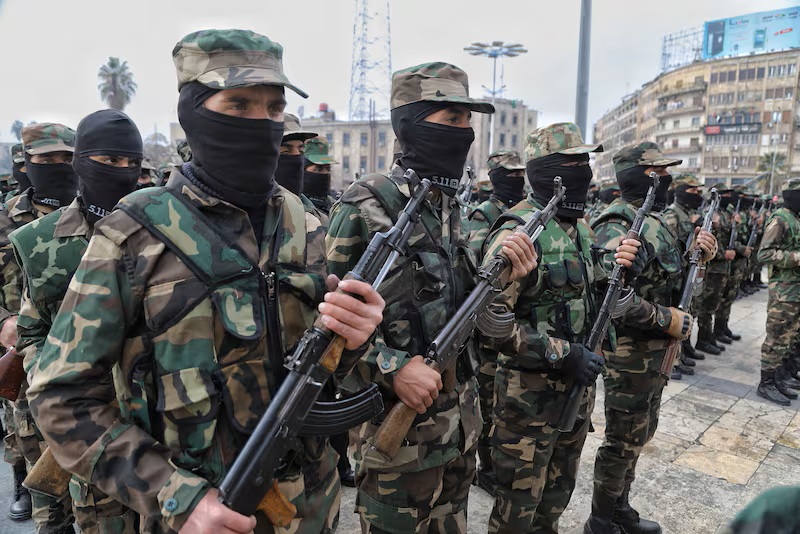
Saudi Arabia has been a central actor in Yemeni politics since 2015, when it led the military coalition in support of the internationally recognised government and against the Houthis along the southern border. Meanwhile, Iran has been intensively supporting the Houthis through training, weapons, intelligence, and logistical support, enabling the Houthi movement to advance and threaten Saudi territory and regional maritime security.
Amidst the confrontation between the US and Iran, in July the situation between the Houthis and the internationally recognised government in Aden escalated significantly. With heightened escalation and an increasing number of attacks in Saudi Arabia, the informal truce of 2022 between Saudi Arabia and the Houthis was broken, changing the scenario dramatically.
Iranian strikes on the American bases and critical infrastructure of the GCC states during the US-Iran war exposed the limits of the US guarantees, laying the groundwork for diversifying defence partnerships.
Mecca Agreement
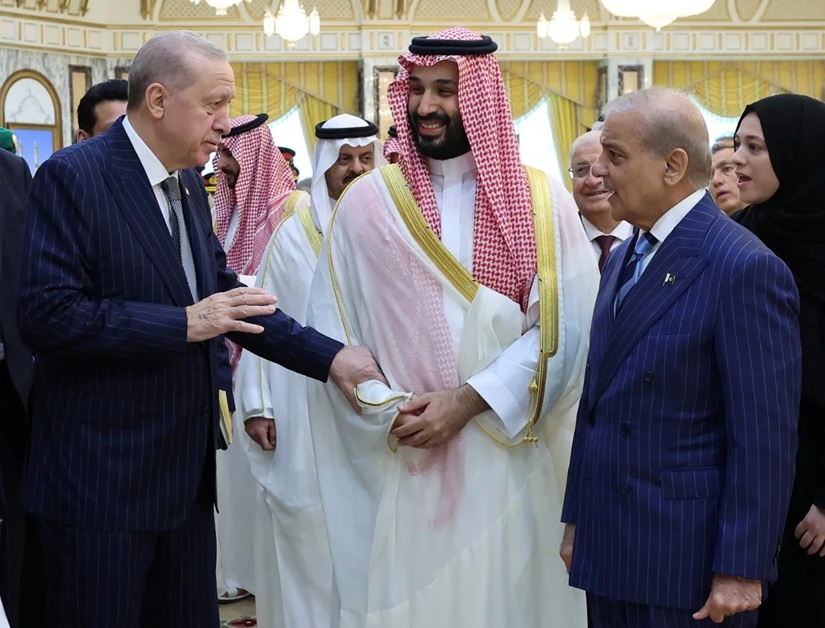
Houthi escalation in July 2026 and subsequent developments framed the Mecca Defence Joint Agreement on 7th August between Saudis, Turkey, and Pakistan, with a NATO-like Article 5. The alliance drew international applause, and President Trump and regional allies expressed interest in joining the pact, but regional allies focused on the agreement's effectiveness.
The alliance was expected to create deterrence in the region against the Houthis, who were attacking Saudi infrastructure and civilians. Turkey and Pakistan's joint forces still had to deliver on permanently deterring the Houthis on the ground and in the air.
The mobilisation of Houthis comes at a critical moment, especially when the region is reeling from Iran and US escalation, with the Middle East states deeply impacted by previous Iranian attacks. The Strait of Hormuz chokepoint is already proving to be a calculated manoeuvre by Iran against the US, significantly disrupting global oil trade.
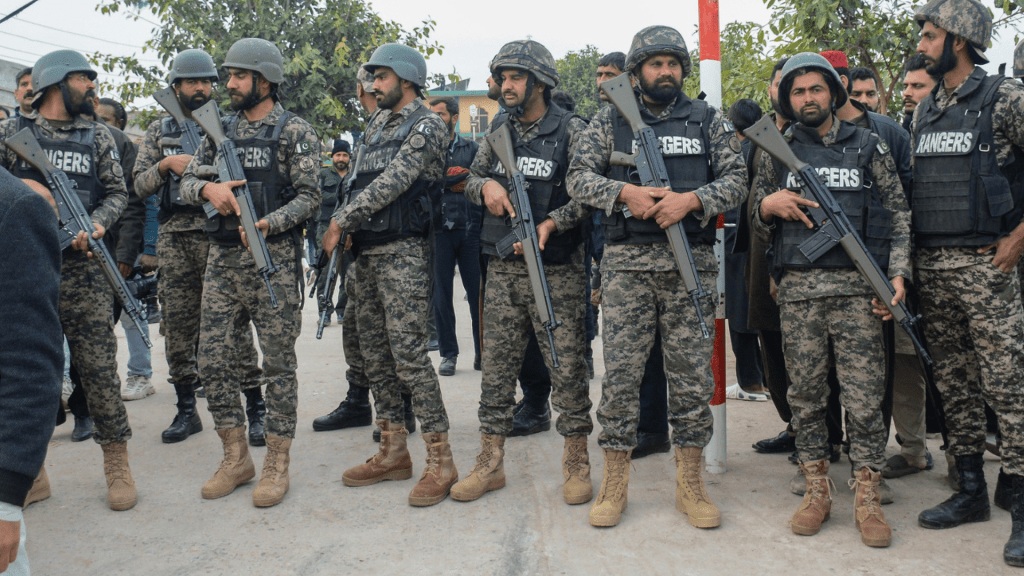
Under the Agreement, Turkey categorically rejected its role in Saudi Arabia against the Houthis, while Pakistan has confirmed its deployment in Saudi Arabia. While the military deployment creates a restrained impression against the Houthis, it also leads to direct escalation between Iran and Pakistan, as Iran is the main ally of the Yemeni Houthis.
Politically, Pakistan facilitated Islamabad and Geneva talks between the US and Iran; the agreement and deployment undermine Pakistan’s credibility as a neutral mediator. Troop deployment puts Pakistan’s own political alignment and posture in the regional escalation into question, potentially creating diplomatic frictions with Iran.
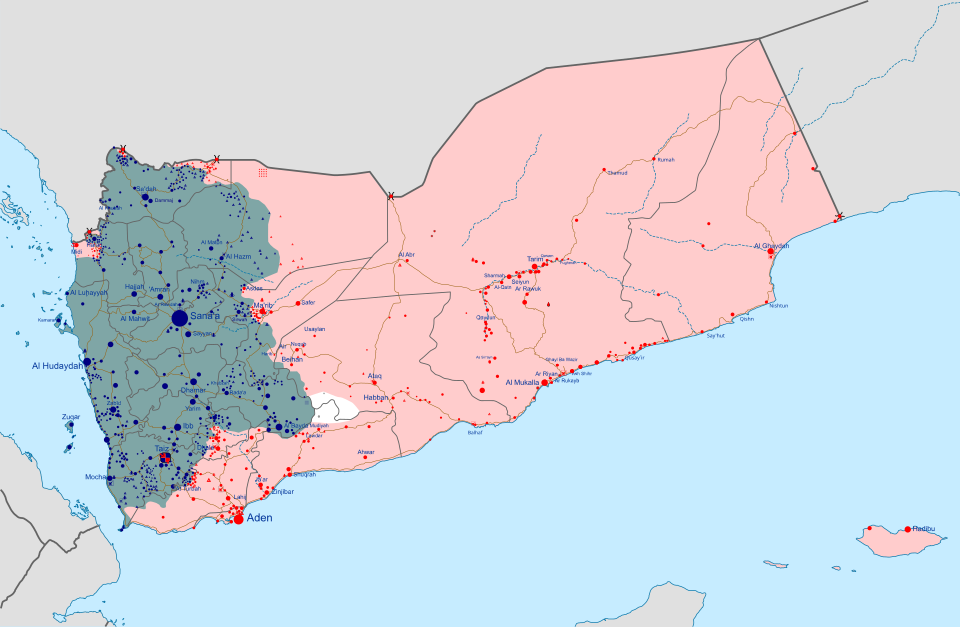
International recognised Presidential Leadership Council (PLC), in salmon, Supreme Political Council (SPC) blue. Al-Qaeda in the Arabian Peninsula (AQAP) white.
Pakistan’s military might has been observed against Afghanistan, India, and in its own military enhancement, but they are seemingly unaware of the perils of Yemen. Yemen has historically been a quagmire in the Middle East, where Saudi Arabia, with the intelligence and logistical support of the US, cannot sustain its government by waging war for seven years.
Any direct engagement between Pakistan and the Yemeni Houthis will only push Pakistan to get involved deeply. The military calculus can have a significant effect, as Pakistan is unable to cope with its own internal security threats from Baloch separatists, the Tehreek-e-Taliban Pakistan (TTP), and other Islamist militants, and the indirect Indian threat.
Any direct Pakistan military operation against the Yemeni Houthis will raise the military stakes for Islamabad, potentially transforming deterrence into prolonged confrontation and asymmetric warfare. The Houthis’ advancement in missile and drone capabilities, battlefield experience, and ability to sustain operations could expose Pakistani forces to a complex battlefield.
Pakistan's military capabilities are outstanding, but it has no proven warfare experience in the Middle East, aside from a few operations and security deployments. The zero-sum strategy of the Houthis can change the calculus for one of the South Asian states if the Pakistani military actively participates in the warfare.
If Pakistan intervenes in support of Saudi Arabia, Islamabad could face a strategic dilemma, as security commitments could complicate relations with Tehran. Any confrontation with the Houthis could expose Pakistan to wider geopolitical interests, worsen relations with Iran and intensify internal tensions, as the people are against intervention.
Pakistan’s presence in the Middle East, driven by potential Saudi economic investment, could offer a short-term reprieve from the brewing financial crisis. Relying on security commitments can secure Saudi economic support but risks subordinating long-term strategic autonomy to immediate financial imperatives, especially if it leads to costly military confrontation.
In the evolving Middle East security architecture, Saudi Arabia is no longer solely reliant on the US as its security partner. Still, the political arena is no longer the 1990 Gulf Crisis. The rise of a multipolar world has significantly changed the dynamics, with Iran providing primary political, military, and logistical support.
The US endorsement of an alliance, with a tacit withdrawal from the eastern periphery of the GCC and a repositioning toward Israel and Jordan, can signal a recalibration of the US role in the Middle East. This shift put greater responsibility on Saudi Arabia and partners to manage emerging threats, with Pakistan potentially filling the regional security vacuum.
The Middle East security apparatus has shifted from a US-centered regional order to a fragmented system of competing partnerships and strategic hedging. Pakistan’s deeper involvement can strain relations with Iran, risk strategic entrapment in a conflict extended beyond the Arabian Peninsula, and have a high financial cost for Pakistan.