In bad times, in good times, and in all the times in between, there was a time when presence meant something. You showed up to a condolence visit even if your day was full, sat on a stiff couch while coffee cups kept refilling, nodded through stories you had already heard twice, and stayed just a little longer than you wanted to because leaving too early said something. You went to hospital visits where words felt useless, but being there still mattered.
In Lebanon, we call this “wejbet”. It’s often translated as “obligation,” but that doesn’t fully capture its meaning. Some see it as hypocrisy, showing up when you don’t feel like it. But to me, it’s something else: it’s choosing to give your time anyway, to be present for others, not just in moments of celebration, but in moments when comfort matters more.
I am a “wejbet” fanatic. I don’t care if my friends forget my birthday, but I cannot forget all the faces that showed up at my father’s funerals.
What we have now feels lighter, easier, almost too easy. A message sent between two meetings. A quick voice note: “Sorry for your loss, habibti, Allah yerhamo.” A heart emoji under a birthday post you didn’t have time to call for. You scroll, you react, you acknowledge. You don’t forget anyone anymore.
The girl you haven’t seen in ten years, the colleague you barely spoke to, the distant relative… You are present for all of them in the same way. And there is something sadly impressive about that. No one is left out. No one can say you didn’t show up.
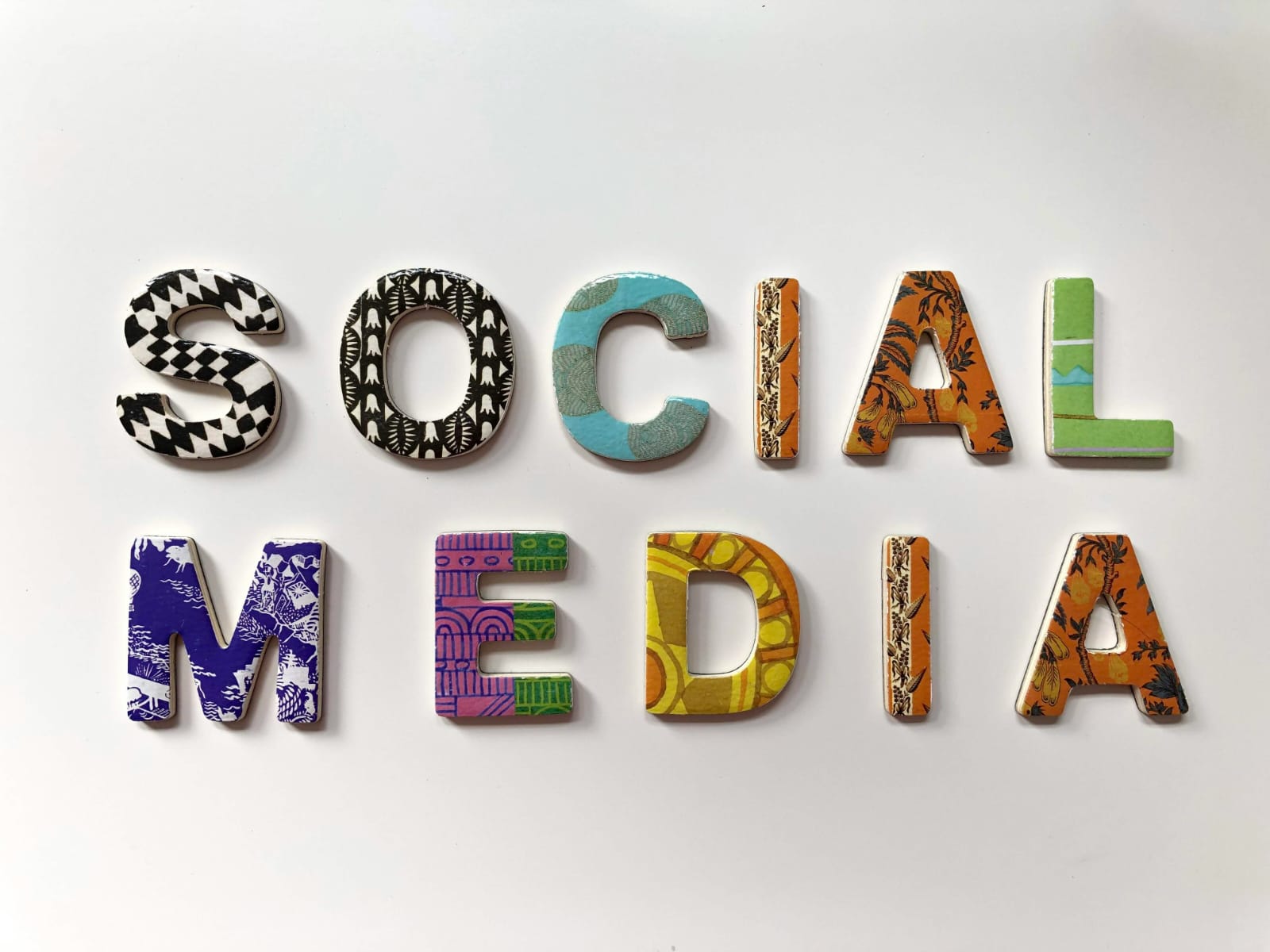
But social media has quietly reshaped “wejbet” into something else entirely. Into signals. Small, polished gestures that say, “I saw, I acknowledged, I did my part,” without asking for anything more. No traffic, no long visits, no sitting in silence when there’s nothing left to say.
The connection is gone. And with it, something else slipped away, too. The difference between people has flattened. The message you send your closest friend starts to look a lot like the one you send someone you’d rather avoid.
The tone stays warm, the emojis stay kind, the words stay correct. Everything is acknowledged, but very little lingers. You move on to the next story, the next post, the next moment that asks for just a second of your attention. Presence stopped feeling like something you give… and became something you perform.
What this leaves us with is a kind of neutral diplomacy in the way we exist with each other. We are careful, measured, and always appropriate. You run into someone you’ve been avoiding for months, and yet you’ve liked every one of their posts online. Someone hurts you, disappoints you, disappears on you and still, when they announce something, you’re there: “So happy for you!” with a string of hearts that say more than you actually feel.
Dislike doesn’t disappear; it just moves. It goes into private conversations, into unsent messages, into that slight hesitation before you double-tap anyway. Publicly, we remain… good. Kind. Supportive. Always on the right side of things.
We become, in a way, everything to everyone.
And that’s where it starts to feel a little hollow. It brings to mind that line often linked to Aristotle: “a friend to all is a friend to none.” Not because we’re incapable of real connection, but because real connection was never meant to be this even, this smooth. It had edges, preferences. You showed up more for some people than others.
You chose who got your time, your energy, your presence. And those choices, although sometimes unfair, sometimes uncomfortable, were what made relationships feel real. Now, we’ve softened all of that. We have normalised staying present without fully committing, caring without taking sides, being there without ever being fully in it.
It’s not exactly lying. No, I can’t say it’s that dramatic; it’s closer to a kind of gentle, socially accepted performance—a way of moving through people’s lives without ever risking being misunderstood, disliked, or absent. The older version of things, with all its imperfections, forced you to reveal yourself.
You couldn’t be everywhere, and so your absence meant something. Your presence meant something. Now, when attention is endless and always available, those lines blur. Everyone gets a version of you, polite, safe. Honesty gets replaced by a softer, subtler kind of hypocrisy that no one really calls out anymore, because we’re all participating in it.