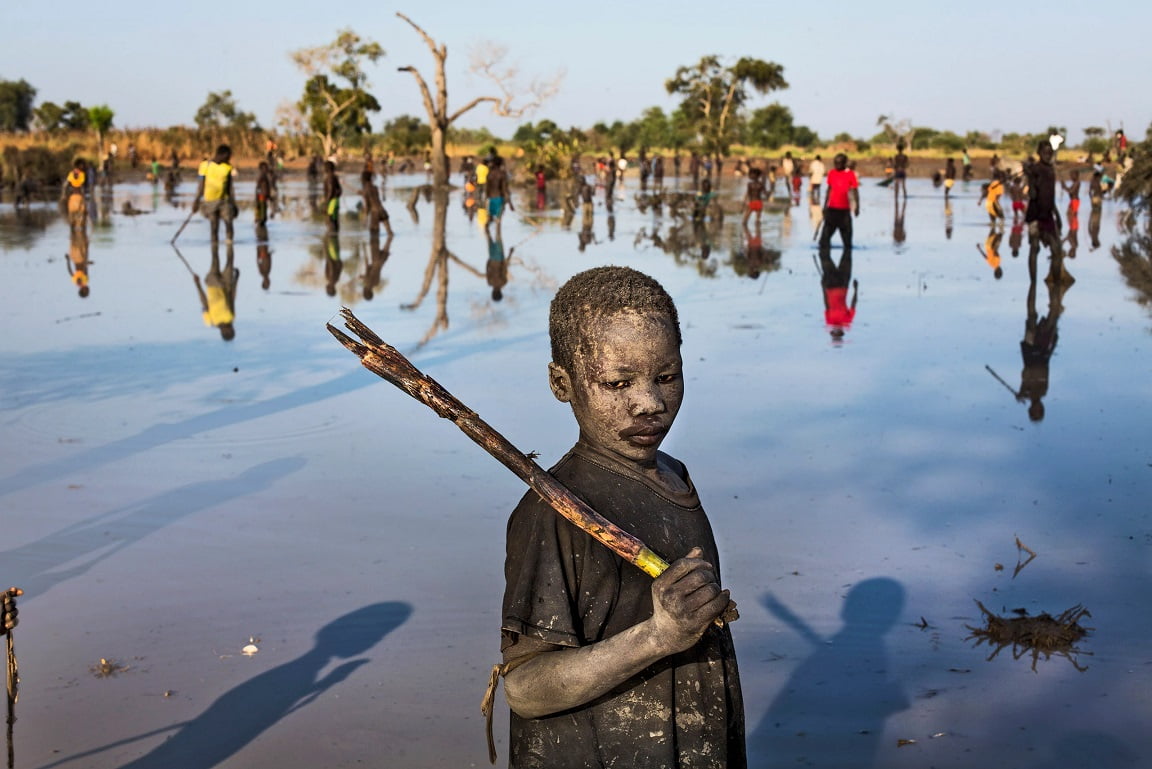
As the fighting continues and ravages densely populated areas in Sudan, civilians pay the highest cost of futile strife: a shameless battle between two competing generals for power and dominance.
Sudan broke out into civil in-fighting on April 15, as Khartoum was the first city to fall to a military power struggle that quickly spread across the country. The country’s military leadership engulfed the nation in uncontrollable escalating chaos.
The official governmental army and the paramilitary force known as the Rapid Support Forces (RSF) seemingly pretend to instil a temporary truce to help evacuate civilians. Since 2019 the country has been led by the military, General Abdel Fattah al-Burhan, following a coup where former president Omar al-Bashir was ousted.
The current political upheaval is throwing the region in disarray, with Sudan’s neighbours, South Sudan, Chad and Ethiopia, directly affected.
With a predominantly Muslim population, Sudan is located in northeast Africa. This bilingual country - English and Arabic - is one the poorest countries in the world, with 46 million people living on an average annual income of $750 (£606) per capita.
Being under military rule, Sudanese protesters have since been calling for civilian control – falling on deaf ears. The compromise was the establishment of a military-civilian government led by al-Burhan. That’s when the country officially moved from a political impasse into a military draw.
The dire economic and living conditions did not stop the military leadership from going all-in and paying the highest human cost. This manifestation of ground control has been gearing for a while now. After years of uncertainty and political stalemate, the country has struggled with which political direction to take and how to install civilian rule.
Al-Burhan and his second in command, General Mohamed Hamdan Dagalo, known as Hemedti, the head of the RSF, could not agree on a political formula nor a military one that would see the RSF integrated into the official military.
Talks of democracy, civilian rule, and radical Islamism made the headlines, with al-Burhan wanting only to hand over power to an elected government. At the same time, Hemedti accused him of Islamic rule, calling for democracy.
Creating more noise and chaos in the country.
Entrenched in public statements and tweets going back and forth on who’s more righteous in leading this madness, the rhetoric of war and blame continues.
The RSF, created in 2013, is considered a notorious paramilitary force accused of ethnic cleansing in Darfur in the 2000s, with a ruthless record of military meddling in Yemen and Libya.
A lot of conflicting reports surfaced, but one fact remains obvious. At best, this is a military power struggle, with economic and business interests intertwining. Hemedti increasingly controlled gold mines in Sudan and, becoming al-Burhan’s match, was no longer his second in command.
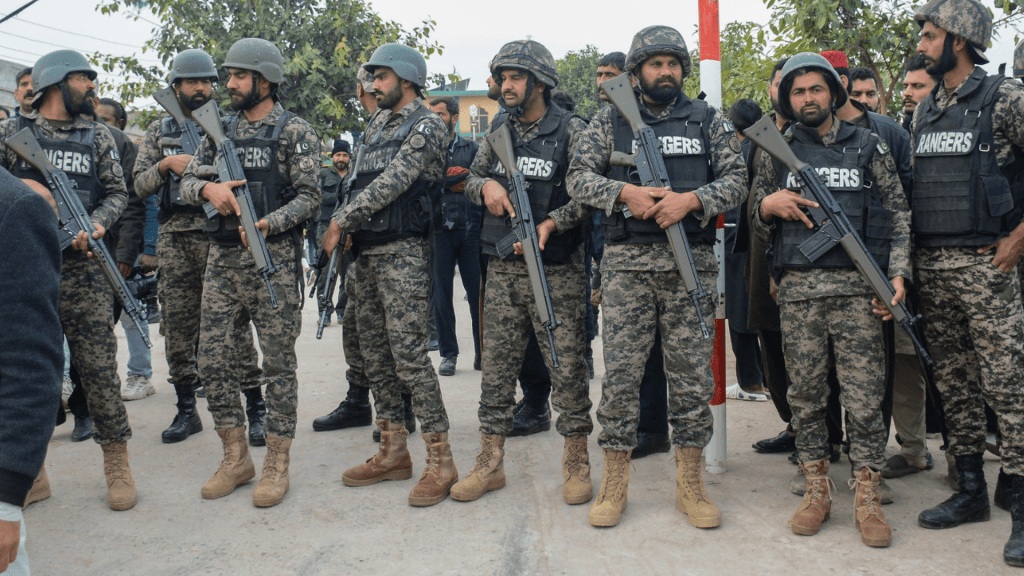
The only way to gain power and control further was by taking the fight to the streets, the most densely populated areas, with a more significant effect and dramatic impact. Civilians got caught in the line of fire due to the dangerous choice of military strategies.
The result highlights how no military leadership can put people’s interests at the forefront of the battle, making them the wrong choice for any run-offs for a political leadership position. As an apparent response to the humanitarian crisis ensuing from this fighting, international organisations, embassies, and neighbouring states all rallied to help with the evacuation.
Unable to organise anything amidst the chaos, the European Union, the UK and the United States have called for a ceasefire. Regional players, including Saudi Arabia and the United Arab Emirates, also called for both military forces to stand down.
Getting foreign citizens out of the country is good, but what about the locals? Who will be helping them? A zero-sum game of a senseless war being fought in the name of the people and their right to rule is an actual death sentence to many who can’t afford to flee their homes with no means to ensure their safety and necessities.
Diplomatic rifts ensued due to poor coordination among the big foreign powers who messed up evacuation missions and got locked into a political embroilment asking their citizens to make a treacherous journey to port Sudan where they may or may not find a haven.
As the coverage of this escalating situation keeps making the headlines, the people’s suffering is increasing at an unprecedented speed, with an imminent threat hanging over their lives. Despite the official announcement of a ceasefire, history proves that these hardly last and are ever so respected.
The UN secretary general, António Guterres, convened an urgent session of the security council in New York, calling to stop the violence, saying that it “risks a catastrophic conflagration … that could engulf the whole region and beyond […] We must all do everything within our power to pull Sudan back from the edge of the abyss.”
The latest estimated record is a death toll of more than 420 people, including 264 civilians. More than 3,700 people have been wounded, and the numbers are doomed to increase. According to the reports and local NGOs, the numbers might be even higher.
As the outlook seems dark for Sudan, both generals seem out of control in purging each other and wanting to establish full control. The truce has hardly been respected, and it is unlikely that al-Burhan and Hemedti will sit at the negotiating table anytime soon.
So far, both generals seem to be locked in a zero-sum game that’s bringing destruction and loss of lives to a population suffering for years, having been active and vocal about their desire for a civilian rule away from the aspirations of their military leadership.