Gratitude is beautiful when life is beautiful, when things arrive on time, when prayers are answered in the exact way we imagined, when the people we love stay close, when opportunities unfold without resistance, and when the future feels like something we can hold rather than something we are constantly chasing, because in those moments, thankfulness feels natural and easy, almost like breathing. Anyone can say thank you when the sun is shining and life is being gentle.
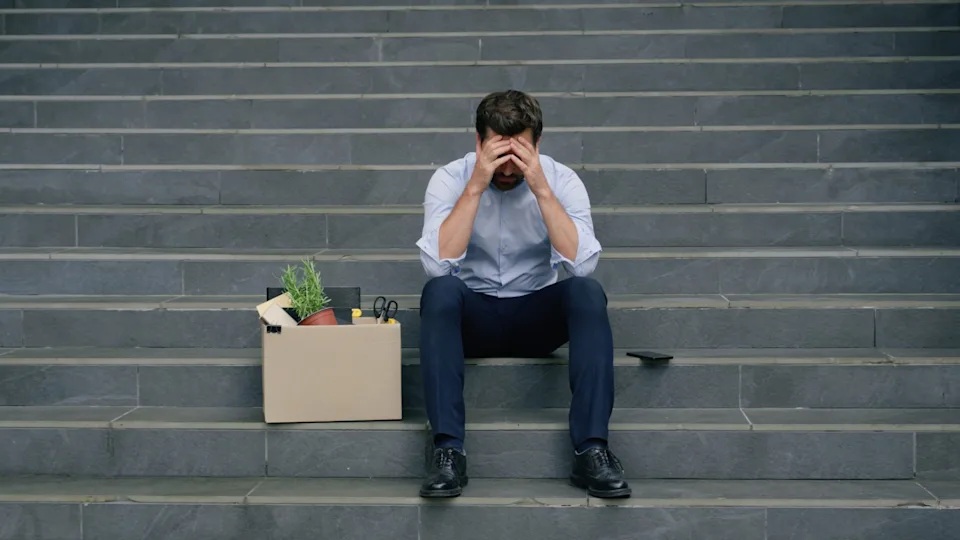
But gratitude becomes something entirely different when life decides to be difficult, when doors close without explanation, when the job you wanted disappears, when people disappoint you in ways you never expected, when your heart feels heavier than your words can explain, and when you find yourself standing in front of a reality you never would have chosen for yourself, because it is in those moments, not the easy ones, that gratitude stops being a pleasant emotion and becomes a real discipline, a conscious choice, and sometimes the only thing protecting you from becoming bitter.
Learning to say thank you in hard seasons
There have been seasons in my life when gratitude felt almost impossible, not because I did not understand its importance, but because pain has a way of making thankfulness feel distant, almost inappropriate, as though saying "thank you." In contrast, your world feels unstable, somehow minimising the weight of what you are carrying. I remember asking myself how anyone could feel grateful while sitting in uncertainty, facing rejection after rejection, trying their hardest and still being met with silence, watching plans fall apart, and wondering whether all the effort would ever lead anywhere.
When blessings are a loss
What I learned, slowly and not gracefully, is that gratitude was never meant to exist only in perfect moments, because if we only know how to be thankful when life behaves exactly the way we want it to, then what we are practising is not gratitude at all. However, convenience and real gratitude reveal themselves when we are still able to say thank you for the roof over our heads, for the friend who called at the right moment, for the strength to survive a day we thought would break us, and even for the lessons we would have preferred to learn another way.
Some of the greatest blessings in life arrive disguised as loss. Some of the most important turning points begin with disappointment, because the closed door you cried over may have been protection, the rejection you took personally may have been redirection, and the heartbreak you thought would destroy you may have been the very thing that taught you how deeply you deserve to be loved. Still, we rarely understand this while living in the pain, because clarity is almost always late, and perspective usually arrives long after the moment has passed.
What pain teaches us
Life has a strange and sometimes cruel way of teaching us through absence, through delays, through endings we did not ask for. Through silence that feels heavier than words, yet when we look back honestly, we often realise that the seasons we once tried hardest to escape were the very seasons that changed us most, because the job that did not work out pushed us toward the place we were actually meant to be, the relationship that ended forced us to stop accepting less than we deserved. The loneliness we feared introduced us to a version of ourselves we would have never discovered in comfort.
Pain has a way of removing illusion, and although no one willingly asks for suffering, hardship strips life down to its truth and forces us to see what matters, who matters, and how much strength we have been carrying without realising it. This is why gratitude during difficult seasons is not denial. It is certainly not pretending that pain is pleasant, but rather the decision to believe that even this moment, however heavy it feels, is still serving a purpose that may only make sense later.
Trusting what you can’t understand
There is something deeply powerful about being able to stand in the middle of uncertainty and say I do not understand this yet. Still, I trust there is something here I will one day be thankful for, because that kind of faith changes the way we move through life, shifting our attention away from what is missing and toward what remains, teaching us to stop measuring our worth by what has not happened yet and to start recognising how much has already carried us this far.
Human beings are naturally trained to notice what is wrong, because we remember criticism longer than kindness, disappointment louder than joy, and loss faster than blessing. We spend so much of our lives focusing on what we do not have that we forget to honour what is already quietly holding us together, whether that is health, family, peace, a second chance, a safe home, a body that keeps trying, or simply another ordinary morning we were privileged enough to wake up and live.
The tragedy of modern life is that we are constantly taught to believe happiness exists somewhere else, in the next promotion, the next relationship, the next city, the next version of ourselves that seems somehow more complete and more worthy than the person we are right now, and this endless pursuit creates the dangerous illusion that gratitude should be postponed until everything is finally fixed, until we are finally successful, until life finally looks impressive enough to deserve appreciation.
But life is happening now, not later, not after healing, not after success, not after you become everything you think you should be, but now, in the unfinished chapter, in the uncertainty, in the waiting, in the days that feel ordinary and invisible, because most of life is not lived in extraordinary milestones. Still, in quiet repetition, and if we do not learn how to find gratitude there, we risk spending our entire lives waiting for permission to feel fulfilled.
Stronger inner life
When your peace depends entirely on outcomes you cannot control, you become fragile, because happiness built only on external success can disappear overnight. When your sense of worth is tied only to achievements, approval, or perfect circumstances, disappointment becomes devastating rather than temporary. Still, gratitude creates something stronger, something internal, because it teaches you to be thankful simply for being alive, for having another chance to try, to love, to forgive, to begin again. That kind of appreciation builds a resilience that failure cannot easily destroy.
Life will still disappoint you, people will still leave, grief will still arrive uninvited, and plans will still collapse in ways you could never predict. Still, gratitude changes the way you carry those experiences, because instead of becoming hard, defensive, and permanently exhausted by disappointment, you begin to move with a quieter kind of strength, one rooted not in control but in perspective. There is a profound peace in realising that your joy does not have to wait for life to become perfect.
Perhaps the most beautiful thing about gratitude is that it never stays private, because grateful people carry something others can feel, a steadiness that makes rooms softer, a warmth that reminds people hope is still possible, and a kindness that survives even in a world that often rewards cynicism, and in that way, gratitude becomes more than a personal practice; it becomes a form of leadership. After all, choosing grace in difficult times quietly permits others to believe in grace too.
Grace
In a world where complaint has become a personality and cynicism is often mistaken for intelligence, choosing gratitude feels almost rebellious because it means refusing to let disappointment define your identity, refusing to let hardship turn you into someone colder than you were meant to be, and refusing to believe that pain should have the final word over your life. There is extraordinary courage in that decision, not loud courage that asks for recognition, but quiet courage that wakes up carrying disappointment and still whispers thank you.
Maybe that is what grace really is, not a perfect life without heartbreak, not a painless journey untouched by disappointment, but the ability to stand in the middle of an imperfect, unpredictable, often exhausting life and still choose softness over bitterness, faith over fear, and gratitude over resentment, because sometimes the strongest thing a person can do is look at everything that did not go as planned and still find the honesty and the courage to say thank you, even for this.