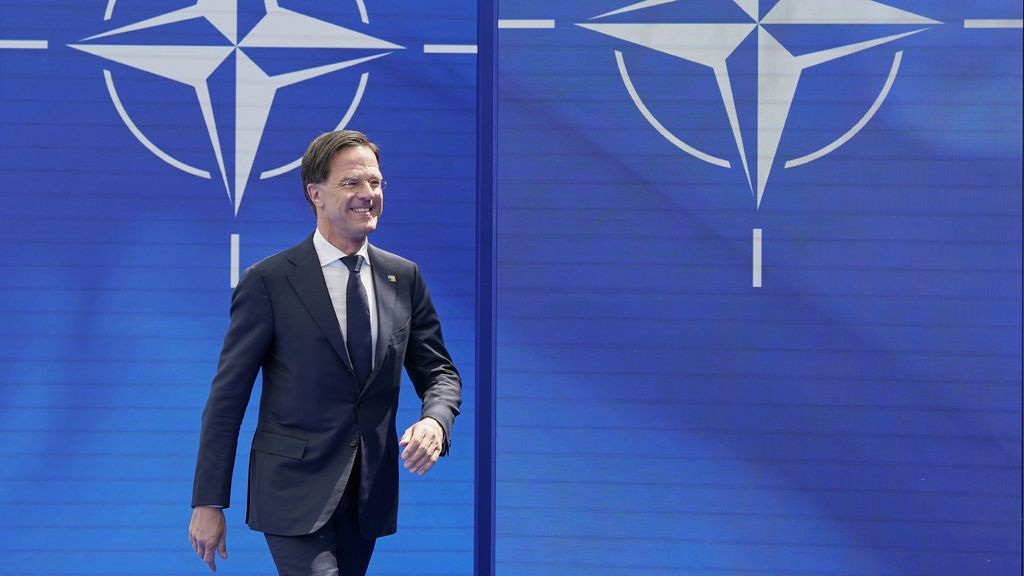
Welcome to The Hague, city of Peace, Justice… and the most expensive stage play in NATO history. It's a world where three hours of meetings between 32 heads of state cost €183.4 million. And no, that’s not a defence budget. That’s set design. Lighting, sound, security, lunch, logistics, and propaganda. A military opera, performed for the cameras, paid for by you. It's a staggering display of wastefulness that's hard to fathom.
By Max von Kreyfelt
A million per minute — not meeting expenses, but the hourly rate of existential delusion. For that money, you could have given every primary school in the Netherlands a new roof, boosted youth mental health care, or halved the number of food banks. But no: we prefer to invest in the collective ego of politicians who pretend to prevent war while actively fueling it.
It's a performance, a charade that leaves us all disillusioned.
And why wasn’t this parade of bomb-whisperers held at NATO’s hyper-secure headquarters in Brussels, right next to the airport? Because that wouldn’t be “inclusive” enough. Every member state must show how hospitably it submits to the logic of military uniformity.
So in The Hague, we’re building a semi-permanent stage extension next to the World Forum — as if the play only matters when an entire city is brought to a halt.
For the security of 8,000 invitees (because yes, you can’t prevent war without luxury buffets and ministerial shoulder pats), 27,000 police officers are deployed — half of the Dutch police force. Crime in Rotterdam? Please wait. Emergency in Groningen? Be patient. The commanders of civilisation are in town.
And then the climax: the mythical Article 5. As if an attack on one automatically triggers a symphonic response from all. In reality, it’s a political charade: only if all 32 countries agree, and feel like it, and their domestic polls allow it, will there be action. That action might even be a note saying, “Good luck, we’re thinking of you.”
What really happens in The Hague? The military market purchases political legitimacy. The NATO summit isn’t a policy instrument. It’s a ritual. A liturgical moment where the priests of the new world order affirm that war is not a tragic failure, but a necessary investment. Not in peace, but in control. Not in safety, but in obedience.
The summit is over, the streets have reopened, and the citizens are once again free to believe they are safe. Not because peace was secured, but because cameras rolled. Uniforms marched. And a million per minute was spent to uphold the illusion of protection.
Welcome to the parade of parasites. The convoy is gone, but the bill remains.

Wow, thanks for this exposé of the excesses of NATO's costly charade.